
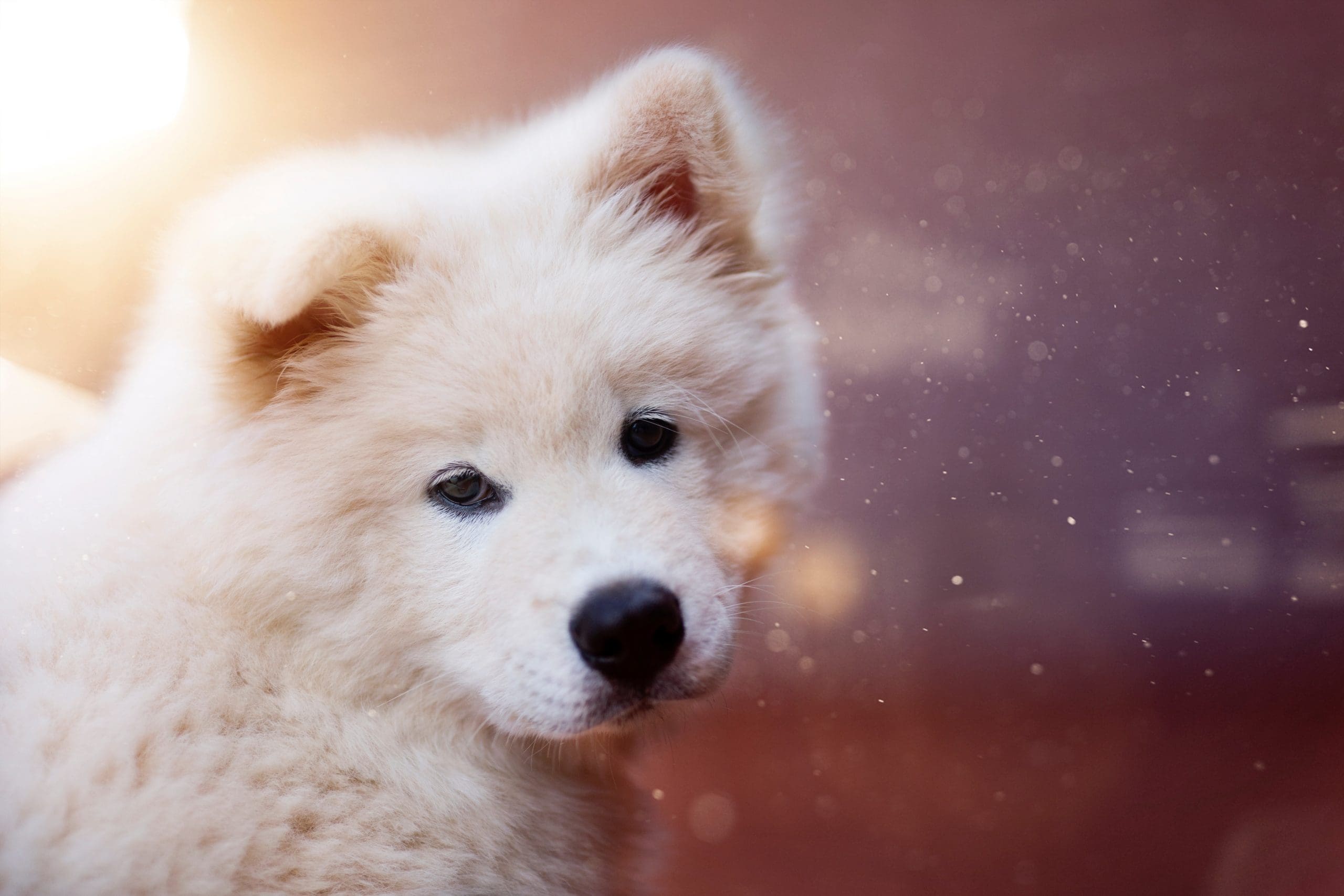
Why do dogs give you their paw without asking?
Post Date:
December 18, 2025
(Date Last Modified: February 5, 2026)
Dogs offering their paw without being asked is a small, frequent behavior that matters more than it looks. For anyone who lives with or cares for dogs it appears at doorways, during sofa cuddles, in the middle of training sessions and sometimes at the vet clinic. That single paw can be a greeting, a request, a learned trick, or a signal that something hurts. Reading it correctly can strengthen your bond, improve training outcomes and, importantly, catch paw-related injuries or anxiety earlier than you otherwise might.
What your dog’s paw really tells you—and why it matters
When a dog reaches a paw toward you it often happens in ordinary moments: when you come home, when you pause in a walk, or when you’re eating at the table. I typically see paw-offering in greeting and bonding contexts where dogs want interaction and reassurance. It also shows up in training when a dog has learned that a paw = reward or attention. Because paws are frequently exposed in these interactions, they become convenient opportunities to notice limping, swelling or continual licking that may suggest an underlying medical issue. For owners who want calm manners, knowing whether the dog is asking for attention, trying a trained behavior, or signaling discomfort changes how you respond.
- Everyday greetings and bonding: pawing as a social hello or attention request.
- Training and tricks: a reinforced behavior that becomes automatic with rewards.
- Health-check opportunities: touch that reveals pain, cuts, or inflammation.
- Distinguishing attention-seeking from medical causes to avoid reinforcing a problem.
The short version for busy dog owners
When a dog offers a paw without prompting it’s usually a learned communicative gesture: the dog has discovered that pawing can get rewards, attention, or comfort, though sometimes it may reflect anxiety or discomfort. Most commonly it’s motivated by the expectation of a treat or pet, an attempt to get your attention, a calming signal to reduce tension, or simply a habit from past reinforcement. You’ll see it most in close-contact moments, around food, and after routines that have previously led to reward. If it begins suddenly, becomes intense, or is paired with signs of pain, it’s worth checking more carefully.
Communication meets biology: instincts, hormones and body language
The mechanics behind paw-offering often trace back to basic learning: operant conditioning. When a dog pawed once and then got petting or a treat, that action was rewarded and is more likely to repeat. Over repeated cycles this simple association may become automatic, and the paw becomes an economical way for a dog to influence your behavior. Dogs are opportunistic social learners; a small movement that reliably changes a human’s response is likely to be reused.
Touch is social for dogs. Extending a paw can be affiliative—an invitation to interact that helps bond a dog to its people. In households I work with, this is especially clear when pawing happens during calm, relaxed interactions and is followed by stroking and quiet praise. In other circumstances the same movement may act as an appeasement signal: a dog may paw at a tense person or another dog to reduce perceived threat or to re-establish safety.
Paws are also sensory and motor tools. Dogs explore and manipulate their world with paws; putting a paw on you lets them feel your presence and test whether your attention is available. Repetition strengthens both the motor pattern and the expectation that the gesture will change outcomes—what trainers call motor reinforcement.
Circumstances that trigger pawing — and why each one looks different
Not every dog uses paws in the same way. Presence of high-value food or treats makes pawing much more likely because the immediate payoff is large. Dogs learn quickly that pawing can alter access to food or the timing of play. Household routines shape this too: if you consistently react when a dog paws—by feeding, opening a door, or starting a game—that pattern becomes a reliable trigger. Conversely, ignoring pawing in key moments can reduce it over time.
Stress, anxiety or changes in routine also increase pawing in many dogs. A dog that is unsettled by visitors, loud noises or a new schedule may paw more to solicit reassurance. Age and breed matter: puppies and more social breeds tend to use pawing to initiate interaction, while older dogs may show pawing only when they need help or are uncomfortable. A dog’s prior reinforcement history—how often pawing was rewarded versus ignored—strongly determines how persistent the behavior is.
When pawing is a warning: signs of pain, stress or behavioral problems
Most paw-offering is harmless, but certain patterns deserve attention. A sudden increase in frequency or force—especially when a dog pawed little before—may suggest pain or new stressors. Persistent licking, chewing at the paw, swelling, redness, heat or limping are common signs of injury, foreign bodies, allergic irritation or infection and should prompt examination. If the dog shows obvious pain when you touch the paw, pulls away, or vocalizes, that’s an immediate red flag.
There are also behavioral concerns. Pawing that becomes repetitive, ritualized, or occurs with other displacement behaviors like spinning or tail-chasing can be part of an obsessive-compulsive pattern often linked to stress. When pawing is paired with extreme attention-seeking that leads to household disruption—jumping, pushing, or resource guarding—it becomes a training and management issue rather than a simple trick.
Immediate steps to take when your dog paws at you
- Pause and observe context and body language: look for relaxed eyes and tail versus tense posture, panting, or avoidance. That tells you whether this is social seeking or potential distress.
- Perform a calm visual check of the paw: look between pads and toes for cuts, foreign material, swelling, or discoloration. If the dog tolerates it, feel gently for heat or tenderness but stop if the dog pulls away or cries.
- Respond appropriately: if the dog is asking for attention and you want to encourage calm manners, reward a calmer alternative (sit or lay down) rather than reinforcing frantic pawing. If you suspect pain, avoid encouraging further contact and schedule veterinary evaluation.
- If you see signs of acute injury—bleeding that won’t stop, exposed tissue, severe limping—call your veterinarian or an emergency clinic right away. For mild abrasions, a basic first-aid clean and temporary bandage may be appropriate until you can consult your vet.
A realistic training and management plan you can follow
To shape or redirect paw-offering, start by deciding whether you want to formalize the behavior (teach a clear cue) or reduce it. If formalizing, teach an explicit cue like “shake” or “paw” with short, consistent sessions: present your open hand, wait for the paw, mark the exact moment with a clicker or word, and reward immediately. Keep sessions short and use high-value treats initially, then slowly fade food to verbal praise and touch.
To reduce unwanted pawing, teach and reinforce an alternative behavior: ask for a sit, touch a target mat, or lie down, and reward those reliably. Ignore the pawing itself—this must be consistent; rewarding even occasionally can maintain the behavior. Use graduated reinforcement schedules to keep the alternative strong, then add mild delays so the dog learns patience.
For anxiety-driven pawing use desensitization and counter-conditioning. Identify the trigger, start exposure at a low intensity that does not cause pawing, and pair that with calming rewards. Gradually increase the trigger intensity only as the dog remains calm. In cases where compulsive or severe anxiety underlies the behavior, consult a veterinary behaviorist for a plan that may include medication plus behavior modification. Consistency across all household members is crucial: mixed messages undo progress.
Gadgets, toys and gear that help curb unwanted pawing
A few practical items support both training and paw health. Keep small, high-value training treats and a marker like a clicker on hand for quick reinforcement. Non-slip mats reduce paw strain and help dogs stabilize for training and older dogs with mobility issues. A basic paw first-aid kit—antiseptic cleaner, sterile gauze, self-adhesive vet wrap, and small bandages—lets you address minor scrapes promptly; know when to stop and call the vet. For training alternatives, a target stick or a target mat can teach a dog to touch or place their paws on a surface rather than on you, which is useful when you want hands-off greetings.
Studies, sources and further reading
- American Veterinary Medical Association. “Recognizing and Responding to Canine Behavior Problems.” AVMA animal welfare and behavior resources.
- American College of Veterinary Behaviorists. “Position Statements and Resources on Canine Behavior Assessment and Safe Handling.”
- Merck Veterinary Manual. “Pododermatitis (Paw Disorders), Paw Injuries and Lameness” — clinical guidance on paw problems and first aid.
- Overall, K.L. Manual of Clinical Behavioral Medicine for Dogs and Cats. 2001. Comprehensive clinical approaches to canine behavioral concerns.
- Miklósi, Á., & Topál, J. (2013). “What does it take to become ‘best friends’? The dog–human relationship revisited.” Trends in Cognitive Sciences — discussion of social cognition and bonding in dogs.
- Journal of Veterinary Behavior: Clinical Applications and Research. Selected articles on operant conditioning, attention-seeking, and anxiety-driven behaviors in dogs.
