
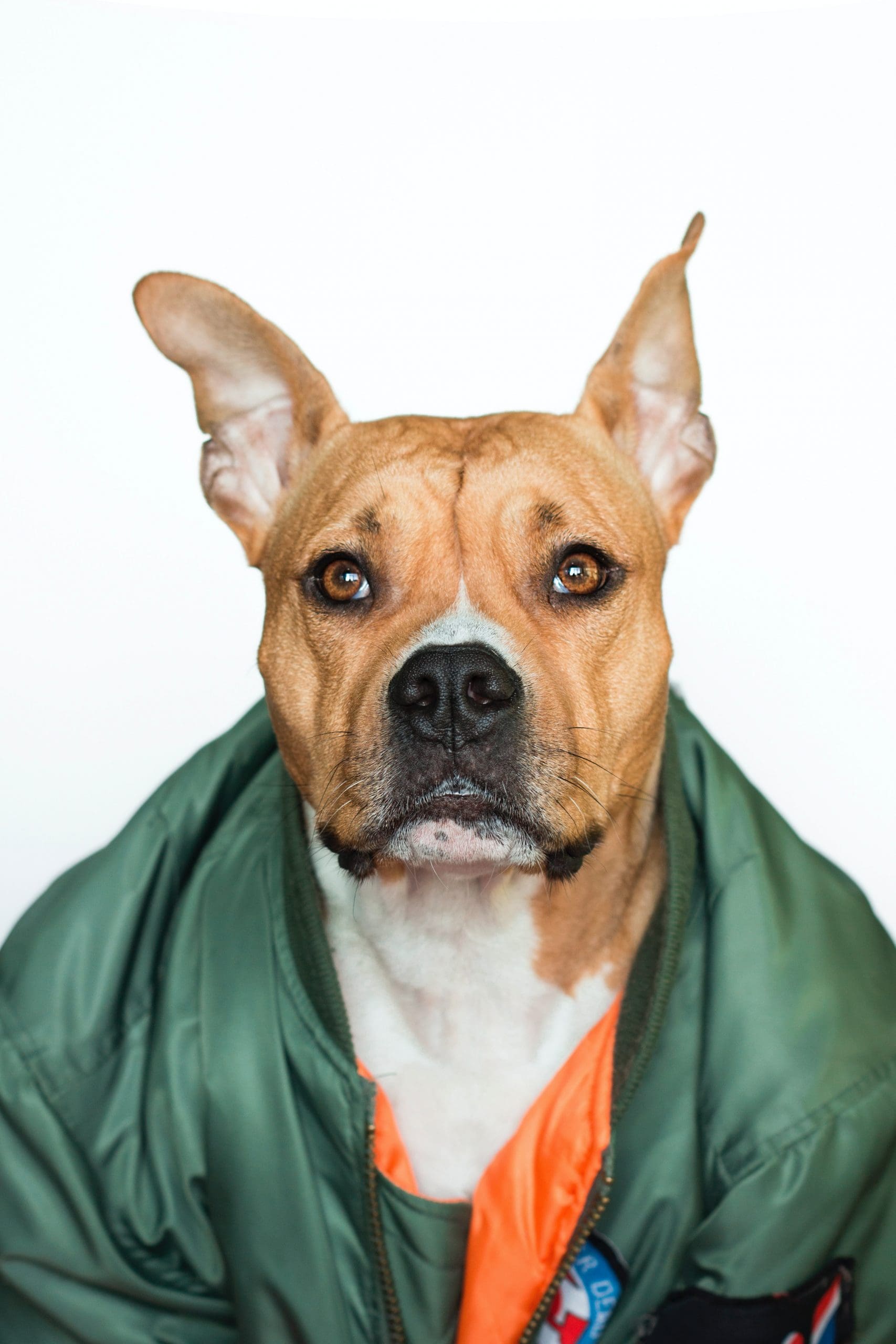
What to do new puppy?
Post Date:
December 6, 2025
(Date Last Modified: February 5, 2026)
Deciding to bring a puppy into your life is as practical as it is emotional. People add puppies for companionship, sport and working roles, or to train a future service animal; each reason changes what you’ll need to prioritize. Ask yourself whether you have the time for multiple daily care sessions, whether your work schedule allows frequent bathroom breaks or a dog walker, and whether your living situation (renters’ rules, yard access, household members) will allow the energy and occasional disruption a young dog brings. I typically recommend matching the puppy’s expected adult size and energy level with your daily routine—an active hound may be a poor fit for several hours alone every day, while a calmer breed can be easier for apartment life.
Is a Puppy Right for You Right Now? Key Considerations
Beyond the broad reasons people choose puppies, consider concrete household factors. Children change supervision needs and may require lessons on safe handling. Existing pets need managed introductions and gradual scent and sight exposures. Landlords or HOA rules may impose breed, size, or vaccination requirements; check these before you commit. Time commitments are real: in the first months a puppy will need frequent feeding, supervised play, multiple short training sessions, and help learning where to eliminate. If you can’t meet those needs now, delaying adoption or planning a gradual transition with support (dog day care, pet sitter, or a family member) will reduce stress for you and the puppy.
First 48 Hours: Immediate Tasks for Your New Puppy
- Schedule a veterinary visit within 48 hours. Your vet will check weight, hydration, temperature, discuss a vaccination and deworming timeline, and advise on flea/tick prevention appropriate for your area and age of the puppy.
- Set up a safe sleep area and a short emergency contact list. A quiet crate or enclosed area with washable bedding should be ready; program your vet, local emergency clinic, and a poison control number into your phone.
- Establish an initial feeding plan and confirm the puppy is drinking. Use the food the breeder/rescue provided for the first 48–72 hours to avoid stomach upset, then transition slowly if you change brands; weigh feedings so portions are consistent.
- Verify identification: confirm any microchip registration details or get a scan done at the vet. Attach an ID tag with your phone number to a properly fitted collar or harness right away.
Reading Puppy Signals: Behavior, Body Language and Basic Biology
Puppies are learning machines whose behavior is driven by development. There is a socialization window—often between about 3 and 14 weeks—when new experiences tend to shape future confidence; exposures during this time are likely linked to how comfortable a dog becomes with people, animals, and environments. Body language is the puppy’s primary vocabulary: a tucked tail and lowered body may suggest fear, while a loose tail and relaxed mouth tend to indicate comfort. Ears and posture add context; I find that reading whole-body signals rather than single cues gives the clearest picture.
Oral exploration is normal because teething and sensory investigation motivate chewing and mouthing. A puppy’s sleep cycle includes many short naps; bursts of frantic energy (often called “zoomies”) commonly follow daytime rest or toileting. Those patterns are biologically normal and are best managed by predictable routines and short training or enrichment sessions timed to the puppy’s attention span.
When Puppies React: Interpreting Stress, Fear and Play
Puppy behavior shifts predictably in response to environment and time. New people, loud noises, sudden handling, or chaotic rooms can trigger stress responses; the same puppy who is relaxed at home may become reserved or reactive in a busy park. Puppies also show time-of-day energy patterns—early morning and early evening are often peak activity times—so plan walks and training then when their attention is best.
Breed and age matter: herding and sporting breeds may show more chase and herding instincts even at a young age, while small-breed puppies sometimes mature emotionally more slowly. Seasonal effects occur too—hot weather shortens safe exercise windows and rainy seasons can make puppies hesitant to go outside. Anticipate these shifts and adapt exposures gradually rather than forcing intense experiences all at once.
Health Warning Signs Every New Owner Should Know
Some signs require urgent attention. Persistent vomiting, diarrhea that includes blood, or a puppy that refuses all food and water for more than 12–24 hours should be seen promptly. Extreme lethargy, collapse, or an inability to stand may indicate serious illness. Difficulty breathing, sudden severe swelling of the face or throat, or seizures are emergencies—call your veterinarian or an emergency clinic immediately.
Other red flags include signs of poisoning (drooling, vomiting, collapse after possible exposure), choking or an obstructed airway (gagging, pawing at the mouth), or severe, unrelenting pain after trauma. If you’re unsure, call your vet; collect any packaging or substance that might be involved and, if possible, bring a stool sample or vomit for testing. Early triage can make a critical difference.
The First 30 Days: A Week-by-Week Owner Plan
Start with paperwork and a baseline vet exam: register ownership, transfer microchip records, and collect any existing medical records. Your vet will likely recommend an initial deworming and a vaccine schedule that staggers core vaccines (like distemper, parvovirus) over several visits; follow-up visits are important for both protection and growth checks. Keep a simple health log with dates, weight, and any treatments.
Establish predictable feeding, potty, and nap routines. Feed in measured portions at set times—puppies usually do well on three to four scheduled meals—and take the puppy outside to the same elimination spot after waking, after play, and after meals. Gentle handling exercises (touching paws, opening the mouth, brief grooming) for a few minutes several times a day help the puppy accept veterinary and home care. Start name recognition and very short leash introductions inside the house before moving outdoors.
Socialization is gradual and deliberate. Aim for many short, positive exposures to different surfaces, sounds, people of different ages, and calm, vaccinated dogs. Keep encounters brief and reward calm behavior; avoid overwhelming the puppy or letting any interaction become scary. Supervised, short visits to friends’ yards or quiet puppy classes (once vaccination milestones are met) are useful steps.
Set Up Your Home for Success: Crates, Gates and Beginner Training Routines
Crate introduction should be a positive process. Make the crate comfortable with washable bedding and leave the door open while the puppy explores; feed meals and treats near or inside the crate so it becomes associated with safety. Use the crate for short, supervised rests—never for long periods without breaks—and avoid using it as punishment.
Training that relies on praise, treats, and immediate timing tends to work best. Reward the puppy within a second or two of the desired behavior so the association is clear. For house training, frequent outdoor trips, a consistent cue for elimination, and immediate praise for success help build the pattern. When accidents happen, clean with an enzyme cleaner and avoid punishing the puppy after the fact; punishment often increases anxiety and hides the behavior rather than fixing it.
Manage chewing and biting with redirected options and consistent limits. Offer safe chew toys when the puppy mouths hands, teach bite inhibition by stopping play briefly when a mouth is too hard, and replace hands with a toy. For jumping, teach an alternate behavior like sit before greeting people and reward calm greetings consistently.
Essential Puppy Gear: What to Buy Before Day One
- Proper-fit collar or harness, ID tag with current phone number, and a sturdy leash—measure a harness for comfort and safety; collars should allow two fingers between skin and material.
- Safe chew toys and teething aids without small detachable parts; choose toys sized for your puppy’s mouth and inspect them regularly.
- A crate with washable bedding, non-slip food and water bowls, and a food scoop to measure portions consistently.
- Quality measured puppy food appropriate for your puppy’s age and breed size, plus waste bags for outdoor clean-up and a basic first-aid kit with your vet’s recommended supplies.
Sources and Further Reading: Research & Expert Guidance
- American Veterinary Medical Association: “Puppy Socialization” and “Vaccination of Dogs” (AVMA client resources pages)
- American Animal Hospital Association (AAHA) Canine Vaccination Guidelines—2017/2019 update summaries and owner-facing vaccine schedules
- Merck Veterinary Manual: “Canine Neonatal and Pediatric Care” and “Canine Parvoviral Enteritis” entries
- American Kennel Club: “New Puppy Checklist” and breed-specific care articles
- ASPCA: “Puppy Behavior and Training” resources and toxic plants/poisoning emergency guidance
