
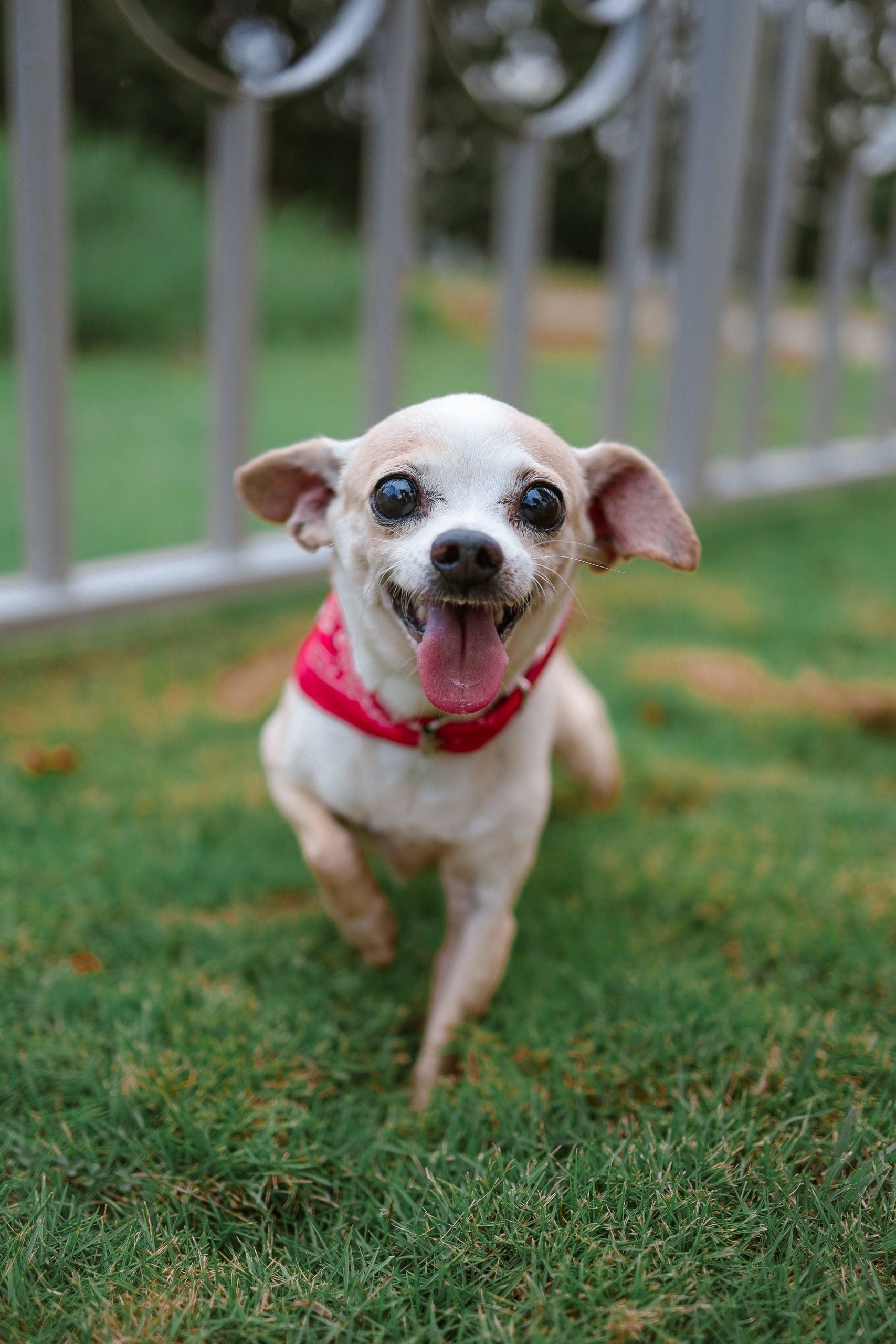
What kinds of dogs are the paw patrol?
Post Date:
December 10, 2025
(Date Last Modified: February 5, 2026)
Dog lovers often ask which real breeds inspired the Paw Patrol characters because the show sits at the intersection of pet enthusiasm and practical curiosity. People see simplified, confident canine personalities on screen and naturally wonder how those traits map onto living dogs. That question is useful: it helps with costume choices, introduces kids to breed variety, and feeds decisions about adoption or training when families want a pup with similar energy or looks.
Why dog lovers are curious about the breeds behind Paw Patrol
The appeal is both visual and functional. The pups have distinct silhouettes and jobs that make them easy reference points: a police dog that’s steady, a firefighter dog that’s energetic, a pilot who’s light on her feet. I typically see parents use those images when picking breed-appropriate costumes or explaining different working roles to children. They also shape expectations—kids may think every Dalmatian is a firehouse dog or every Labrador is a water-rescue specialist—so understanding the gap between cartoon shorthand and living dog variation matters.
Fandom can nudge behavior. Families sometimes seek out breed traits that match the show’s portrayal without recognizing variability inside a breed or the influence of training and socialization. That leads to useful questions: which traits are inherent to a breed, which are shaped by life experience, and how to set realistic expectations when bringing a dog into a home with children.
Meet the pack: an at-a-glance guide to each Paw Patrol breed
Below is a concise mapping of the core Paw Patrol characters to the breeds they are most visually or conceptually modeled on, with a brief size and energy snapshot. These are best-read as inspirations rather than strict breed assignments—production art tends to exaggerate features for clarity.
- Chase — German Shepherd type: medium-large, high drive, needs regular mental work and exercise.
- Marshall — Dalmatian influence (fire medic): medium, active, can be sensitive to environmental stressors.
- Skye — Cockapoo / small spaniel-poodle mix vibe: small, agile, playful, often high social motivation.
- Rubble — English Bulldog / stocky terrier-blend look: small-medium, strong in short bursts, may be low on endurance.
- Rocky — mixed-breed/terrier type: small-medium, resourceful, high toy-drive and problem-solving interest.
- Zuma — Labrador Retriever type: medium-large, water-friendly, outgoing and food-motivated.
- Everest — Siberian Husky or northern-type dog: medium, high energy, good cold tolerance and strong pull/play instincts.
- Tracker — Chihuahua or small terrier mix: small, alert, quick, often bold despite size.
Official production notes sometimes list characters as “mixed” or simply “pup” to keep things broad; the visual design is what most closely suggests a real-world breed. Energy and size snapshots here should be used as starting points for matching a family’s lifestyle to a dog’s likely needs.
How and why the creators picked specific breeds for each character
The breed-like choices in Paw Patrol are functional as much as aesthetic. A German Shepherd silhouette is shorthand for a police or leader role because that breed is widely associated with working roles in real life. Dalmatians historically have ties to firehouse iconography, which makes them a quick visual cue for a firefighting medic. A lab-type for water rescue and a Husky-type for snow operations follow the same logic: viewers recognize the shape and immediately understand the pup’s specialty.
Designers also favor kid-friendly shapes: rounded faces, pronounced ears, and clear color contrasts. Those elements improve readability in animation and help children pick out characters at a glance. Energy level and temperament in the show are simplified: a pilot is light and responsive, a construction pup is sturdy and determined. In real dogs, those traits are distributed across individuals and are influenced by genetics, early socialization, and ongoing training.
When breed traits matter — temperament, work drive and family fit
Breed-linked traits become meaningful when environment and tasks align with those traits. For example, swimming ability, webbed feet, and a dense coat tend to make retriever-type dogs better suited to water rescues. Similarly, a northern-type dog with a double coat will usually tolerate cold and snow better than a short-coated companion. When picking a dog for a specific activity—search work, agility, water play—look for traits that match the task, but expect variation within breeds.
Climate and terrain also shape how a dog performs. Short-muzzled breeds may struggle in hot, humid conditions and with intensive aerobic exercise; heavy-chested or brachycephalic dogs are likely to overheat faster. Older dogs or those with joint disease will show diminished capacity regardless of breed tendency. I often advise assessing the individual’s current fitness, not only the breed label, because age, conditioning, and prior injury can alter expected trait expression.
Health considerations: common risks and warning signs in these breeds
Many health concerns tie back to breed tendencies. German Shepherds and other deep-chested or large-breed dogs are more likely to develop hip dysplasia or degenerative joint disease; Dalmatians fit certain urinary stone profiles; brachycephalic breeds (short noses) may have breathing difficulties. Those are tendencies that may suggest increased screening and preventive measures, not guarantees that an individual will be affected.
Watch for common stress signals during play: excessive panting, repeated collapse to the side, glazed eyes, stumbling, or collapse may suggest overheating or respiratory distress. Subtle signs like a reluctance to climb stairs, irritation when a limb is touched, or sudden behavioral change warrant prompt attention. If a dog shows rapid breathing at rest, pale or blue-tinged gums, persistent vomiting, or collapse, seek veterinary care quickly—those can indicate life-threatening problems such as heatstroke, bloat, or severe respiratory compromise.
Picking a pup: practical steps for owners who want a Paw Patrol–type dog
Start by matching lifestyle to likely energy and size. A family with daily long walks, yard space, and active kids is more likely to succeed with a medium-to-large, high-drive dog. Apartment dwellers or lower-activity households will often fare better with small-to-medium, low-to-moderate energy dogs. I suggest timing this assessment: consider a typical week, not an idealized weekend.
Meet the individual dog before committing. Temperament varies widely inside breeds; meeting a dog in multiple contexts—calm, noisy, with children, and during a short walk—helps reveal social compatibility. Ask to see the dog interacting with new people and other dogs when possible.
Verify health history and clearances. For purebreds, check for documented hip/elbow evaluations, cardiac clearances, and eye exams where applicable. For mixed breeds or shelter dogs, review vaccination records, recent veterinary exams, and any behavioral assessments. Plan for exercise, enrichment, and long-term care: a realistic schedule for walks, training, and mental stimulation reduces the chance that a high-energy dog becomes an unmanageable problem.
Training and home setup to support energetic, service-style dogs
Training should reflect the dog’s intended role and energy. Basic recall and impulse control are essential for almost every active dog. For a pup modeled on a water-rescue role, begin with safe, reward-based introductions to water, paired with a reliable recall and a life vest during pools or beach sessions. For a “police” or leader-type dog, structure training around calm leadership exercises: short, frequent obedience sessions that reinforce focus and working drives.
Enrichment plans are equally important. Use puzzle feeders and scent games to channel problem-solving drive; set up short agility circuits or nose-work stations in the yard or living room to provide regular, achievable challenges. Housing should match climate needs: provide shade and cooling mats for short-coated breeds in warm weather and insulated shelter for double-coated northern types in cold weather.
Socialization with children must be intentional. Supervise all interactions, teach children to read dog body language (loose vs. stiff posture, play-bow vs. frozen stance), and set simple rules: no hugging a dog that’s eating or sleeping, and how to approach calmly. I often recommend short, structured meetings between dog and child, gradually increasing length as both show comfort.
Gear and toys for active, rescue-like play — safety first
- Proper-fit harnesses (front-clip for leash manners; step-in harnesses for comfort), adjustable to the dog’s chest and neck measurements.
- US Coast Guard–type canine life vest with grab handle for water sessions; ensure neck and belly straps are secure but not overly tight.
- Protective booties for hot pavement, rocky trails, or snowy ice; introduce them in short sessions to build tolerance.
- Durable toys and interactive feeders: rubber toys, braided tug lines, and puzzle feeders that match size and chewing strength.
- Compact pet first-aid kit with bandage material, tweezers, saline flush, and emergency contact numbers; plus a cooling vest or evaporative cooling towel for heat mitigation.
What-if scenarios: handling emergencies, behavior issues and unexpected situations
What if energy exceeds owner capacity? Consider structured solutions before rehoming: increase mental enrichment, add daily scent or puzzle work, and work with a certified trainer to create a progressive exercise plan. If the match truly fails despite sustained changes, rehoming to an active household or rescue organization experienced with that breed-type can be in the dog’s best interest.
What if child–dog interactions raise concerns? Immediate steps are supervision, separating the dog and child during a cooling-off period, and assessing triggers. Recondition the dog using positive reinforcement for calm behavior around children and teach the child safe interactions. If bites or persistent fear occur, consult a certified behaviorist for a structured intervention plan and avoid punitive measures that can worsen fear.
What if a suspected breed health issue appears? Early triage matters. For lameness or suspected hip pain, limit activity, apply cold packs short-term, and arrange veterinary evaluation including orthopedic exam and imaging as needed. For respiratory distress or heatstroke signs, move the dog to shade, cool gradually with tepid water, and seek emergency care. Keep health records and any breed-related test results available for clinicians.
Sources and further reading: where the information comes from
- American Kennel Club: German Shepherd Dog — https://www.akc.org/dog-breeds/german-shepherd-dog/
- American Kennel Club: Dalmatian — https://www.akc.org/dog-breeds/dalmatian/
- Merck Veterinary Manual: Canine Hip Dysplasia — https://www.merckvetmanual.com/musculoskeletal-system/lameness-in-dogs-and-cats/hip-dysplasia
- American Veterinary Medical Association: Heat Stroke in Dogs and Cats — https://www.avma.org/resources-tools/pet-owners/petcare/heatstroke-dogs-and-cats
- American Veterinary Society of Animal Behavior: Position Statement on Puppy Socialization — https://avsab.org/resources/position-statements/
- Nick Jr. / Paw Patrol Character Profiles (official production bios) — https://www.nickjr.com/paw-patrol/about/
