
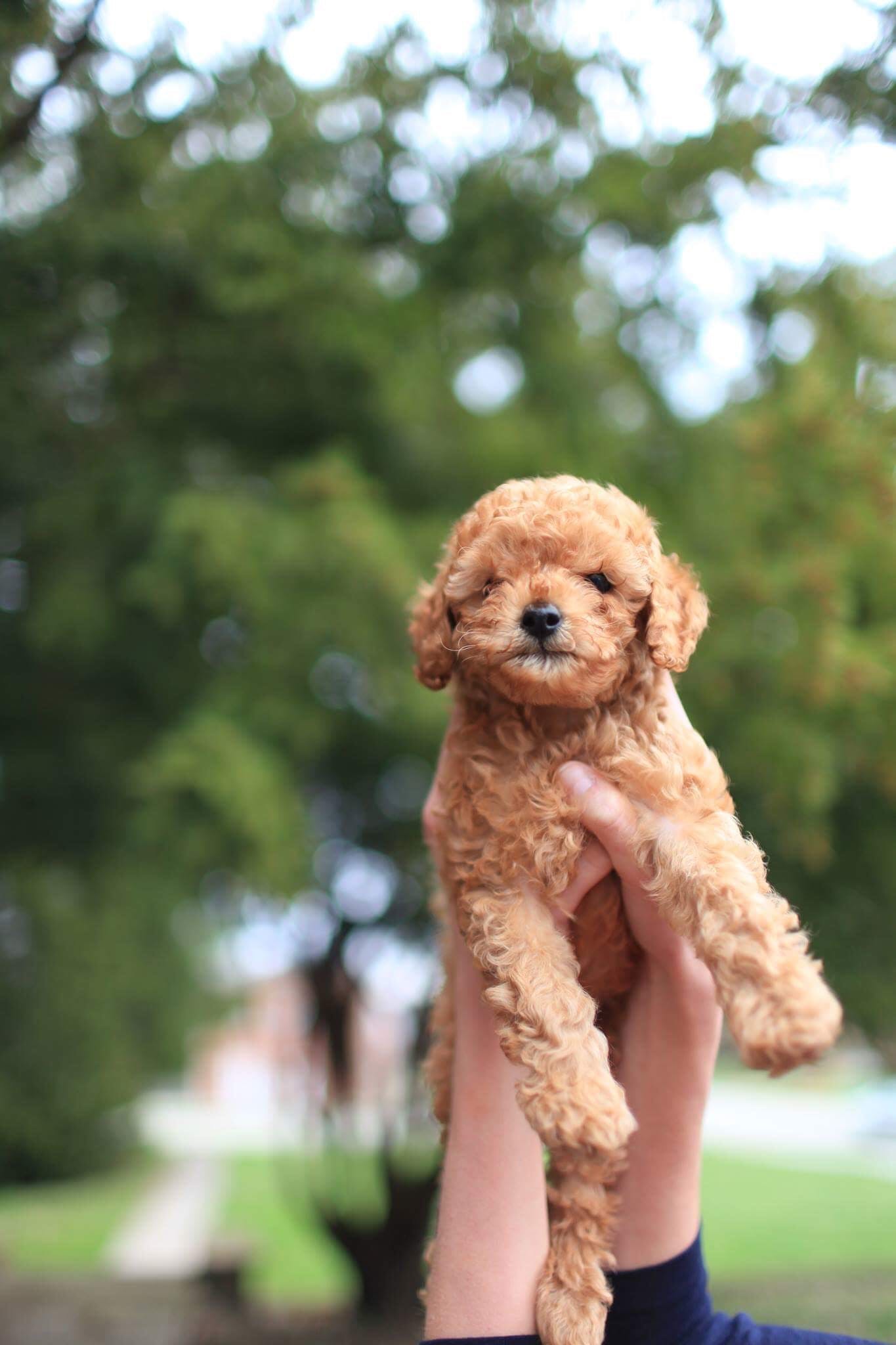
What kind of dog is lady?
Post Date:
January 22, 2026
(Date Last Modified: February 5, 2026)
When someone asks “What kind of dog is Lady?” they’re usually asking more than a name-to-breed match. Dog lovers want a working hypothesis they can act on — whether Lady will need morning runs or short walks, whether she may be prone to certain health issues, or whether she will fit with children or other pets. Answering that question well combines careful observation, an understanding of how breeds were shaped, and practical steps that an owner can take to confirm and support the dog in front of them.
Curiosity and care: why people ask “What kind of dog is Lady?”
Adoption and lifestyle fit is one common reason. People imagine a dog’s day-to-day needs from its likely breed history: a scent hound may prefer long nose-to-ground walks, a herding-type may need structured tasks, and a small companion breed may be content with more indoor time. That expectation helps owners choose training, housing, and exercise plans that match both the dog and the household.
Curiosity about behavior and health risks also drives the question. Breed-linked traits may suggest typical energy levels, sociability with strangers, or predispositions to orthopedic or dermatologic conditions. I often tell owners that knowing a dog’s likely ancestry can make veterinary conversations more focused — it may suggest screening priorities, not guaranteed outcomes.
For many owners, identifying a dog is social: sharing photos and talking across breed communities builds connection and identity. Recognizing a dog as “a spaniel mix” helps people find relevant clubs, training methods, and peer advice. Lastly, identification helps tailor training. Different breeds were developed for different tasks; matching methods to those instincts can make learning faster and reduce stress for both dog and owner.
At a glance — visual clues to identify Lady’s likely breed
- Visual cues: size and overall proportions (compact or leggy), coat type (short, double, wiry, curly), ear set (drop, prick, semi-prick), and tail carriage may suggest breed groups.
- Behavior markers: energy level, whether the dog tracks scents intensely, and how it interacts with moving objects can narrow possibilities.
- Age-related caveats: puppies often lack adult proportions and coat; juvenile traits can mislead at first glance.
- Definitive option: a reputable DNA test is the most reliable way to describe ancestry when appearance and behavior are unclear.
Use these points as a quick triage: take clear photos from several angles, note what Lady does when excited or bored, and record how she responds to people and other animals. Those immediate observations will give you a shortlist of likely groups even before you consider testing.
What Lady’s lineage reveals: breed traits, temperament and biology
Physical traits we call “breed characteristics” are heritable features shaped by selective breeding over generations. Skull shape, limb proportions, coat type, and ear set are examples of traits that are likely linked to particular genes or sets of genes and were selected to perform a function or to meet a standard. Those same traits may be more variable in mixed-breed dogs, with combinations that reflect multiple ancestral lines.
Temperament is partly genetic and partly learned. Certain behavioral tendencies — like a strong chase instinct in sight hounds or a high willingness to retrieve in retriever types — are likely linked to ancestry but are expressed within the context of environment and training. I commonly see dogs with a genetic predisposition toward vigilance that become calmer with consistent socialization and predictable routines.
Functional origins explain why breeds behave the way they do. Dogs bred for herding tend to be alert, focused on movement, and responsive to subtle cues; scent hounds were selected for persistent tracking and may ignore commands while on a scent. Companion breeds were often selected for sociability and tolerance of close human contact. When you think about what Lady seems motivated by, you’re often seeing echoes of those original roles.
Developmental biology matters: critical periods of social and sensory development in puppies influence lifelong responses. Early experiences can dampen or amplify genetic tendencies, so breed history and early environment interact to produce the dog you live with.
From puppy to adult: when breed-specific traits emerge
Puppies can be misleading. Many breeds gain defining proportions and coat types as they mature; a floppy-eared puppy might develop a firmer ear carriage or lose puppy fluff for a dense adult coat. I typically advise owners to make tentative identifications for puppies and revisit them at six to twelve months when adult morphology becomes clearer.
Socialization and training alter the behavioral expression of breed tendencies. A dog predisposed to guarding may appear calm if introduced to a wide range of people and situations in a gradual, controlled way. Conversely, limited exposure during critical periods can exaggerate fearfulness or reactivity, creating a behavioral picture that masks genetic potential.
Seasonal changes reveal coat characteristics. Double-coated breeds shed their undercoat seasonally and can look markedly different in winter versus summer. Nutrition, parasite burden, and chronic skin disease also change coat texture and fullness; a dog with a genetic double coat may look thin-haired if underlying health issues reduce hair growth.
Health and diet can alter body condition and appearance: poor nutrition leads to a dull coat and muscle loss, while hypothyroidism or endocrine issues may change hair distribution. These effects can complicate visual breed guesses and are a reminder to check health before concluding ancestry.
When to be concerned: health signs and medical red flags for Lady
Some features that look like breed traits may instead be signs of illness. A sudden change in behavior — increased aggression, lethargy, or withdrawal — may indicate pain, neurologic disease, or systemic illness rather than a temperament shift. I treat abrupt behavioral changes as red flags that deserve veterinary evaluation.
Breathing difficulties or unexpected exercise intolerance should prompt urgent attention. Brachycephalic-looking dogs (short-nosed) are often predisposed to airway compromise, but even dogs without that appearance can develop respiratory disease. No matter the breed impression, persistent labored breathing or collapse after mild activity is a medical concern.
Chronic skin problems, recurrent ear infections, persistent eye discharge, abnormal lumps, limping, or unexplained weight changes are signs that a veterinary exam is needed before trying to attribute symptoms to breed. Some inherited conditions appear as subtle signs early; catching them sooner allows for management that improves quality of life.
Owner action plan: clear, practical steps to identify and care for Lady
- Observe and document: take clear photos (side, front, top), measure height and weight, and note daily behaviors, exercise tolerance, and reactions to people and animals.
- Compare to breed references: look at reputable breed profiles and photo galleries to find reasonable matches to Lady’s proportions and coat.
- Consult a veterinarian: have a general health exam to rule out medical causes for atypical appearance or behavior and to get targeted advice about screening tests.
- Consider reputable DNA testing: if you want a clearer ancestry picture, choose a test from validated companies and interpret results as probabilities rather than absolute certainties.
Start with documentation; concrete notes and photos make it easier to discuss observations with trainers, vets, or breed-savvy friends. When you bring Lady to the veterinarian, share your observations and the photos — that context helps differentiate inherited traits from treatable problems. If you choose DNA testing, choose a provider that offers peer-reviewed methods and read the report with an understanding of its limits.
Training tips and home adjustments that suit Lady’s needs
Match exercise to likely energy levels. If Lady shows high activity and a strong desire to pursue moving objects, plan for sustained, structured exercise sessions and outlets that mimic working tasks: scent games, long-line hikes, or fetch with controlled intervals. If she appears low-energy or older, focus on short walks and joint-friendly activities.
Structure mental enrichment to fit breed-like tendencies. Scent-driven dogs often thrive on food-detection games; herding types prefer tasks that involve following cues and controlling movement. Mental work can be as tiring as physical work, so tailor puzzles, training drills, or task-based play to what Lady enjoys.
Manage social exposures deliberately. If Lady shows caution around new people, use gradual introductions and reward-based desensitization rather than forced encounters. Conversely, if she seeks social contact, supervised playdates and calm boundary-setting help prevent over-arousal.
Adjust the living space to size and safety. A dog likely to be large or powerful needs an appropriately sized crate, sturdy harness, and escape-resistant fencing. Smaller companion-like dogs need safer access to surfaces and supervision around stairs. Think ahead about gates, bedding, and where the dog will rest when unsupervised.
Recommended gear: tools and tech for identifying and looking after Lady
Begin with simple recording tools: a camera or smartphone for clear photos and a measuring tape to record height at the shoulder and body length. Accurate records are helpful for future comparisons and for conversations with professionals.
For DNA testing, choose well-regarded providers known for transparent methods and large reference databases; read kit instructions carefully and understand what the test can and cannot tell you. For daily control and comfort, select a correctly sized collar and a front-clip or no-pull harness if pulling is an issue, and a crate large enough for the dog to stand and turn comfortably. Grooming tools should match coat type: slicker brushes and dematting tools for long or curly coats, shedding blades and undercoat rakes for double coats, and fine-tooth combs for silky hair.
Finally, keep a basic first-aid kit and a logbook of veterinary visits, vaccinations, and any health concerns. Those records will help correlate physical changes with interventions and make it easier to spot trends that may affect Lady’s well-being.
Sources and further reading on Lady’s breed and care
- American Kennel Club (AKC) Breed Library — individual breed profiles and standards (e.g., “AKC: Beagle — Breed Standard and Temperament”).
- Merck Veterinary Manual: “Behavioral Problems of the Dog and Cat” — guidance on interpreting behavioral changes and medical differentials.
- American Veterinary Medical Association (AVMA): “Selecting the Right Pet” — considerations for matching dog traits to household lifestyles.
- Embark Veterinary: “How Dog DNA Tests Work” — overview of methodology, limitations, and interpretation of breed ancestry reports.
- Serpell, J. (Ed.), The Domestic Dog: Its Evolution, Behaviour and Interactions with People — a comprehensive resource on the biology and behavior of dogs.
