
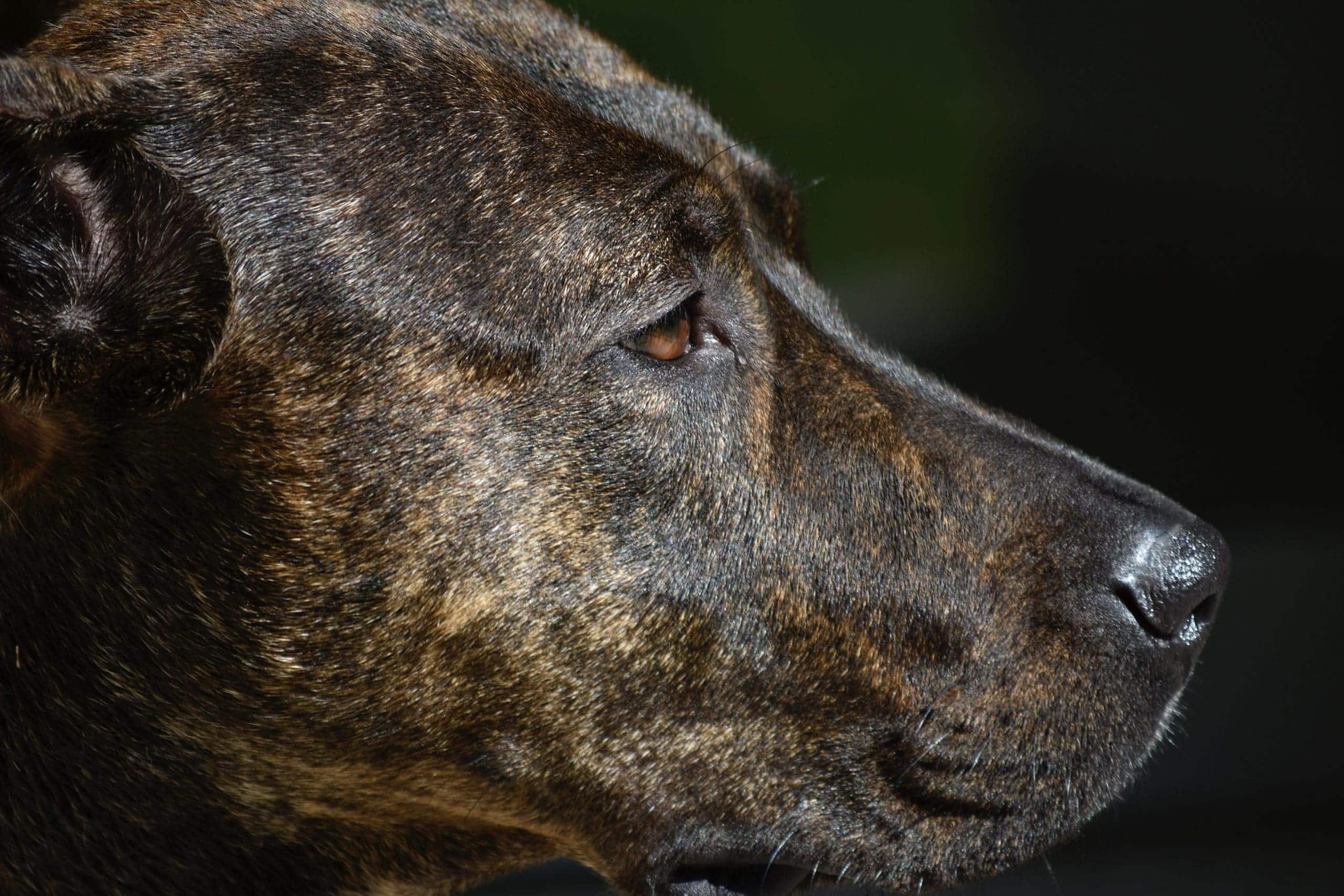
What kind of dog is brian griffin?
Post Date:
December 1, 2025
(Date Last Modified: February 5, 2026)
Brian Griffin is one of those fictional dogs that invites real-world comparison: he walks, talks, drinks martinis and has opinions on philosophy, yet he looks like a fairly ordinary white, medium-sized dog. For dog lovers the question “what kind of dog is Brian Griffin?” is not just a trivia point — it’s a way to think about how cartoon traits map back to living dogs, what to expect from a similar-looking companion, and whether a Brian-like dog would fit into their household.
Fans keep asking: what kind of dog is Brian Griffin?
Fans and prospective owners ask because cartoons create a convenient template. Brian serves as a shorthand for certain physical and behavioral traits — he’s white, medium-sized, appears athletic but relaxed, and displays a human-like temperament. People hope to learn whether those visible cues point to a known breed, what temperament they might expect in a real dog with similar looks, and whether the care and training that fit Brian’s onscreen persona would match a real animal’s needs.
Curiosity also has a practical side. Someone considering adoption may see a white, short-coated, medium dog at a shelter and think “Brian-like,” then wonder about exercise level, grooming, or suitability with kids. Fans use Brian as a conversation starter about how cartoons simplify breed traits and about what real-life behaviors — like retrieving or guarding tendencies — might be linked to a dog’s background.
Finally, asking about Brian opens up discussion about anthropomorphism: when we attribute human motives and language to dogs, we risk misunderstanding how dogs actually communicate and what they need. Understanding the difference is useful when deciding how to train, socialize, and care for a dog that resembles Brian.
In brief — the breed Brian Griffin most closely resembles
The show never assigns Brian a canonical real-world breed; he is fictional and unspecified. Visually he reads as a medium-sized, short-coated white dog with a slender muzzle and a longish body. Those visual cues have led many fans to guess Labrador or retriever types, or simply a mixed-breed of Labrador/Pointer/terrier influence.
When people try to pin a single breed on Brian they encounter the limits of cartoon design: animators pick features that communicate a general dog-ness rather than a breed-accurate profile. So calling him a Labrador is reasonable as shorthand — he has the blocky head and medium build that loosely match retriever types — but is not definitive. A living dog with that look is likely a mix unless it matches detailed breed standards on conformation and behavior.
When cartoon personality meets real canine biology
Brian’s ability to speak and sip martinis is a storytelling device; it helps writers give him agency and cultural commentary. In real dogs, the toolkit for influencing owners and other animals is very different: body posture, facial expression, tail movement, ear position, vocalizations like barks and whines, and a huge reliance on scent are the principal channels of communication.
Breed-linked behaviors tend to be functional. Dogs bred for scent work are likely to follow scent trails and show sustained nose-focused searching; retrievers typically take to carrying or fetching; herding breeds may exhibit strong eye contact and movement-bias toward other animals. These tendencies are probabilistic — they may suggest a background or training pathway rather than absolutely predict an individual dog’s behavior.
As a clinician I see many owners misread human-like pauses or apparent “guilt” as moral judgment. What looks like shame in a dog is more often a response to a human’s tone and body language. Recognizing that distinction reduces unrealistic expectations about a dog’s cognitive capacity and helps focus on training and environmental management that actually change behavior.
How breed-specific traits emerge as a dog matures
Breed-like behaviors often appear when the dog’s environment and early development expose underlying tendencies. The puppy socialization window — roughly 3 to 14 weeks — is a period when experience shapes comfort with people, other dogs, and novel stimuli. A dog that looks Brian-ish but missed positive socialization may be shy or reactive in ways you wouldn’t expect from a cartoon persona.
Exercise and mental stimulation reveal breed tendencies over time. A dog with retriever ancestry may initially seem calm in the house, but under-exercised it is likely to develop nuisance behaviors such as chewing or excessive barking. Conversely, a dog with calmer ancestral roles may appear easygoing even with minimal outlets, but that apparent calm can mask low-level stress.
Household stressors alter behavior too. Changes like new pets, a baby, or a noisy urban environment may intensify anxiety, resource guarding, or displacement behaviors. I often tell owners that how a dog behaves in a stable, enriched routine is more representative than a short observation at adoption; consistent patterns across different contexts are the clearest indicators of temperament and needs.
Health risks for Brian-like dogs: signs you shouldn’t ignore
Medium-sized, short-coated companion dogs similar to Brian may be prone to a few common health concerns that owners should monitor. Weight gain can rapidly become an issue; even a modest increase in body condition is likely linked to reduced mobility and a higher risk of orthopedic problems such as hip or elbow stress. Watch for changes in gait, reluctance to jump, or stiffness after rest.
Dental disease is common in domestic dogs and may suggest the need for a hygiene plan. Smelly breath, tartar buildup, or bleeding gums are signs to discuss with your veterinarian. Ear infections are also frequent, even in dogs with short hair; waxy discharge, head shaking, or pawing at the ear should prompt an exam.
Some signs require urgent attention: sudden lethargy, labored breathing, persistent limping, collapse, or difficulty eating or drinking. These could indicate serious conditions — cardiac, respiratory, systemic infection, or acute injury — and merit prompt veterinary care rather than waiting to see if they resolve.
What owners should do next: a practical checklist
- Observe and document. Spend several days noting physical features and consistent behaviors: energy level, food interest, reaction to strangers and other dogs, and any repetitive behaviors. Photos and short videos of gait, play, and rest can be very helpful to a veterinarian or behaviorist.
- Schedule a veterinary exam. Ask for a baseline health screen including weight/body condition scoring, dental check, joint palpation, and screening tests appropriate for the dog’s age and history. Vaccination and parasite prevention should be reviewed.
- Consider DNA testing. If breed mix is important to you, a reputable canine DNA test may suggest likely breed ancestry. Results are probabilistic and can help guide enrichment and training choices but should not replace behavioral assessment.
- Create a tailored care plan. Based on health findings and observed temperament, set a realistic routine for feeding, exercise, and mental enrichment. Include a plan for dental care, grooming, and socialization that fits the dog’s tolerance and progress.
Home management and training strategies for Brian-style dogs
Consistent, positive-reinforcement methods are the most reliable approach for companion dogs. Rewarding calm behavior, using clear cues, and breaking training into short, frequent sessions helps a dog learn without becoming stressed. I typically recommend starting with sit, recall, and loose-leash walking as foundation skills.
Daily exercise should match energy level. A medium-sized dog with retriever-like ancestry will likely benefit from at least one vigorous outing that allows running or purposeful activity, plus additional shorter walks. Pair physical work with cognitive tasks — scent games, puzzle feeders, structured training — to reduce boredom-driven behaviors.
Socialization strategies are gradual and controlled. Introduce new people, children, and dogs at a pace that keeps the dog below a threshold of stress: brief, positive encounters rather than marathon sessions. If the dog shows fear or reactivity, work with a trainer who uses reward-based, desensitization and counter-conditioning techniques rather than punishments that can worsen anxiety.
Consult a professional when problems persist. If aggression, pronounced separation anxiety, or complex fear behaviors appear, a certified trainer or veterinary behaviorist can create a stepwise treatment plan. Early intervention usually yields better outcomes than waiting for escalation.
Recommended gear for dogs resembling Brian Griffin
A well-fitted harness distributes pressure more evenly than a collar for dogs that pull, and a secure ID tag plus microchip makes reunification more likely if the dog escapes. For short-coated dogs regular brushing with a rubber curry or bristle brush reduces shedding and helps inspect skin.
Interactive puzzle feeders and durable chew toys provide mental work during downtime and reduce boredom. High-value treat pouches make positive-reinforcement training practical. For dental care, daily toothbrushing with canine toothpaste is ideal; if that is not tolerated, dental chews and professional cleanings at intervals recommended by your vet may be necessary.
Lastly, use safe restraint during car travel — a crash-tested harness or secured crate — and consider reflective gear for evening walks. Small investments in appropriate equipment often reduce stress for both dog and owner and support a consistent routine.
Sources and further reading
- Family Guy—“Brian: Portrait of a Dog” (Season 1, Episode 7) and other canonical episodes for character portrayal and context.
- Seth MacFarlane interviews and commentaries discussing character development (e.g., DVD commentary and press interviews collected in entertainment outlets).
- American Kennel Club: Labrador Retriever Breed Standard and AKC articles on mixed-breed behavior and choosing the right dog (akc.org).
- Merck Veterinary Manual: Dental Disease in Dogs; Hip Dysplasia in Dogs; and Anal Sac Disease sections (merckvetmanual.com).
- American Veterinary Medical Association: Canine Obesity and Preventive Care Guidelines (avma.org).
- Embark: How Canine DNA Testing Works; Wisdom Panel: Breed Identification Overview for dog owners (embarkvet.com; wisdompanel.com).
