
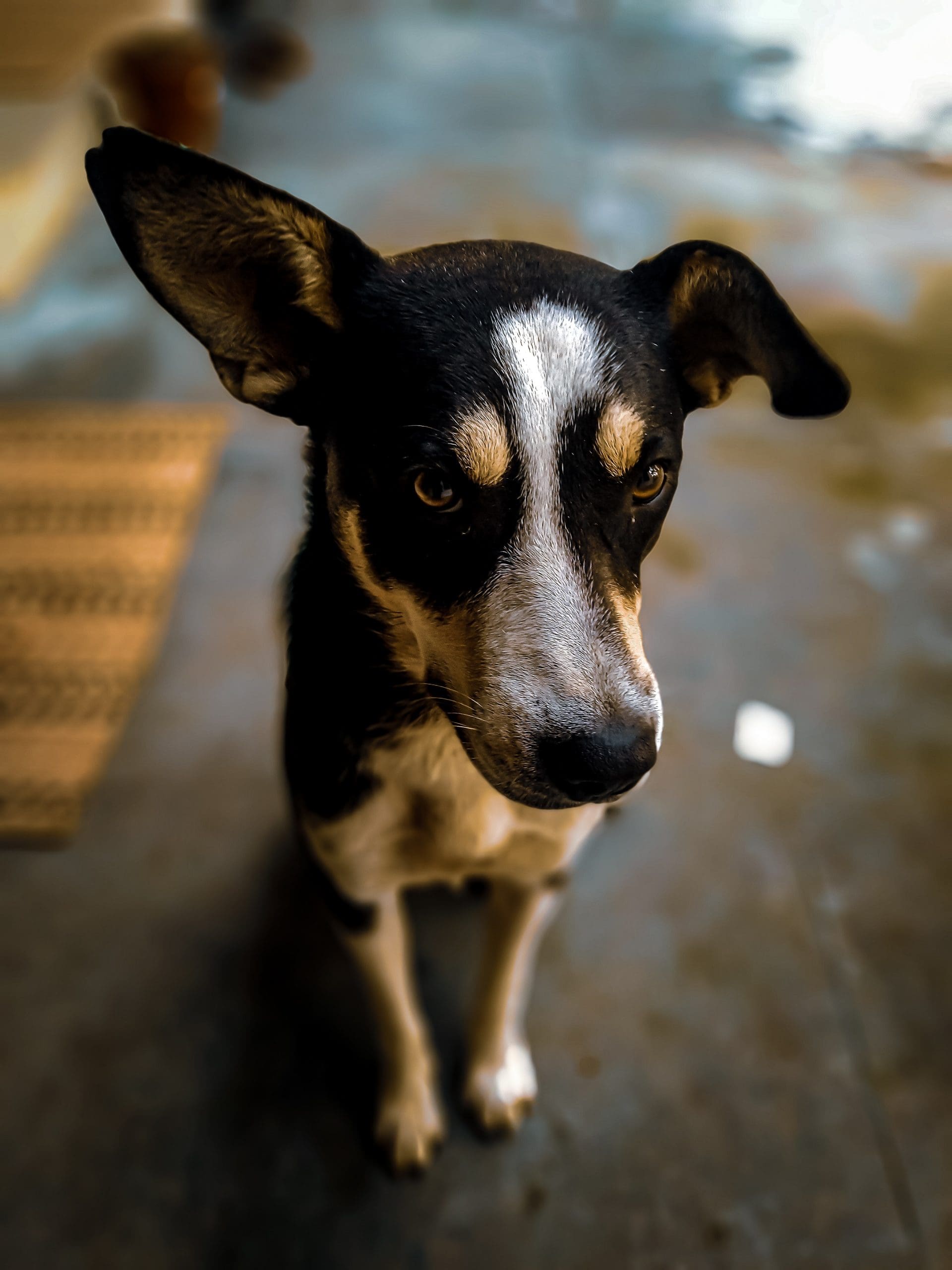
What is dog day?
Post Date:
January 28, 2026
(Date Last Modified: February 5, 2026)
Dogs and hot weather is a practical topic for anyone who takes a dog out for walks, plays in parks, or leaves a pet at home during summer. This article explains what people commonly mean by “dog day,” why it matters for daily planning, how dogs respond to heat, and what owners can do immediately and over time to keep their dogs safe and comfortable.
How Dog Days Affect Your Dog’s Health
Understanding what people mean by “dog day” matters because many routine activities become riskier when temperature and humidity rise. Owners often plan early-morning runs, backyard play, dog park outings, or road trips without realizing how environmental heat changes the risk profile for their pet. I typically see owners surprised that a short, brisk walk can push a dog into distress on a humid 85°F day, especially in breeds with heavy coats or shorter noses.
Ignoring hot-weather risks can result in dehydration, heat exhaustion, or full heatstroke—conditions that may progress quickly and, in severe cases, cause organ damage or death. Even when severe outcomes are avoided, recovery can be slow and costly. Knowledge about how heat affects dogs changes behavior: it helps owners choose the right time and place for exercise, bring appropriate gear, and recognize trouble early.
Defining ‘Dog Day’ — a clear, concise explanation
In everyday use, “dog day” can mean several related things. The most common meaning is the “dog days” of summer—the period of hottest weather during the summer months. A second meaning is a specific celebration such as National Dog Day, a day to recognize dogs and encourage adoption. A third, idiomatic meaning refers to having “a dog’s day,” meaning a difficult or exhausting day. For a dog owner planning activities or safety, the first meaning—periods of intense heat—is usually the most relevant.
How dogs regulate heat: the biology behind it
Dogs regulate body temperature differently than people. Panting is the main cooling mechanism: rapid breathing moves air across moist surfaces in the mouth and upper airways, which may help transfer heat out of the body. Dogs have relatively few sweat glands across their skin; those that do exist are concentrated in the paw pads and around the nose, so wetness from sweating contributes little to overall cooling except in wet paw prints.
Fur acts as an insulator and may slow heat entry when a dog is in shade, but a heavy double coat can also trap heat during strenuous activity or on extremely hot days. Body size and shape matter: larger dogs have more mass to cool and may overheat more easily in prolonged exertion, while short-nosed (brachycephalic) breeds often struggle to ventilate efficiently and are therefore more heat-sensitive. Cardiovascular responses—faster heart rate, redistributed blood flow—are likely linked to efforts to move heat to the skin and respiratory surfaces, and these responses can be taxed during extreme heat or in dogs with heart disease.
Timing and geography: when dog days are most likely
Not every warm day is a true danger; risk increases when ambient temperature, humidity, and radiant heat combine. Many veterinarians use a heat index or “feels-like” measure to assess risk: when the heat index exceeds roughly 90°F, even moderate activity may become risky for some dogs. Humidity amplifies the problem because it reduces the effectiveness of panting; a dog may be unable to evaporate moisture from the respiratory tract when water vapor in the air is high, so the same air temperature can be far more dangerous on humid days.
Direct sunlight and heated surfaces are important and often underestimated factors. Pavement, sand, and metal can reach temperatures much higher than the air and may burn paw pads or increase core body temperature through conduction. In many regions, the hottest period of the year is predictable by season, but individual dogs acclimate over days or weeks—gradual exposure to rising temperatures may increase tolerance, while sudden heat waves can be dangerous because dogs haven’t adapted.
Heat dangers: warning signs your dog is in trouble
Early warning signs of heat stress are changes owners can spot before things become critical: heavier or faster panting than usual, excessive drooling, visible distress, slowed movements, or seeking shade and water more insistently. Subtle changes in behavior—reluctance to continue a walk, lagging behind, or sprawl in cool areas—may suggest the dog is struggling to cope.
Severe indicators demand immediate action: collapse, disorientation, staggering, seizures, repeated vomiting, or gums and tongue that are very pale, bright red, or bluish. Some dogs will develop a rapid heartbeat, and breathing may become noisy or laboring. Groups at highest risk include brachycephalic breeds (for example, bulldogs and pugs), puppies, elderly dogs, obese dogs, and dogs with underlying cardiac or respiratory disease. Complications can include dehydration, rhabdomyolysis (breakdown of muscle), clotting problems, and organ injury—conditions that may appear hours after the initial event.
Immediate steps to take if your dog shows heat stress
When a dog shows signs of heat stress, act quickly but calmly. First, move the dog out of direct sun into shade or an air-conditioned space and stop any activity. Check responsiveness and breathing; if the dog is unconscious or having seizures, prioritize urgent transport. If the dog is alert but hot, offer cool (not ice-cold) water in small amounts—forcing large gulps can risk aspiration. I usually suggest small sips every minute while preparing other cooling steps.
Begin cooling with methods that lower skin temperature without causing shock: place cool, wet towels around the neck, armpits, and groin where blood vessels are nearer the skin, and use a fan to increase evaporative cooling. Avoid pouring large quantities of ice-cold water over the dog; rapid surface cooling can cause peripheral blood vessels to constrict and slow heat removal from the core. If you have a thermometer, note the time and any temperature readings—the dog’s temperature, the time you started cooling, and when symptoms began can be very useful to any veterinarian.
Transport to a veterinarian immediately if the dog has severe signs, if cooling does not improve breathing or mentation within a few minutes, or if core temperature was above about 105°F before cooling. When handing the dog to vet staff, give a concise timeline: when signs began, what cooling you applied, how much water the dog drank, and any relevant medical history or medications.
Prevention strategies: training, routines and environment fixes
Prevention is far easier than emergency treatment. Schedule walks and play at cooler times—early morning or after sunset in hot months—and reduce intensity on warm days. Acclimate dogs over one to two weeks by gradually increasing exercise duration and intensity as temperatures rise; this helps cardiovascular and respiratory systems adapt. I often recommend owners shorten the first few walks of the season and add a minute or two each day rather than starting long or intense sessions immediately.
Train dogs to accept protective measures: teach them to walk with a portable water bottle and pause for sips, get them used to cooling vests or bandanas before hot weather arrives, and reinforce calm behavior when you introduce fans or wet towels. At home, ensure shaded outdoor areas, good airflow, and access to cool water. Indoor temperature control—fans, air conditioning, or cool tiles—can make a big difference for dogs that are older or have health issues.
Must-have gear for keeping dogs safe on hot days
- Cooling mats, vests, and bandanas: choose products designed to lower surface temperature without freezing the dog; try gear in short sessions so the dog accepts it.
- Portable water bottles and collapsible or spill-proof bowls: having water immediately available reduces the chance of dehydration during a walk or trip; offer frequent small sips rather than large gulps.
- Paw protection such as booties or paw balm: use booties on very hot pavement and consider paw balm to protect pads if your dog tolerates it; test ground temperature with your hand—if it’s too hot for your palm, it’s too hot for paws.
- Car safety items: a reliable in-car thermometer that alerts to rising temperatures, window shades, and a plan never to leave a dog unattended in a parked car—even briefly. If you must travel, know emergency vet clinics along your route.
If the worst happens: first aid scenarios and when to call a vet
If a dog recovers after mild heat stress, monitor closely for 24 to 48 hours. Complications such as gastrointestinal upset, continuing lethargy, or dark urine may suggest ongoing problems and merit a veterinary recheck. If a dog required emergency cooling for severe signs, follow the veterinarian’s instructions exactly; additional testing such as bloodwork, urinalysis, or coagulation assays may be recommended because some complications evolve after the dog initially appears better.
If you live in an area prone to heat waves, make a family plan: identify shaded walking routes, keep emergency numbers handy, know the location of the nearest 24-hour veterinary clinic, and practice simple cooling steps with hesitant dogs so procedures are familiar when they are needed. For multi-dog households, recognize that a calm dog may hide early symptoms while another dog becomes clearly distressed—observe each animal individually.
Sources and further reading
- Merck Veterinary Manual: Hyperthermia (Heat Stroke) in Dogs — Merck Vet Manual, section on canine hyperthermia, https://www.merckvetmanual.com/
- American Veterinary Medical Association (AVMA): Heatstroke in Pets — Hot Weather Safety for Your Pets, https://www.avma.org/resources-tools/animal-health-and-welfare/heat-stroke-pets
- American Kennel Club: Heatstroke in Dogs — Symptoms, Treatment & Prevention, https://www.akc.org/expert-advice/health/heatstroke-in-dogs/
- American Animal Hospital Association (AAHA): Hot Weather Safety and Managing Heatstroke, clinical resources and owner guidance, https://www.aaha.org/
- ASPCA: Heatstroke in Dogs — Signs and First Aid for Heat-Related Illness, https://www.aspca.org/pet-care/general-pet-care/heatstroke-dogs
