
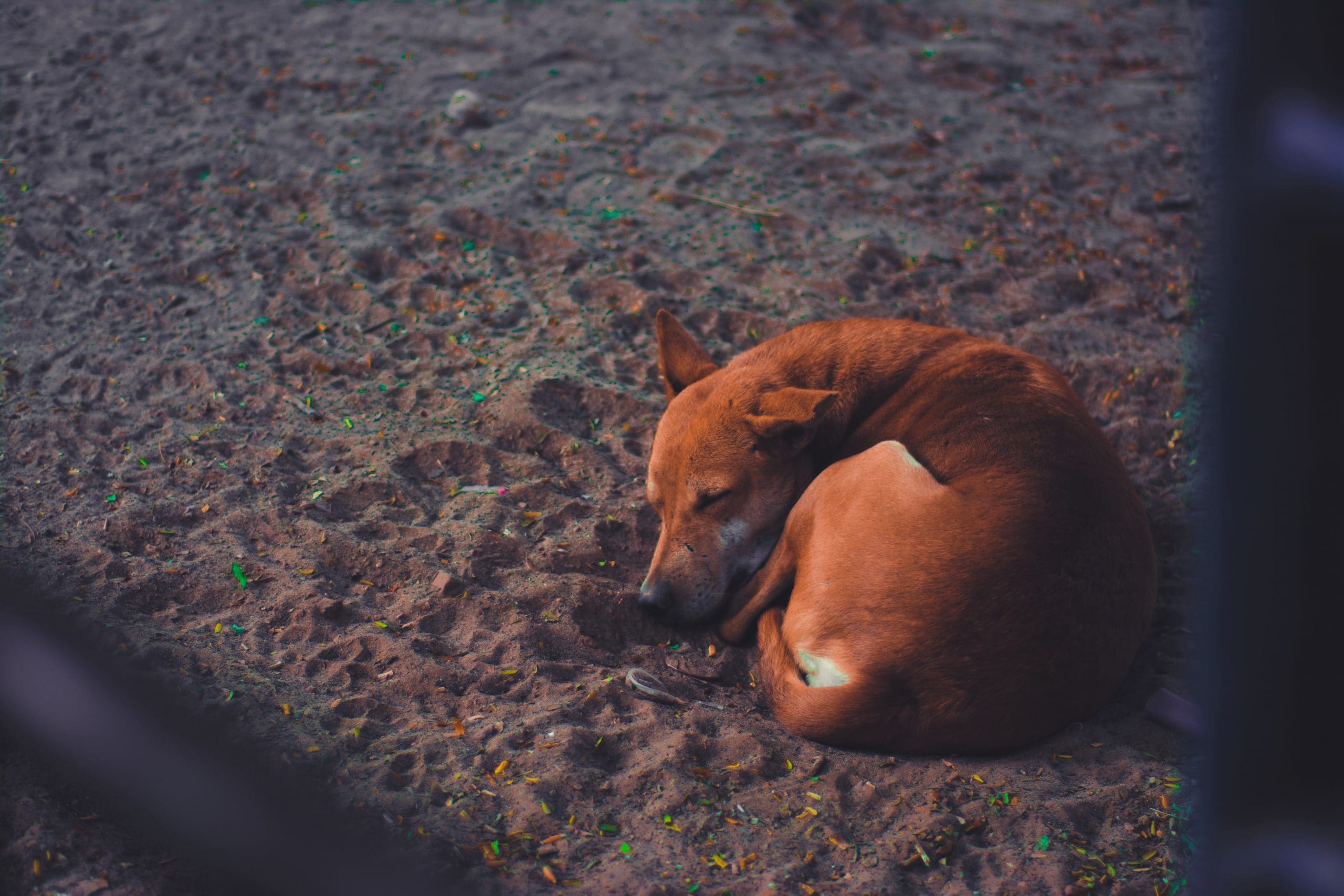
What home remedy can i give my dog for constipation?
Post Date:
December 1, 2025
(Date Last Modified: February 5, 2026)
Constipation in dogs is common enough that every dog lover should know a few safe, practical things to try at home. When a dog hasn’t produced normal stool, owners often feel anxious and want to act; having reliable, simple steps to encourage a bowel movement can prevent unnecessary stress and unnecessary trips to the clinic. This article explains when home measures are reasonable, why they may work, how to perform them safely, and when a problem may be more serious.
Constipation and your dog: why it shouldn’t be ignored
Many everyday situations make it useful to have a short, safe plan for constipation. Owners often first notice problems when traveling, after a boarding stay, or while a dog is on a new medication that can slow gut movement. I typically see constipation in puppies who are transitioning diets, senior dogs with slower intestinal motility, and overweight dogs that spend long periods lying down. These groups may be more likely to develop hard, dry stools that are uncomfortable and slow to pass.
Even if a dog has a single episode of constipation, acting quickly can ease discomfort and stop the issue from worsening. Travel delays, remote boarding locations, or being out of town can make an immediate veterinary visit impractical; in those moments, a few safe home steps may be the difference between a short fix and a worsening emergency.
A short, calm approach also helps owners avoid unsafe choices like giving strong human laxatives, mineral oil, or sustained enemas without guidance. The goal is to encourage natural movement with food, fluids, and gentle stimulation while watching closely for signs that veterinary care is needed.
Safe, immediate home remedies you can try
- Canned plain pumpkin (not pie filling): A tablespoon or two of plain canned pumpkin can add soluble fiber and moisture to formed stool, helping bulk and soften it. Many veterinarians suggest starting conservatively—small dogs a teaspoon to a tablespoon, medium dogs one to three tablespoons, larger dogs up to three to four tablespoons—given once or twice daily while monitoring.
- Increase access to fresh water and encourage drinking: Hydration affects how much water the colon absorbs. Offer extra bowls, try a pet fountain, or add a little low-sodium broth to entice drinking; ice cubes can also interest some dogs.
- Gentle exercise and short walks: Light activity stimulates intestinal motility. Several short walks throughout the day are often more helpful than a single long, strenuous session when a dog is constipated.
- Contact your veterinarian when remedies don’t help within 24–48 hours or if the dog shows worrying signs: If you see no improvement or if any red flags appear, seek veterinary advice promptly rather than continuing home care indefinitely.
Inside your dog’s gut — how constipation develops
The large intestine’s role is to absorb water and consolidate waste into formed stool. If stool sits in the colon longer than usual, more water is pulled out and the stool becomes harder and drier, which slows passage even more. This loop is why adding moisture and gentle bulk can often ease an early episode.
Constipation is also linked to reduced intestinal motility. The muscles and nerves that move material through the gut may be less active due to age, pain, metabolic illness, or certain medications. A dog with slowed gut contractions is likely to have delayed transit time and firmer stools.
Diet plays a clear role. Low-fiber diets or sudden changes to new food may alter transit time and the stool’s consistency. Conversely, some indigestible items (like hair, bedding, or bones) can form a compact mass that blocks normal flow. Dehydration makes both low-fiber diets and slow motility worse, by increasing the percentage of water removed in the colon.
Certain medications—including some pain medications, opiates, and anticholinergics—are likely linked to slower gut movements. When a dog starts a new drug and then becomes constipated, this timing may suggest a medication contribution and is worth pointing out to your veterinarian.
When your dog is most likely to become constipated
Practical triggers tend to be environmental or temporal. Recent diet changes, especially abrupt switches or the introduction of novel treats, are a common precursor. Ingestion of indigestible items (chewed toys, bones, fabric) may lead to partial blockages that present as constipation rather than immediate vomiting.
Less obvious triggers include reduced water intake—often seen in hot weather, when a dog is stressed, or when access to water is limited. Excessive salt in the diet or a salty snack can reduce thirst and worsen dehydration. Inactivity or confinement, such as extended crate time during travel or recovery after surgery, may decrease normal gut stimulation and lead to infrequent stools.
Finally, systemic illness or medication changes commonly precede constipation. If a dog starts a new pain reliever, antidepressant, or antihistamine, owners should watch bowel habits closely and mention these drugs to their veterinarian if constipation follows.
Symptoms that signal emergency veterinary care
- Repeated vomiting or a dog that cannot pass gas or stool despite obvious effort—this may suggest a partial or complete intestinal blockage and needs immediate veterinary attention.
- No stool for 48 hours or more with active straining and discomfort; failing to produce stool in this timeframe is more worrying in small dogs and requires prompt evaluation.
- Visible blood in the stool, severe and persistent abdominal pain, a hard or visibly swollen abdomen—these signs suggest a more serious problem such as obstruction or severe colitis.
- Marked lethargy, collapse, fever, or signs of systemic illness—if a dog seems faint, unusually weak, or febrile alongside constipation, seek emergency care.
A practical at-home care checklist for relieving constipation
Start with a quick, calm assessment. Note whether the dog is eating, whether there is any vomiting, how long it has been since the last normal stool, and whether the dog is straining or showing obvious pain. If there are red flags, call your veterinarian or emergency clinic now.
Offer fresh water and a small serving of canned plain pumpkin. Use conservative amounts at first: a teaspoon for very small dogs, up to a tablespoon for small breeds, and larger dogs may get a few tablespoons. Watch for acceptance and any change in stool over the next 8–24 hours. Pumpkin is helpful because it can add both moisture and fiber without upsetting most dogs’ stomachs.
Encourage gentle exercise. Multiple short, calm walks (5–15 minutes) spaced through the day often do more good than one long walk. Gentle abdominal massage—using the flat of your hand to apply light pressure in a clockwise motion from the ribs toward the pelvis—may help stimulate movement. Keep the pressure light and stop if the dog shows pain.
Record timing and stool quality. Note the time you gave pumpkin, how often you walked the dog, and when the next stool appears and what it looks like. This record makes it easier to determine whether home care is working or whether veterinary care is needed.
If there is no improvement within 24–48 hours, or if any red flags arise, call your veterinarian. They may recommend a physical exam, abdominal X-rays, stool softeners approved for dogs, or other interventions. Avoid giving human laxatives or mineral oil without a veterinarian’s direction; these can be risky if aspirated or used inappropriately.
Environment and routine adjustments that support digestion
Prevention is often simpler than treatment. Keep a consistent feeding schedule so stools are more predictable, and make diet changes slowly over several days to weeks. Sudden switches are a frequent trigger for mild gastrointestinal upset and altered stool consistency.
Always provide fresh water and consider multiple water stations if you have a multi-level home or often leave the dog in different rooms. Pet water fountains are useful for dogs that prefer running water; adding a little low-sodium broth occasionally can encourage drinking for reluctant dogs.
Establish a regular exercise routine and set scheduled potty times after meals and naps. Dogs often have a stronger urge to defecate shortly after eating; taking them out at predictable times gives them a chance to empty comfortably and helps you spot changes early.
Finally, reduce access to garbage, bones, and nonfood items. Persistent scavenging is a major cause of obstructive constipation. Teach “leave it” reliably and block access to temptation, especially when guests are visiting or during outdoor activities.
Gear and supplies worth keeping on hand
A pet water fountain or multiple bowls encourages drinking and helps maintain hydration. A simple measuring scoop or kitchen spoon dedicated to pumpkin or other supplements keeps your dosing consistent. Keep a small notebook or a phone note to track stool timing and quality—this is often the first thing a veterinarian asks for.
Consider keeping a can of plain canned pumpkin on hand for occasional use and a small supply of a vet-recommended wet or high-fiber food if constipation recurs. A comfortable leash and harness make frequent, controlled walks easier, and a soft mat can help when you need to perform a brief abdominal massage while the dog rests calmly.
A thermometer is worth having if you need to check for fever, and contact information for your regular veterinarian and the nearest emergency clinic should be readily accessible. These simple items reduce delays and help you make clear, calm decisions when an episode occurs.
References and vet-recommended resources
- Merck Veterinary Manual: “Constipation and Obstipation in Dogs” — Merck Veterinary Manual clinical reference.
- Cornell University College of Veterinary Medicine: “Constipation in Dogs” client information sheet — Cornell Companion Animal Hospital guidance.
- American Veterinary Medical Association (AVMA): Pet owner resources on gastrointestinal signs and when to seek veterinary care.
- VCA Animal Hospitals: “Constipation in Dogs” — clinical overview and client advice from VCA specialists.
- Veterinary Partner (Veterinary Information Network): “Constipation & Obstipation in Dogs” — practical information reviewed by veterinary clinicians.
