
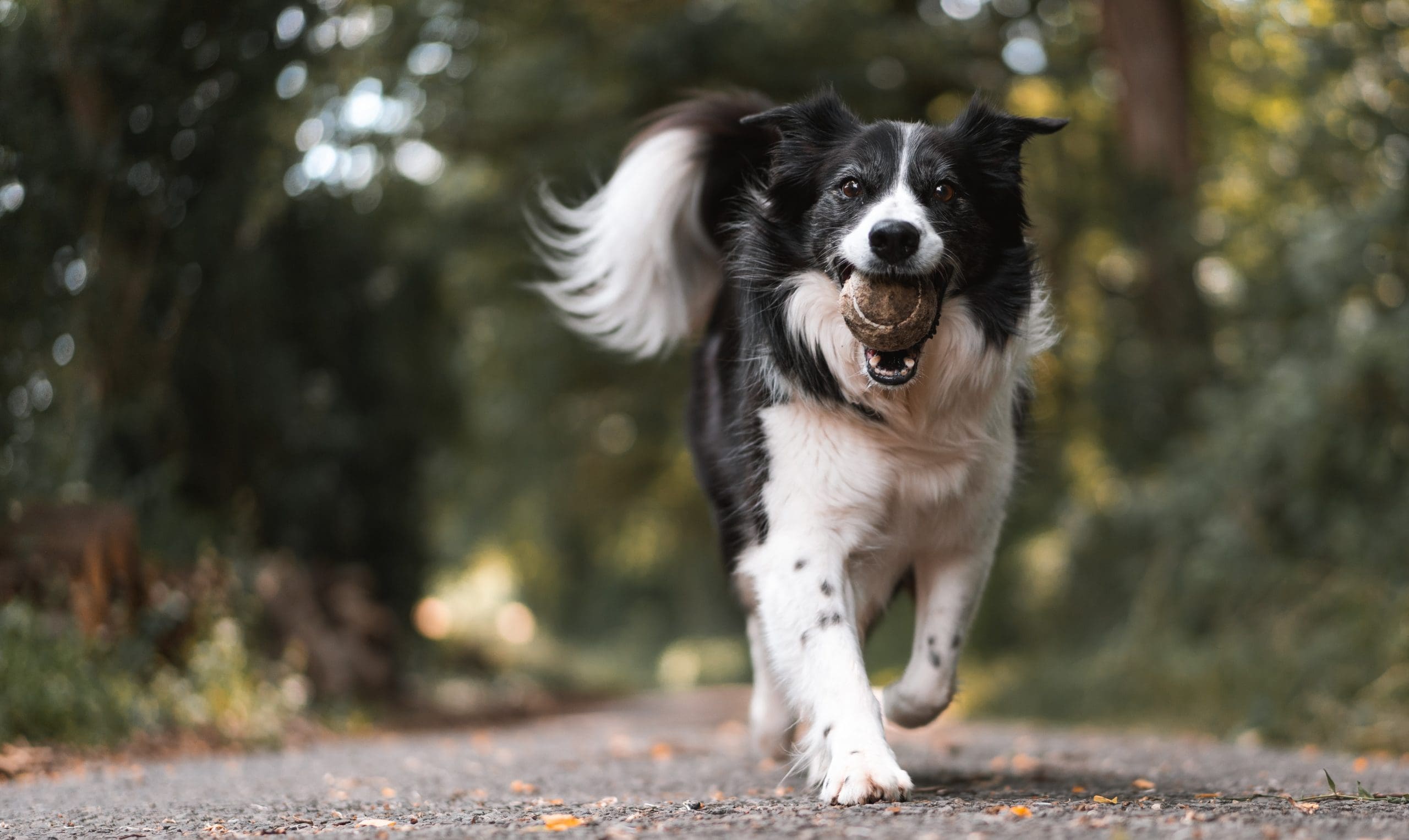
What does a dog licking you mean?
Post Date:
January 26, 2026
(Date Last Modified: February 5, 2026)
If your dog licks you and you wonder whether it’s love, grooming, stress, or something to worry about, this article walks through what licking likely means, the biology and signals behind it, when to be concerned, and clear steps you can take as an owner to respond, train, and keep both of you healthy.
Why dog licking matters: what it reveals about your bond and your pet’s health
Understanding why dogs lick deepens the bond between you and your dog and helps you read their body language more accurately. I typically see owners assume every lick is the same; in reality, interpreting licking well can help you respond with kindness, set boundaries, and strengthen communication rather than unintentionally rewarding an anxious or attention-driven behavior.
Knowing the reasons behind licking is also practical. If licking accompanies stress or pain, early recognition allows you to intervene—through enrichment, changes to routine, or veterinary care—before the behavior becomes compulsive or leads to skin damage. For anyone training or living closely with dogs, licking is an everyday cue that can be used productively if you know what to look for.
At a glance — the most common meanings behind a dog’s lick
Most often a lick is a friendly, social gesture: a mix of affection and information-gathering. Dogs lick to show closeness, to taste or smell interesting things, to calm themselves or others, and sometimes simply to get attention. Context and the dog’s overall body language are what turn that short answer into a useful, specific interpretation.
How licking works: the biology and communicative signals dogs use
Licking likely traces back to maternal grooming: puppies are licked by their mothers for cleaning and stimulation, and that pattern can carry into adult social behavior. The rhythm and persistence of a lick often mirror the calming, caregiving role licking played in early life.
Scent and taste are important drivers. A lick transfers chemical cues in saliva and on skin; dogs gather information about where you’ve been, what you’ve eaten, and your emotional state. I often see dogs focus their licking on hands and faces because those areas carry strong individual scents and are rich in salt and other flavors that attract them.
Dogs also use licking as a calming or appeasement signal. In tense interactions—between dogs, or between dog and person—a soft, repeated lick may be an attempt to defuse the situation. Physiologically, saliva contains certain enzymes and substances that help with grooming and may have mild antibacterial properties, which is why dogs sometimes lick wounds or dirty areas to clean them, though that is not a substitute for proper veterinary care.
Timing and context: where, when and why dogs tend to lick
Puppies tend to lick more frequently as they explore the world and seek reassurance from littermates and people; licking in young dogs often declines with age but may persist as a social habit. I typically see adult dogs lick during greetings, after being separated, or when they want to initiate interaction.
Emotional context changes meaning: an excited tail-wagging dog that licks your face is probably seeking closeness or attention; a tucked-tail, flattened-ear dog offering quick licks may be trying to appease. Licking associated with whining, pacing, or lip-licking under stress is more likely to be a calming mechanism than a friendly kiss.
Situational triggers matter too. Dogs often lick right after meals, during grooming sessions, when investigating injuries, or when something on your skin—salt, sweat, lotions—attracts them. Environmental factors like high temperature (dogs may lick to soothe dry skin), the presence of other animals, or a household routine that rewards licking (laughing, petting) will influence how often it happens.
When licking becomes a concern: warning signs and medical red flags
Frequent or persistent licking can be a problem. If a dog licks the same spot on a person or itself repeatedly, or the behavior escalates in intensity or frequency without an obvious social trigger, it may suggest pain, allergy, or an anxiety-related compulsion. I watch for changes in pattern: a dog that licked occasionally but now licks constantly is a dog asking for help.
Look for physical signs at lick sites—reddened skin, hair loss, rawness, or wounds—that indicate the licking is causing harm. Sudden changes in licking paired with lethargy, loss of appetite, vomiting, or unusual aggression should prompt veterinary evaluation because they can be signs of underlying medical issues.
Also be cautious about the things a dog licks. Persistent licking of unusual objects, floors, or surfaces—especially when accompanied by other odd behaviors—can indicate pica, gastrointestinal upset, or nutrient-seeking behaviors that are worth discussing with your vet.
What to do next: a practical owner checklist for common licking scenarios
- Observe first: take note of where the dog licks you, how long, and what the rest of the body is doing (tail, ears, posture). Context usually tells you whether the lick is affiliative, exploratory, or stress-related.
- Decide how to respond: if the lick feels friendly and brief, accepting it calmly can strengthen your bond; if the dog is anxious or insistent, gently redirect the behavior to a calm alternative (sit, paw, or a chew) rather than rewarding the lick with attention.
- Hygiene: wash hands after being licked, especially if you have cuts, are immunocompromised, or the dog has been exposed to questionable substances. If a dog licks a wound, clean and dress the area and seek veterinary care for deep or infected wounds.
- Seek help when patterns change: if licking becomes compulsive, is directed at a wound, causes skin damage, or coincides with other behavior changes, consult your veterinarian to rule out medical causes, and consider a veterinary behaviorist if needed.
Training and home strategies to curb unwanted licking (and encourage good habits)
Train clear, consistent cues so your dog understands when licking is allowed and when it is not. Teach an easy-to-reinforce replacement behavior—“sit” or “paw”—and reward the replacement reliably. I typically recommend short training sessions that reward the dog for offering an alternative before the licking begins.
Reduce triggers by improving enrichment and predictability: regular mealtimes, walks, puzzle feeders, and safe chew options lower the likelihood that a dog will seek attention through repetitive licking. If a dog licks from anxiety, work on desensitization to the trigger and add calming strategies like structured exercise and interactive toys.
Socialization and grooming routines also matter. Regular, gentle handling and positive grooming can satisfy the dog’s need for physical contact and reduce overreliance on licking as a social tool. For dogs that redirect licking toward people, practicing calm greeting protocols—ignore at first, then reward quiet—can change expectations.
Gear, grooming and hygiene essentials to manage licking safely
Keep pet-safe wipes on hand for quick cleanup after enthusiastic licks, especially when outdoor smells or food are involved. Lick mats and treat-dispensing toys are helpful redirections: they occupy the dog’s mouth and provide the positive feedback they’re seeking without involving your skin.
Durable chew toys and slow feeders can reduce attention-seeking licks by satisfying the dog’s need to chew and explore orally. For wound management, use vet-recommended topical options and an appropriate bandage or cone if the dog targets a healing area—this prevents self-injury and allows proper healing.
Finally, keep soap and hand sanitizer available at home and follow vet advice for topical wound care. If you or someone in the household is immunocompromised, discuss the risks of close contact and licking with your veterinarian so you can create a safe interaction plan.
References, expert sources and further reading
- Merck Veterinary Manual: “Normal and Abnormal Behavior in Dogs” (Merck Veterinary Manual online)
- American Veterinary Medical Association (AVMA): “Interpreting Your Pet’s Behavior” — Canine behavior resources
- American Veterinary Society of Animal Behavior (AVSAB): “Position Statement on Humane Dog Training” and owner-facing behavior guidance
- American College of Veterinary Behaviorists (ACVB): “Client Resources — Common Canine Behavior Questions”
- American Kennel Club (AKC): “Why Do Dogs Lick People?” — breed and behavior article
- ASPCA: “Reading Your Dog’s Body Language” — guidance on calming signals and stress indicators
