Tag: health issues
-
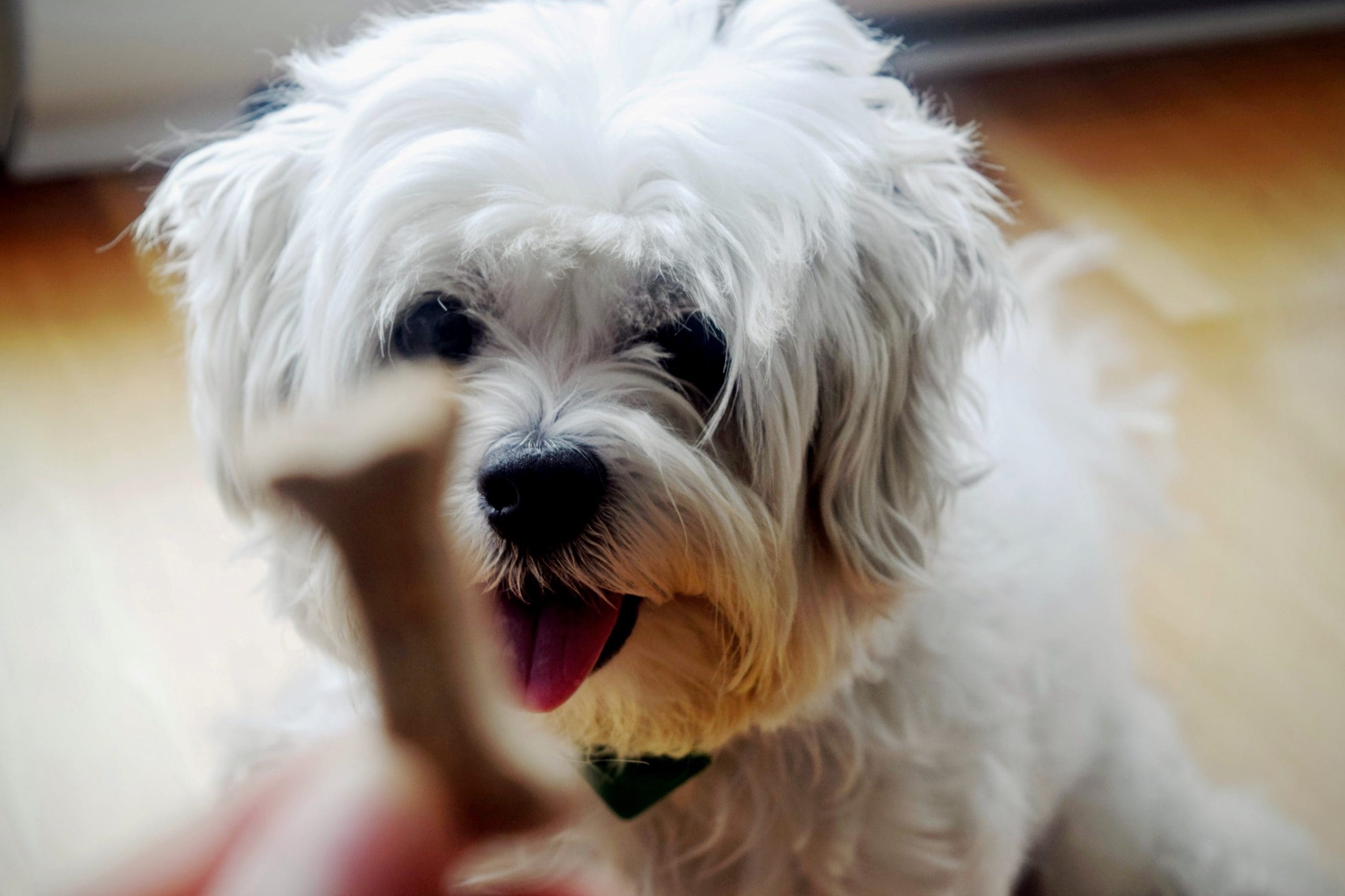
Why Does My Dog Lick The Couch?
If you’ve noticed your dog licking the couch, you’re not alone. This curious behavior is common among many dogs, and while it may seem odd, there are several underlying reasons worth exploring. Exploring Their Environment Dogs often lick objects to gather information about their surroundings. The couch, with its distinct texture and smells, can be…
-
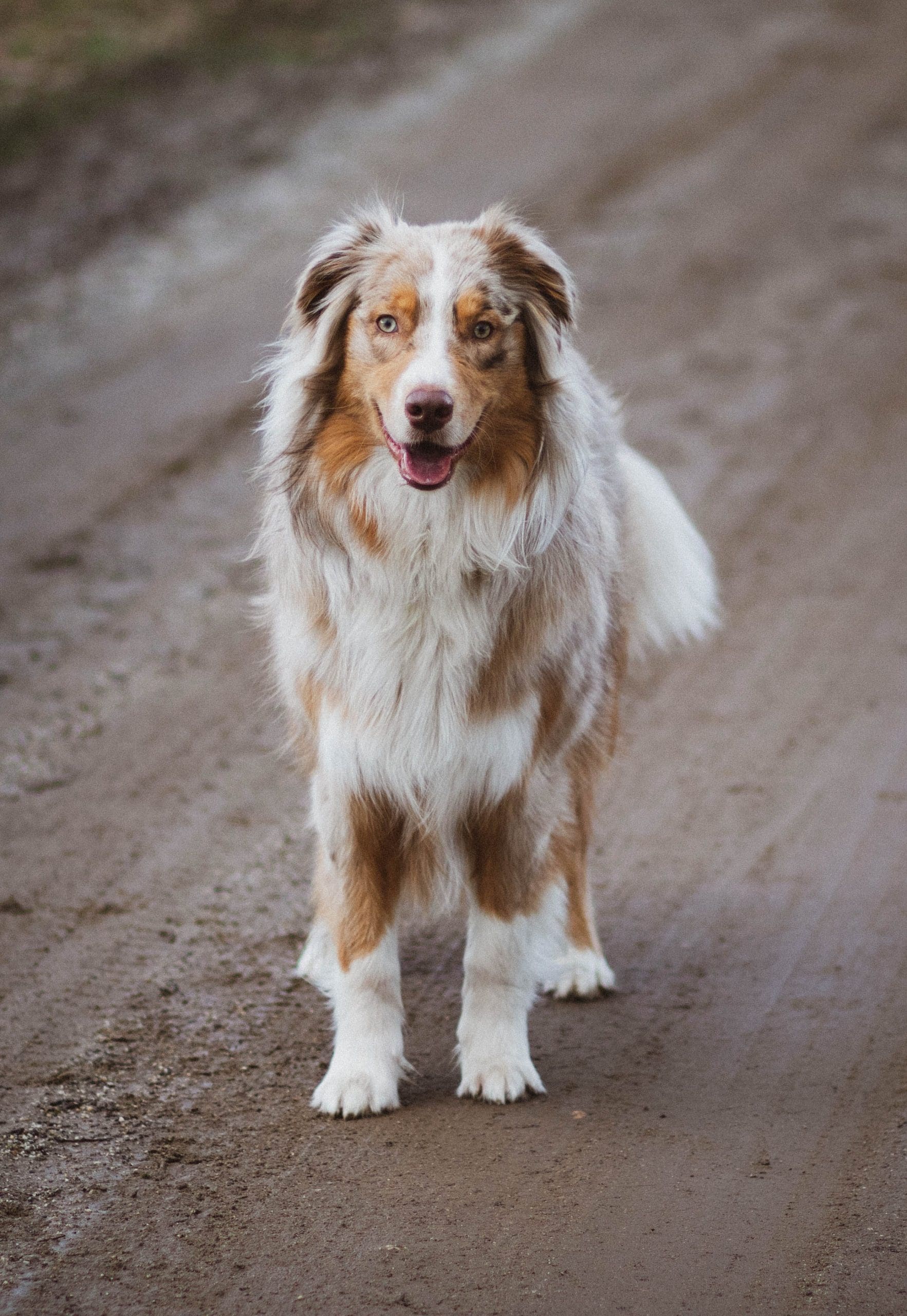
Why Do Dogs Stick Their Tongue Out?
Dogs have a charming way of expressing themselves, and one of the most delightful sights is when they stick their tongues out. This behavior often prompts dog owners to wonder about the reasons behind it. Several factors, including physical needs, emotional states, and breed characteristics, contribute to this behavior. Temperature Regulation One of the main…
-

What Is Morkie Dog?
A Morkie combines traits of the Maltese and the Yorkshire Terrier and is commonly kept as a companion dog with a mix of features from both parents. What Is a Morkie? A Morkie is a hybrid dog produced by crossing the Maltese with the Yorkshire Terrier, resulting in what is often called a designer or…
-
How Long Can A Dog Have Worms Before It Dies?
Worms that infect dogs include intestinal species and heart-invading parasites that affect health in different ways and require species-specific diagnosis and care. Common canine worms Several parasite groups commonly infect dogs, including roundworms, hookworms, tapeworms, whipworms, and heartworms; these groups differ in typical life cycle and target tissues [1]. Roundworms (for example Toxocara spp.) often…
-

How Big Is A Cane Corso?
The Cane Corso is a large, muscular Italian mastiff-type dog known for its solid build and guardian instincts. Quick size snapshot Adult Cane Corsos commonly stand about 25–27.5 in (64–70 cm) at the withers for males and about 23.5–26 in (60–66 cm) for females[1]. Typical adult weight commonly falls near 99–110 lb (45–50 kg) for…
-

Why Is My Dogs Poop White?
White, pale, or clay-colored dog stool can be startling and usually indicates a change in digestion, diet, or bile flow rather than a normal variation. Identifying whether the appearance is powdery, pale, greasy, or consistently changed will help narrow the likely causes. Normal dog stool characteristics Most healthy adult dogs defecate once to twice daily,…