
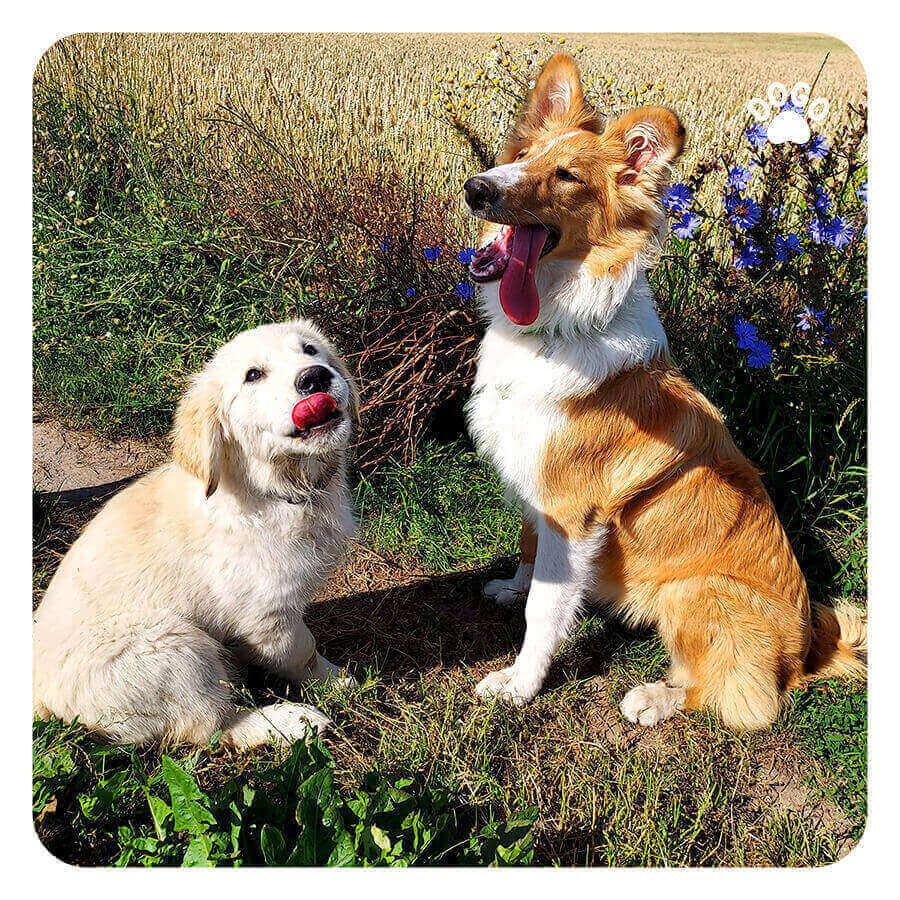
Sniff-Along Walk vs. Normal Walk
Post Date:
July 18, 2024
(Date Last Modified: November 13, 2025)
Dogs benefit from both structured, fitness-focused walks and slower, scent-driven outings; the two approaches differ in their immediate aims and how owners should manage the dog during the outing.
1. Definitions & Key Differences
A sniff-along walk prioritizes a dog’s ability to investigate scents, often allowing the dog to pause, nose the ground, and trace odor trails with minimal correction. A normal walk emphasizes steady locomotion at a consistent pace, with more frequent owner prompts to maintain direction and speed.
Sniff-along walks typically proceed at a much slower cadence compared with brisk normal walks, often reducing forward distance traveled by roughly 30% on the same time budget;[1] this reflects the walk’s exploratory structure rather than a focus on mileage or cardiovascular load. Leash freedom differs: sniff-along outings commonly use loose-leash approaches that tolerate frequent stops, while normal walks favor shorter leashes or active traction to keep the dog moving toward the destination.
The primary objective of a sniff-along session is olfactory enrichment and mental engagement, whereas the primary objective of a normal walk is aerobic exercise and calorie expenditure.
2. Physical Exercise: Intensity & Metrics
A typical brisk normal walk for an adult dog often covers about 1.5–3 miles (2.4–4.8 km) in 30 minutes depending on breed and pace;[2] by contrast, a 30-minute sniff-along may cover 0.5–1.5 miles (0.8–2.4 km) because of frequent pausing and lateral searching.
Caloric expenditure varies by speed and gait; a general rule of thumb is roughly 3–5 kcal per pound per mile for walking-level exertion in dogs, so a 40‑lb dog walking 2 miles may expend about 240–400 kcal during that activity;[2] sniff-dominant walks usually burn fewer calories per minute but increase low-intensity movement and sniffing-related head/neck muscular activity.
Heart-rate responses differ: steady brisk walking produces a sustained moderate heart-rate elevation, while sniff-along walks produce more variable spikes and recoveries tied to investigative bouts; monitoring with a canine heart-rate monitor often shows shorter duration elevated zones during sniffing compared with continuous brisk locomotion.[2]
Suitability varies by age and health: young, high-energy breeds typically tolerate and often require daily bouts of moderate-intensity exercise (for example, two 30‑ to 45‑minute normal walks per day for active breeds), while geriatric or mobility-limited dogs may benefit more from multiple shorter sniff-along sessions that promote movement without sustained cardiovascular load.[2]
| Metric | Sniff-Along Walk | Normal Walk |
|---|---|---|
| Distance (30 min) | 0.5–1.5 mi (0.8–2.4 km)[2] | 1.5–3.0 mi (2.4–4.8 km)[2] |
| Primary goal | Olfactory enrichment | Cardio/fitness |
| Leash style | Loose leash / long line | Shorter leash / controlled |
| Typical energy burn | Lower per minute but high variability | Higher steady burn per minute[2] |
3. Cognitive & Emotional Enrichment
Scent work engages large portions of a dog’s brain by providing complex, layered stimuli; structured sniffing sessions are associated with measurable cognitive engagement and reduced indicators of boredom in observational studies.[3]
Practically, dogs will spend substantial portions of an outing sampling the environment: observational reports indicate dogs may dedicate up to 50% of free-roam time during a walk to sniffing and environmental investigation, which supports mental fatigue similar to puzzle tasks.[3]
Regular scent-based outings have been linked with decreased stress-related behaviors such as repetitive pacing or nuisance chewing in shelter and home settings, with long-term welfare improvements when incorporated into daily routines.[3]
4. Behavioral & Training Implications
Allowing sustained sniffing without boundaries can temporarily lower responsiveness to recall; if owners need reliable recall, limit free-sniffing periods to short intervals or pair sniffing with high-value cue-based returns.[4]
Use reinforcement strategies that respect the walk type: during a sniff-along, reinforce calm investigation with low-rate treat delivery or verbal praise; during normal walks, reinforce attentive walking and recall with intermittent higher-value rewards. For structured training, use 3–5 second windows of focused reward timing to shape desired behaviors during the outing.[4]
To manage overstimulation, interrupt intense sniff-fixation with brief directional changes or a short recall that is reliably reinforced; doing so every 5–10 minutes helps re-establish owner control without fully extinguishing exploratory benefits.[4]
5. Socialization & Interaction Effects
Controlled sniff-based introductions can help dogs exchange information without escalating tension; allow three to five minutes of supervised, parallel sniffing at a safe distance when first introducing unfamiliar dogs and observe body language closely.[5]
Risk of resource guarding or confrontations increases when dogs are crowded around a concentrated scent source or food; supervise group sniffing and remove highly valued items to reduce competition in multi-dog settings.[5]
Guidelines for safe exposure include keeping initial supervised sniff interactions short and on-leash until both dogs exhibit relaxed postures, then gradually allowing closer inspection under owner control.
6. Safety, Health Risks & Contraindications
Environmental hazards for sniff-along walks include ingestion risks (e.g., discarded food, toxins), parasite exposure, and contact with sharp objects; owners in high-risk areas should limit ground-level exploration and increase vigilance.[2]
Medical conditions that limit sniffing or exertion include advanced osteoarthritis, uncontrolled cardiac disease, and severe respiratory disorders; for example, dogs with clinically significant heart disease often require reduced sustained exertion and shorter, slower sessions as recommended by a veterinarian.
Hydration and fluid needs are important in hot conditions: a conservative maintenance fluid estimate for an adult dog can be about 50 mL/kg/day, and acute increases for heat exposure or exertion should be guided by a veterinarian.[1]
Carry a basic first-aid kit and be ready to perform simple interventions; in the event of suspected toxin ingestion, heat stroke, or trauma, contact veterinary emergency services immediately and follow triage guidance from veterinary authorities.[2]
7. Duration, Frequency & Pacing Guidelines
For most adult dogs, a balanced weekly program might include a mix of walk types such as one or two daily normal walks of 20–45 minutes plus one or two shorter sniff-along sessions of 10–30 minutes depending on energy level and age.[2]
Puppies and geriatric dogs benefit from more frequent, shorter sessions: puppies often do best with multiple brief sniff-and-play breaks totaling 10–15 minutes per hour of supervised activity, while older dogs may respond better to several 5–15 minute sniff-along outings spread through the day.
When combining walk types in a single outing, start with a 5–10 minute warm-up of easy walking, allow a 10–20 minute sniff-along middle for enrichment, then finish with 5–15 minutes of brisk walking to elevate heart rate and conclude the outing.
8. Route, Terrain & Environmental Considerations
Choose scent-rich environments like edges of wooded trails, hedgerows, and quiet green spaces for sniff-along walks; select open sidewalks, tracks, or continuous paths for efficient normal walks to maximize steady pace. Urban areas often present more discarded items and vehicle traffic, so prioritize elevated sidewalks and off-peak times for sniffing to reduce ingestion and traffic risks.
Seasonal factors matter: in hot weather, avoid midday exertion and favor early morning or evening sessions, and in winter consider shorter ground contact times to limit paw pad exposure to salt and ice-melt chemicals.
Respect local rules such as leash laws, and avoid wildlife-sensitive habitats where frequent sniffing could disturb nesting or denning animals.
9. Gear, Leash Techniques & Practical Setup
- Harnesses with front-clip or no-pull designs for steering control during normal walks.
- Long lines (10–20 ft) or extendable leads for safe sniff-along freedom where permitted.
- Hands-free belt systems for owners who want mobility while maintaining control.
- Head collars for strong pullers during short structured exercise sessions, used only with training and proper fit.
- Carry treats, waste bags, a collapsible water dish, and weather-appropriate gear such as a raincoat or paw balms.
10. How to Run a Sniff-Along Walk (Step-by-step)
Pre-walk checks: verify collar/harness fit and leash condition, bring water, and scan the route for immediate hazards. Warm up with a few minutes of loose leash walking to allow the dog to orient to the environment.
Encourage natural sniffing by relaxing leash tension and allowing the dog to lead at a safe pace; if using a long line, keep it loose but ready to reel in if needed. Allow 5–20 minute blocks of continued sniffing depending on the setting and the dog’s responsiveness, then briefly reassert owner-directed walking to maintain engagement and safety.
End the session with a calming cue and brief play or a final recall that is consistently reinforced; post-walk routines should include water, a quick paw and coat check, and removal of debris to reduce parasite or toxin transfer.
11. Choosing Which Walk When: Use Cases & Decision Criteria
Match walk type to the goal: choose a normal walk when the priority is cardiovascular conditioning, weight management, or brisk time-efficient exercise; choose a sniff-along when the priority is cognitive enrichment, stress reduction, or rehabilitation that limits sustained exertion.
Account for temperament and constraints: anxious dogs often gain confidence from controlled sniff exposure, while highly driven breeds may need longer or more intense normal walks to expend excess energy. If time is limited, prioritize a shorter brisk walk to meet exercise needs, and add a 10–15 minute sniff-along when time permits for enrichment benefits.
Sample daily schedule for a moderately active adult dog: one 30–45 minute normal walk in the morning for sustained exercise, a midday 10–20 minute sniff-along for mental stimulation, and a short 15–30 minute evening walk that combines elements as needed.
Sources
