


Category: Puppy Training
-

How Long Should Be a Training Session?
Deciding how long a training session should be requires matching time to the learning goals, learners, and delivery mode so the session achieves targeted outcomes without causing unnecessary fatigue. Learning Objectives and Desired Outcomes Session length should be set based on the depth of the learning objective and whether the goal is knowledge, comprehension, application,
-
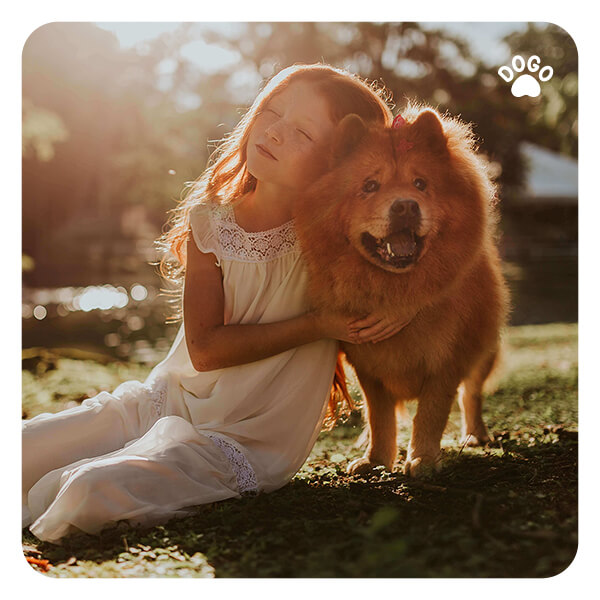
Children Training Dogs
Children training dogs combines caregiving tasks with basic obedience work and supervised interactions to promote a safe, cooperative household relationship between young people and pets. Benefits for Children and Families Short, frequent training sessions of 5–10 minutes support focus, predictable routines, and steady progress for both children and dogs[1]. Assigning two to three simple daily
-

Puppy Potty Pads: Yes or No?
Puppy potty pads are a common option for indoor elimination, and owners often weigh convenience against long-term housetraining outcomes. Puppy bladder development and learning timeline Many puppies begin to develop daytime bladder control between 12 and 16 weeks of age, which helps owners estimate when more independent housetraining is realistic.[1] Breed and size matter: smaller
-

When and How to Socialize Your Puppy?
Practical timing, safe exposure, and consistent handling are core considerations when socializing a puppy. Below are structured recommendations for when and how to introduce puppies safely to people, animals, places, and routines. Why socialization matters Early social exposure shapes how a dog interprets people, other animals, and novel situations later in life. Positive early experiences
-

How to House-Train Your Dog? Potty Training
Potty training aligns a dog’s natural elimination habits with household routines to reduce accidents and build reliable toileting behavior. Understanding Canine Potty Behavior Puppies commonly need bathroom breaks every 1–2 hours while awake, which reflects immature bladder control during early development [1]. Adult dogs often can wait about 4–6 hours between opportunities, though age, health,
-

Potty Training. When to Start?
Potty training is the developmental transition from diapers to independent toileting. Families choose when to begin based on a mix of child development, health, and household factors. Why timing matters When timing aligns with a child’s developmental readiness, training tends to be shorter and less stressful for both child and caregivers; many pediatric sources note