
Category: Positive Dog Training
-
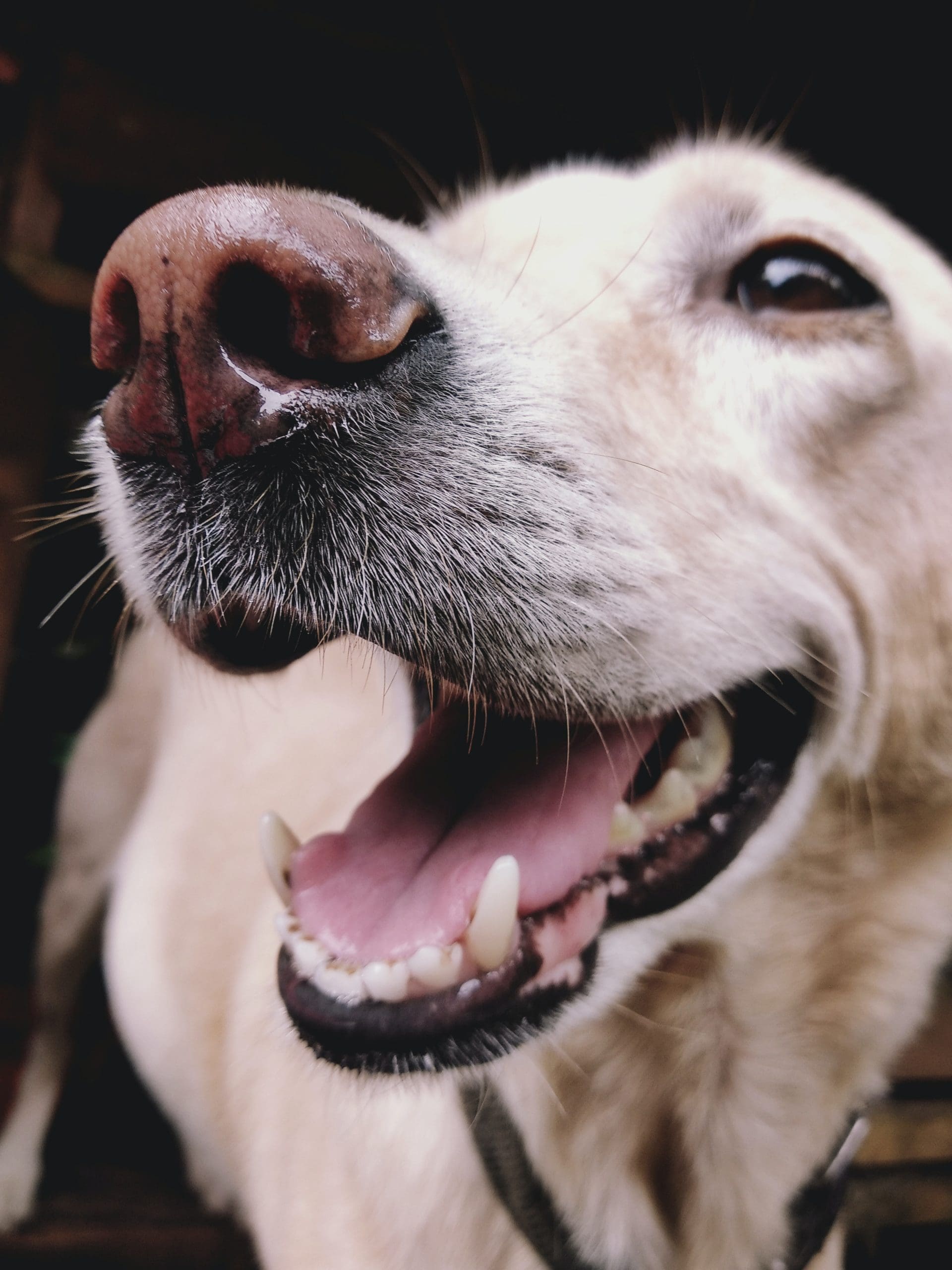
What causes mange in dogs?
Mange matters because it’s one of those problems that looks small at first—an itchy patch, a thinning coat—but can quickly affect an entire household, derail a new adoption, or lead to costly veterinary care if ignored. Recognizing the causes and early signs helps you protect your dog, other pets, and people in the home. Mange…
-

How to cook a dog?
Questions about “how to cook a dog” often come from different places: a language mix-up, historical curiosity, shock-seeking, or a genuine but misdirected desire to care for a canine’s diet. As someone who works with dogs and their families, I typically see that clarifying intent lets us move toward safe, ethical options that respect the…
-

Why does my dog eat toilet paper?
If you’ve walked into a bathroom and found your dog unrolling or chewing a roll of toilet paper, you’re not alone—and you’re exactly the person who benefits from a clear, practical explanation. That moment can feel odd, frustrating, or worrying depending on whether you’re dealing with a five-month-old puppy, a high-energy adult, or an older…
-

Why do dogs hump?
If you love dogs and share your home with one or more, humping is a behavior you have probably noticed and wondered about: a puppy mounting a stuffed toy, an adult male mounting a visiting friend’s dog, or a dog suddenly starting to hump a person during greetings. Understanding why dogs hump matters because it…
-

When do dogs balls drop?
Understanding when a puppy’s testicles should descend is a small but important piece of caring for male dogs. For everyday caretakers, breeders and anyone planning reproductive choices, knowing the normal timeframe, the signs of trouble, and the practical steps to take can prevent pain, preserve fertility when possible, and avoid surprises at the veterinary clinic.…
-
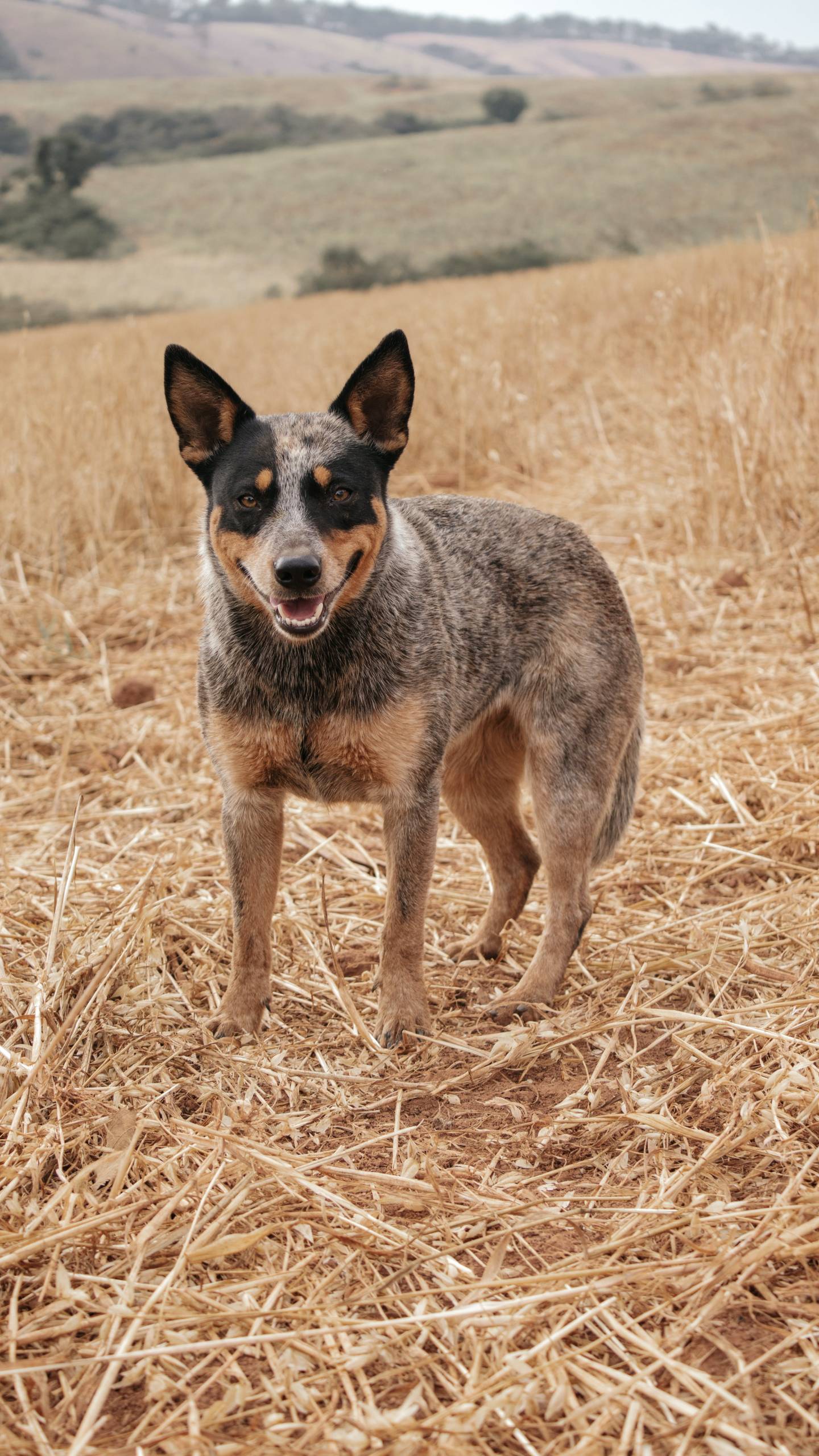
How many times should a dog mate to get pregnant?
Breeding decisions bring practical questions that matter to anyone who keeps dogs: how often should a female dog mate to become pregnant, when to time those matings, and how to protect the health of both dogs and future puppies. The short numerical answer matters, but the reason it matters is biological — timing, sperm survival,…


