
Category: Positive Dog Training
-

What kind of dog is rocky from paw patrol?
Rocky from Paw Patrol often draws attention from people who love dogs because he combines a recognizable dog-ish look with a clear personality: resourceful, busy, and always ready to fix a problem. For a dog lover, that mix of traits invites questions about what kind of real dog might behave that way and how to…
-

What to feed a 6 week old puppy without mom?
Finding a six‑week‑old puppy without its dam is an emergency that often lands in the laps of rescuers, foster volunteers, and caring owners. I typically see these situations after litters are separated too early, mothers are lost or sick, or pups are found dumped. At this age puppies are still finishing important developmental steps and…
-

Do dogs know what kisses are?
Many dog lovers pause before planting a kiss on their pet because it feels like a natural expression of love, yet we also wonder whether our dogs understand what a kiss means. This matters in everyday life: kisses are part of greetings, comfort after a vet visit, a reward during play, or a way children…
-

How to clean dogs eyes?
Keeping a dog’s eyes clean and comfortable matters more than many owners realize: sore, irritated eyes reduce a dog’s quality of life, can interfere with vision, and often prevent the kind of calm close contact we all enjoy. I typically see owners reach for cleaning after noticing constant tearing, crusty build-up along the lids, or…
-
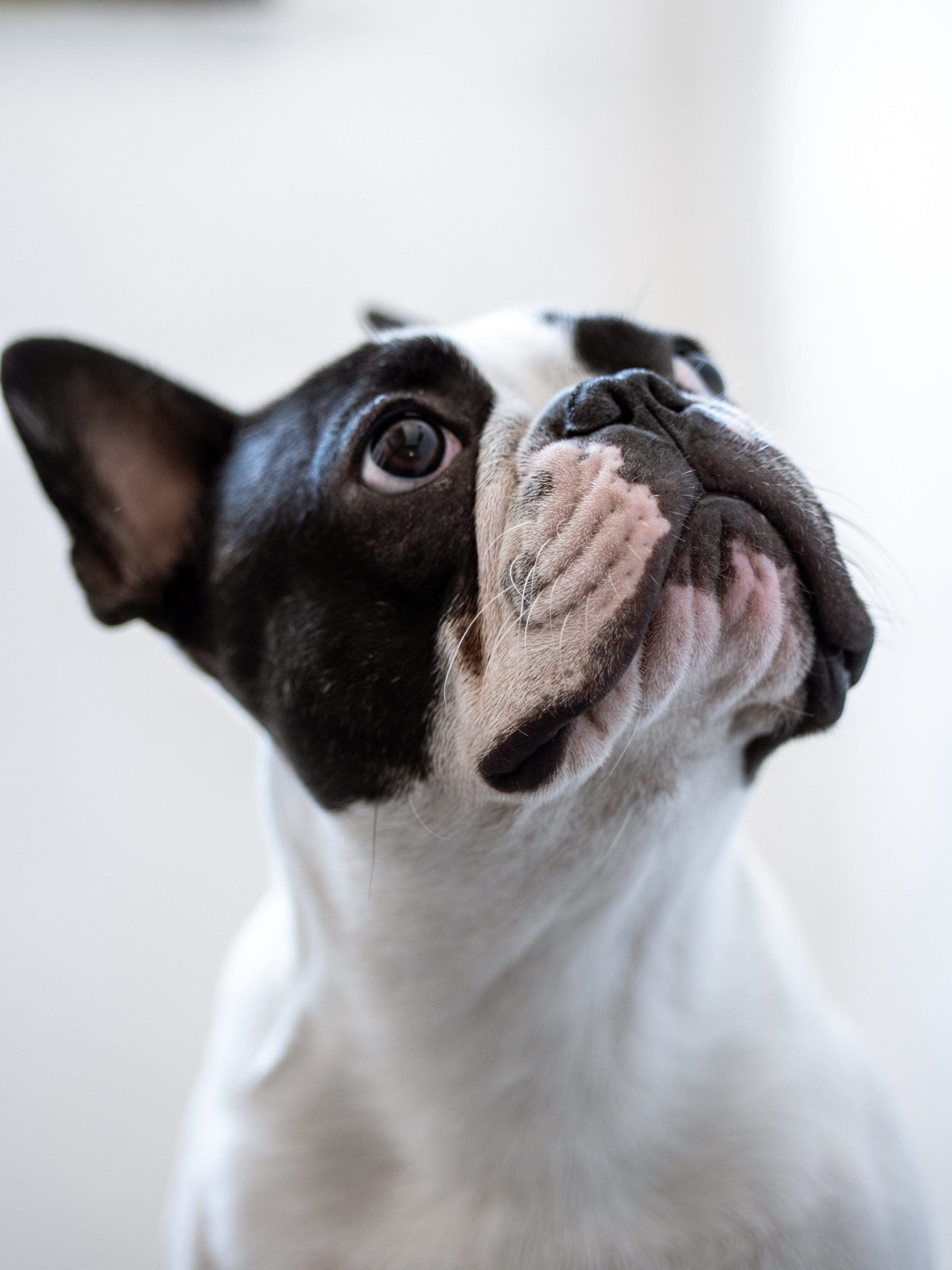
How much is dog sitting per day?
If you love dogs, planning for care when you can’t be there is practical and often emotional—knowing when to hire a sitter, what that will cost each day, and how to keep your dog safe makes time away less stressful for everyone. Do you need a dog sitter? Common situations when owners hire one Dog…
-
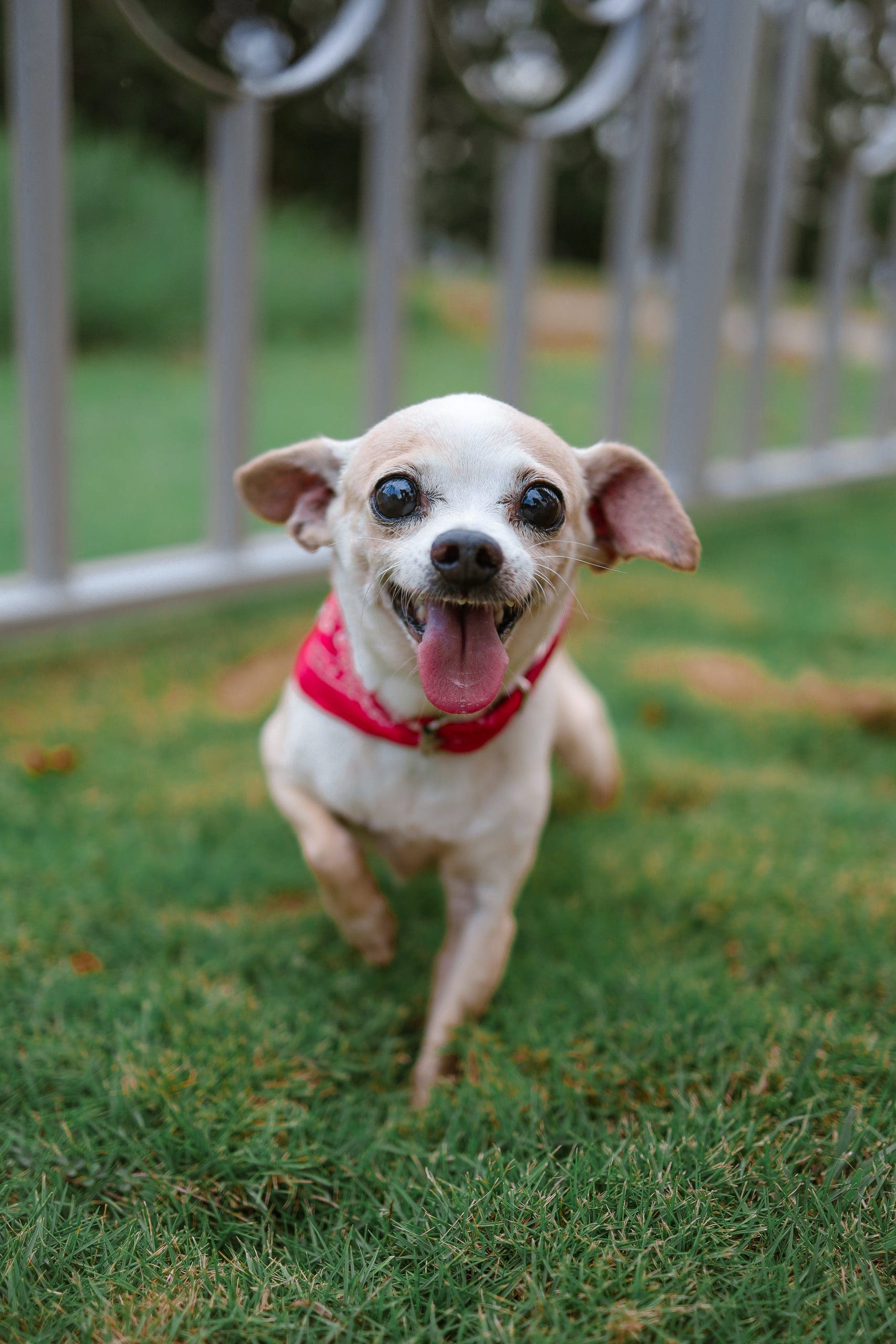
Why do dogs have anal glands?
As a veterinarian who has examined many anxious owners and their dogs, I find the question “Why do dogs have anal glands?” comes up more often than you might expect. Understanding these small structures helps reduce worry, guides better grooming and feeding choices, and explains behaviors that can be embarrassing or alarming—like scooting across the…


