
Category: Positive Dog Training
-

10 Friendly Dog Breeds
A selection of dog breeds is presented with brief notes on temperament and care. Labrador Retriever Labradors are outgoing and reliably social with family members and guests, often described as steady and eager to engage in play and work. Adult males typically weigh 65–80 lb (29–36 kg). [1] They generally benefit from about 60 minutes…
-
Stay Active Program
The Stay Active Program provides a structured approach to maintain and improve physical function across diverse adult populations through progressive, adaptable activity modules and supportive behavior-change strategies. Program Purpose & Principles The core mission is to reduce functional decline and increase safe, sustainable physical activity by combining exercise science with behavior-change methods rooted in current…
-

Basic Obedience Program
Basic obedience training establishes clear expectations for a dog’s behavior and creates a repeatable framework for teaching and maintaining skills across home and public settings. Program goals and outcomes Define behavioral goals that are observable and measurable so progress can be tracked objectively; examples include sit-on-leash under distraction, consistent recall from off-leash at distance, and…
-
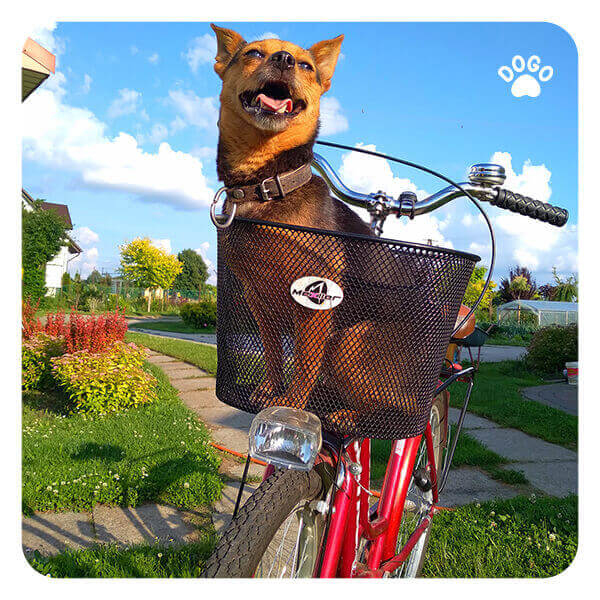
How to Take Your Dog on a Bike Ride
Taking a dog on a bike ride requires preparation across health, equipment, training, and safety so both rider and dog stay comfortable and secure. Dog Readiness and Health Assessment Confirm that your dog’s age, breed, size, and medical status match the physical demands of biking before you begin. Puppies younger than 12 months can have…
-
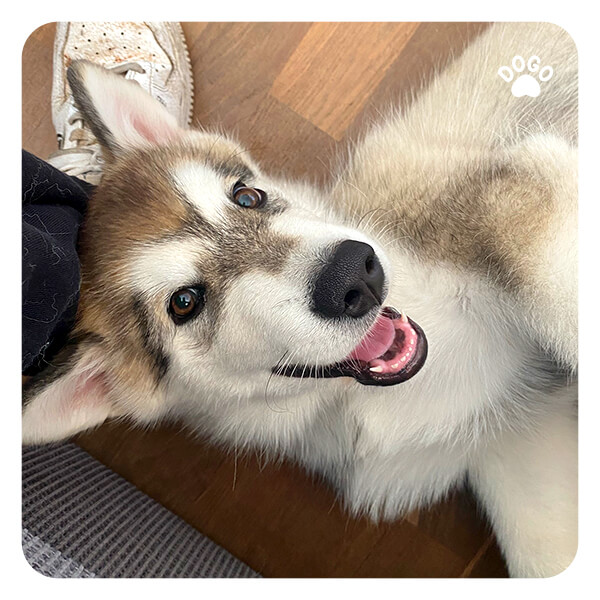
Does My Dog Love Me? How to Tell
Dogs show consistent patterns of behavior that researchers and trainers use to assess attachment and affection, and those patterns are best interpreted through observable signals rather than projecting human feelings onto the animal. What “love” means for dogs — defining canine affection Scientists and applied behaviorists separate attachment, social bonding, and anthropomorphic “love” by using…
-
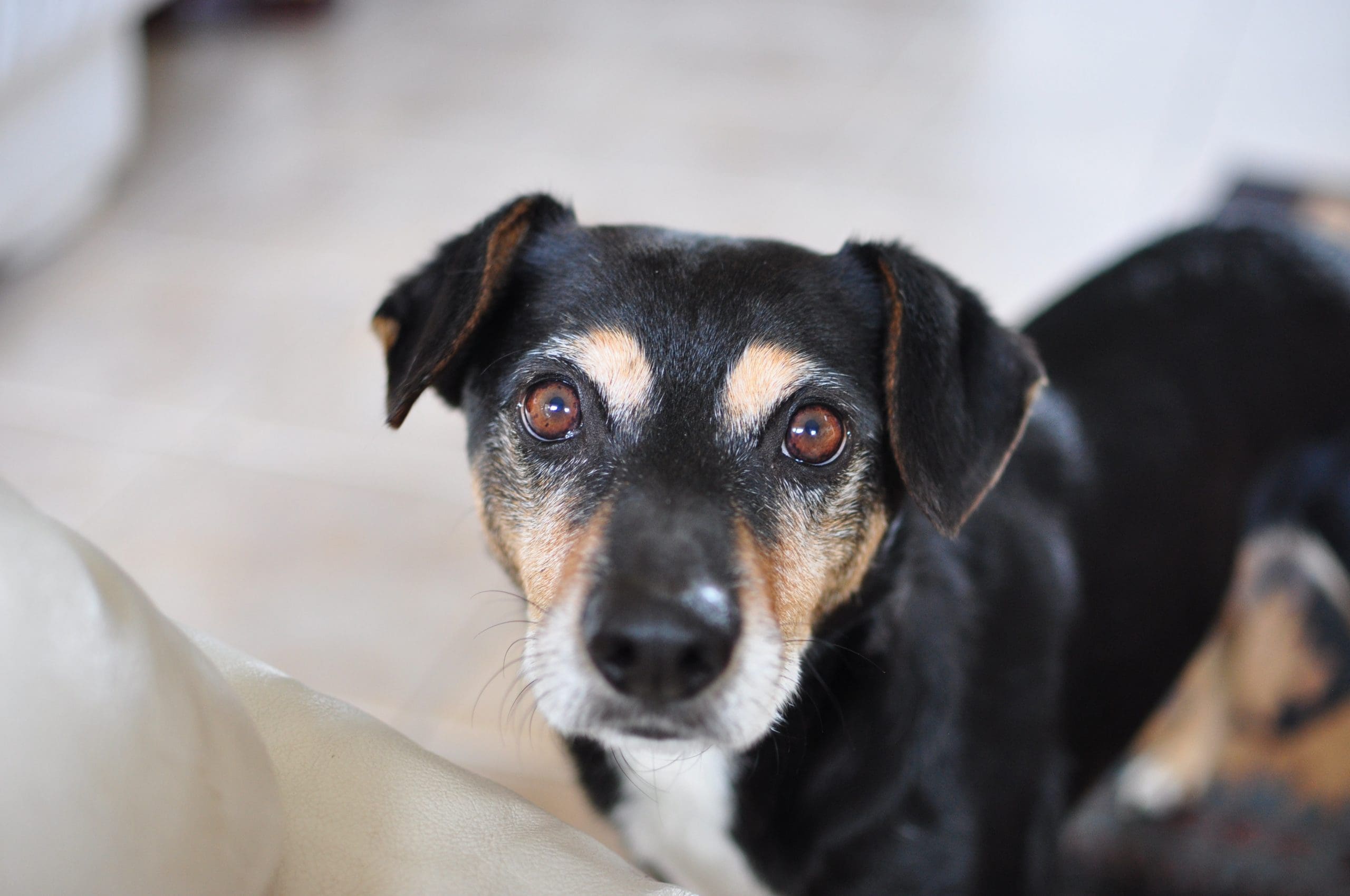
Why does my dog stare at me?
Dogs use their eyes to communicate in many ways, and the meaning of a stare depends on context, body language, and the relationship between the dog and the person. Observing the whole dog and the situation helps determine whether a stare is curiosity, a request, stress, or something medical. Canine Eye Contact: Basics and Meaning…