
Category: Positive Dog Training
-
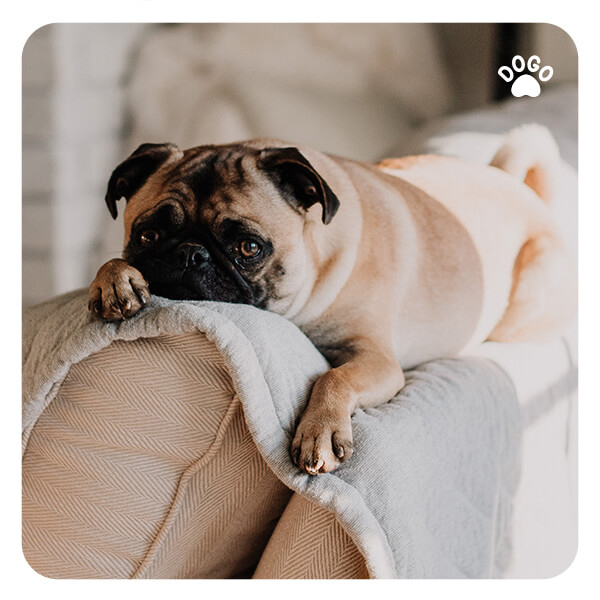
How to draw a pug?
A pug’s compact proportions and distinctive facial folds offer clear visual cues that guide a stepwise drawing process. Materials and workspace Set up a comfortable, well-lit area with room to rest your arm and a clear view of reference photos. Keep commonly used tools within easy reach to maintain flow while sketching. Paper: a 9
-
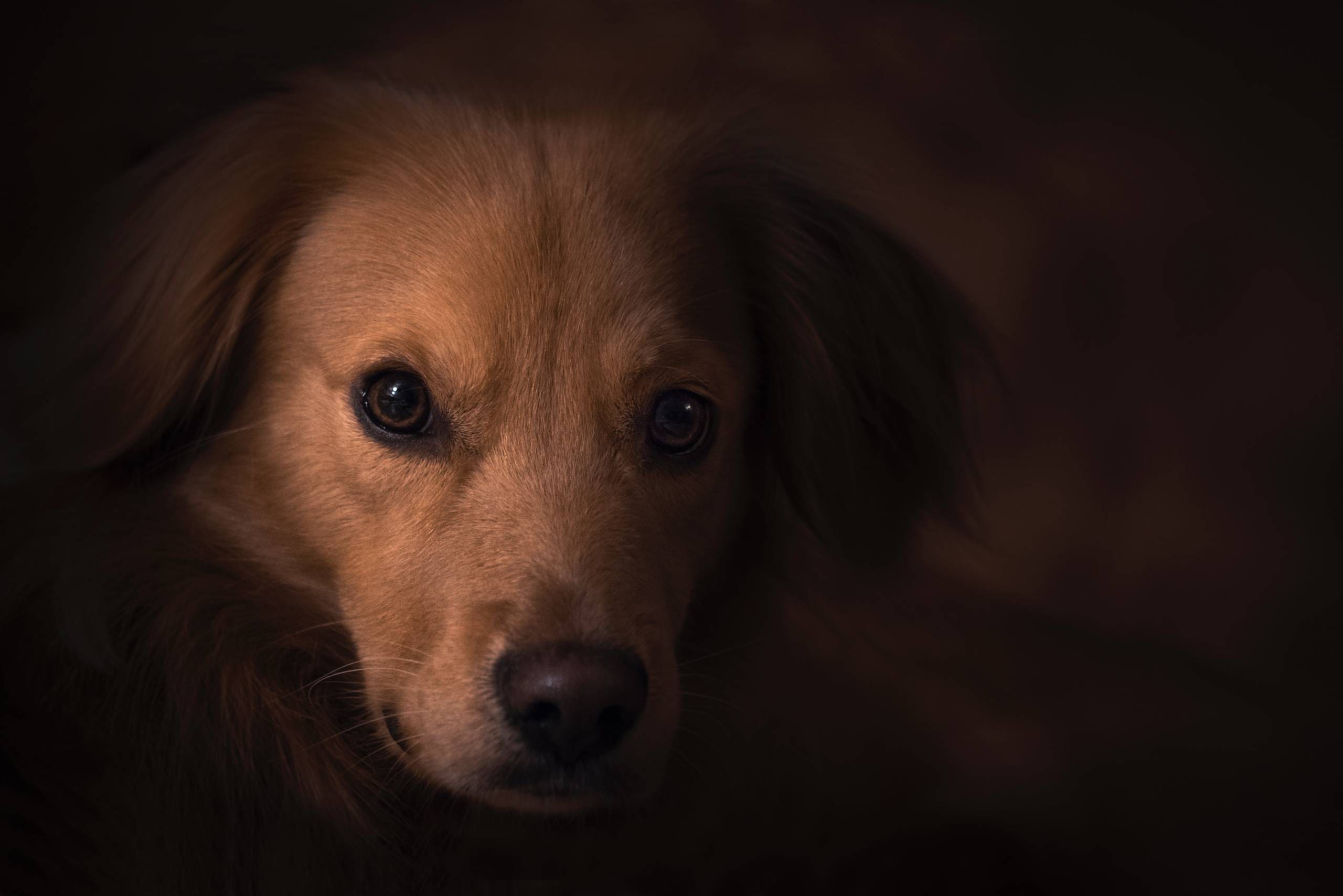
How to draw a dog face?
A focused start—clean tools, a comfortable workspace, and clear references—makes drawing a dog’s face easier to manage. Good light and an unobstructed view of reference images help keep lines confident and consistent. Materials and workspace Choose whether you will work on paper or digitally and set up a clear, uncluttered surface for your chosen medium.
-
Do NOT Repeat the Verbal Cue
Do NOT Repeat the Verbal Cue is a concise training rule that restricts handlers to a single spoken cue per opportunity to prompt an intended behavior. It focuses attention on precise delivery and predictable consequences so learners form a clear cue–response link. Definition and core principle The rule is stated simply as “give one verbal
-
6 Commands to Prevent Your Dog from Getting Lost
Key dog-handling cues and safety measures. Why reliable commands prevent lost dogs Strong, consistent commands give you predictable control and reduce the chances your dog wanders or fails to return. Prioritizing six core cues focuses training on the scenarios where dogs most often separate from handlers, and teaching those cues in order helps streamline practice
-

TOP 5 Dog Training Mistakes that Can Ruin Your Friendship
Strong training depends on clear communication, predictable structure, and attention to your dog’s emotional state to keep the relationship healthy and reliable. 1. Ignoring Canine Communication — Misreading or missing dogs’ body language causes misunderstandings that erode trust Dogs communicate primarily through body language, and effective handlers attend to a small set of reliable areas
-
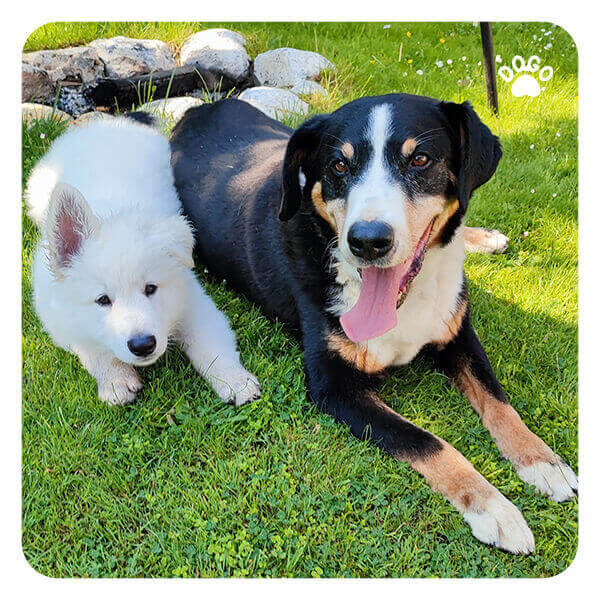
Greeting Other Dogs. What is the Etiquette?
Greeting other dogs is a routine part of canine life that affects safety, comfort, and social outcomes for both animals and people. Why Dog Greeting Etiquette Matters Proper greeting behavior reduces the likelihood of injury and stress by allowing dogs to exchange signals and assess one another calmly; allow 3–5 seconds for an initial sniff
