
Category: Positive Dog Training
-
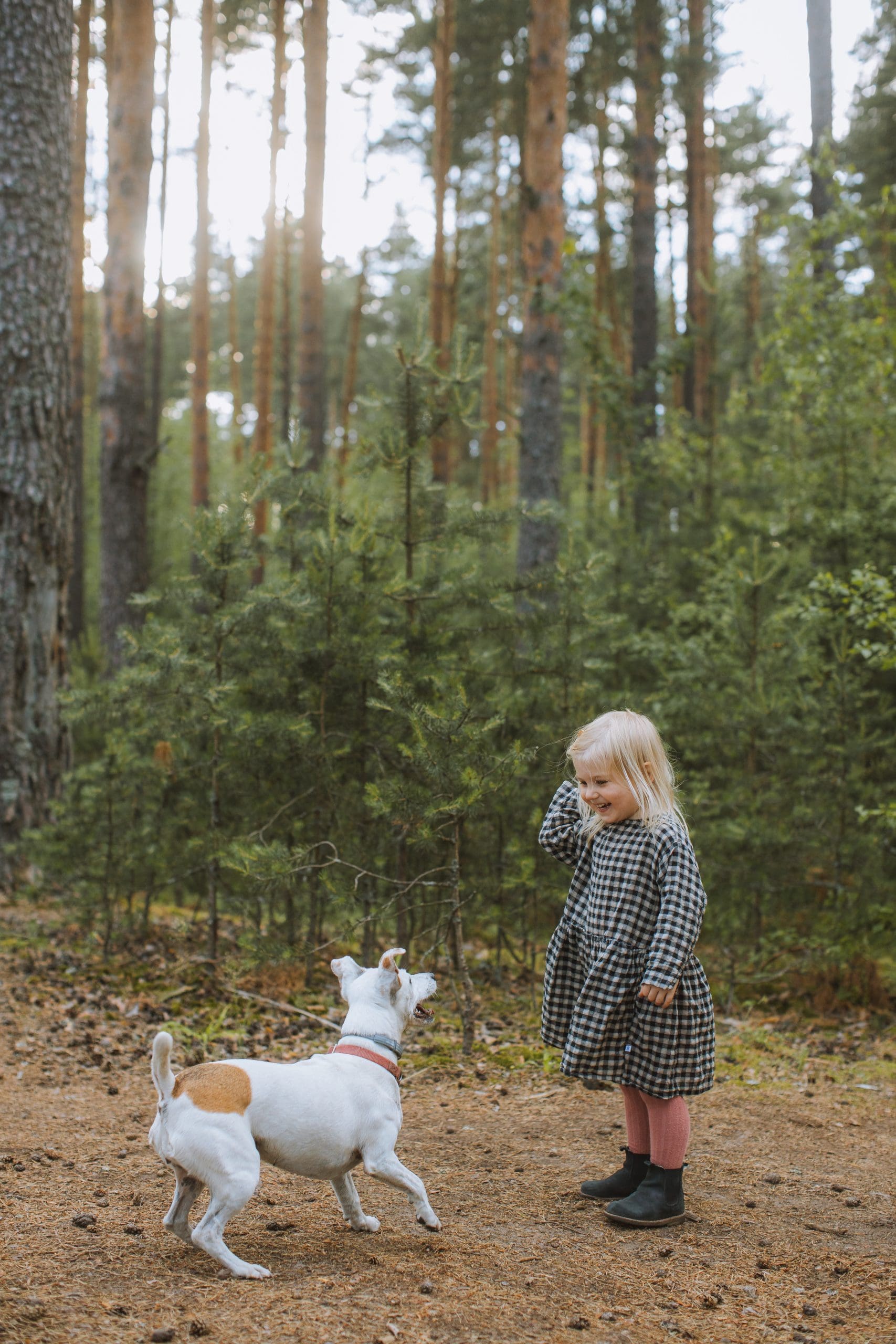
When were dogs domesticated?
As a behavior-focused veterinarian who has worked with dozens of breeds and mixes, I find the question “When were dogs domesticated?” matters to dog lovers not just as trivia but because it helps explain why your dog behaves the way it does, what traits are likely inherited, and how best to live with them. Understanding
-

Why is my female dog peeing so much?
Seeing your female dog urinate far more often than usual can be worrying. Whether you’re potty-training a new puppy, watching an elderly companion, or noticing a sudden change after a spay or during heat, the pattern of urination often holds clear clues—and some clues need fast action. This guide walks through what’s likely happening, why
-

Dogs sneeze when playing?
Dogs sometimes sneeze in the middle of a romping session and it can make an owner pause: is that a joke, a signal, or a problem? As a clinician who watches hundreds of play sessions, I find that a sneeze in play is usually a small, purposeful move packed with meaning. Understanding it helps you
-

What do dogs dream about?
Most dog owners have watched a sleeping dog twitch, whine, paddle its legs or utter a soft bark and wondered whether that is a dream. Paying attention to those moments matters because sleep is where a lot of your dog’s learning, emotion processing and physical restoration happens. Understanding what dogs may be dreaming about can
-
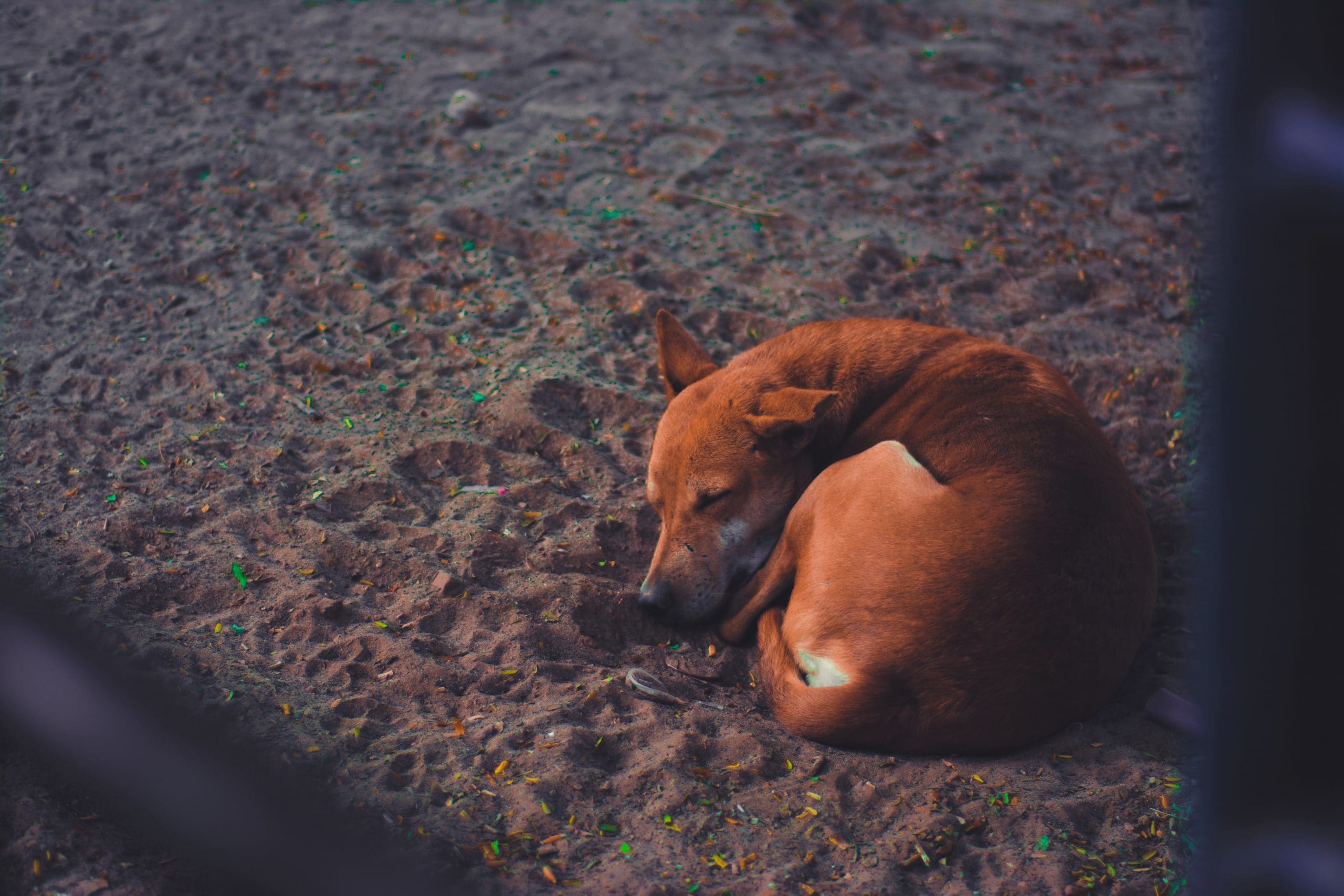
Why do people cut dog ears?
Understanding why people cut dog ears matters because it sits at the intersection of animal welfare, cultural tradition, and everyday ownership decisions. For a dog lover, knowing the history, the physical consequences, the legal context, and practical alternatives helps you advocate for individual animals, make informed choices about breeders or shows, and support humane, evidence-based
-

What do dogs with cataracts see?
If your dog has begun to bump into furniture, hesitate before jumping up, or appear uncertain on previously familiar walks, those changes may be as much about eyesight as attitude. I write here as a practitioner who has walked owners through the diagnostic steps and practical changes that help dogs with cataracts keep a good