
Category: Positive Dog Training
-

Where to watch reservation dogs?
Reservation Dogs is one of those shows that pulls you in by mixing quiet observations with sharp, sometimes raw humor—qualities that often resonate with people who care about animals. For dog lovers, the show offers more than plot: it supplies small, honest moments about loyalty, belonging, and the messy work of growing up, all in
-

How to treat a dog with a cold?
When a dog comes down with a runny nose, sneezing, or a cough, those symptoms can feel minor at first yet quickly worry any owner who knows how fast dogs can deteriorate or spread illness to others. Acting with calm, informed steps helps the dog feel better sooner, lowers risk to other dogs, and reduces
-
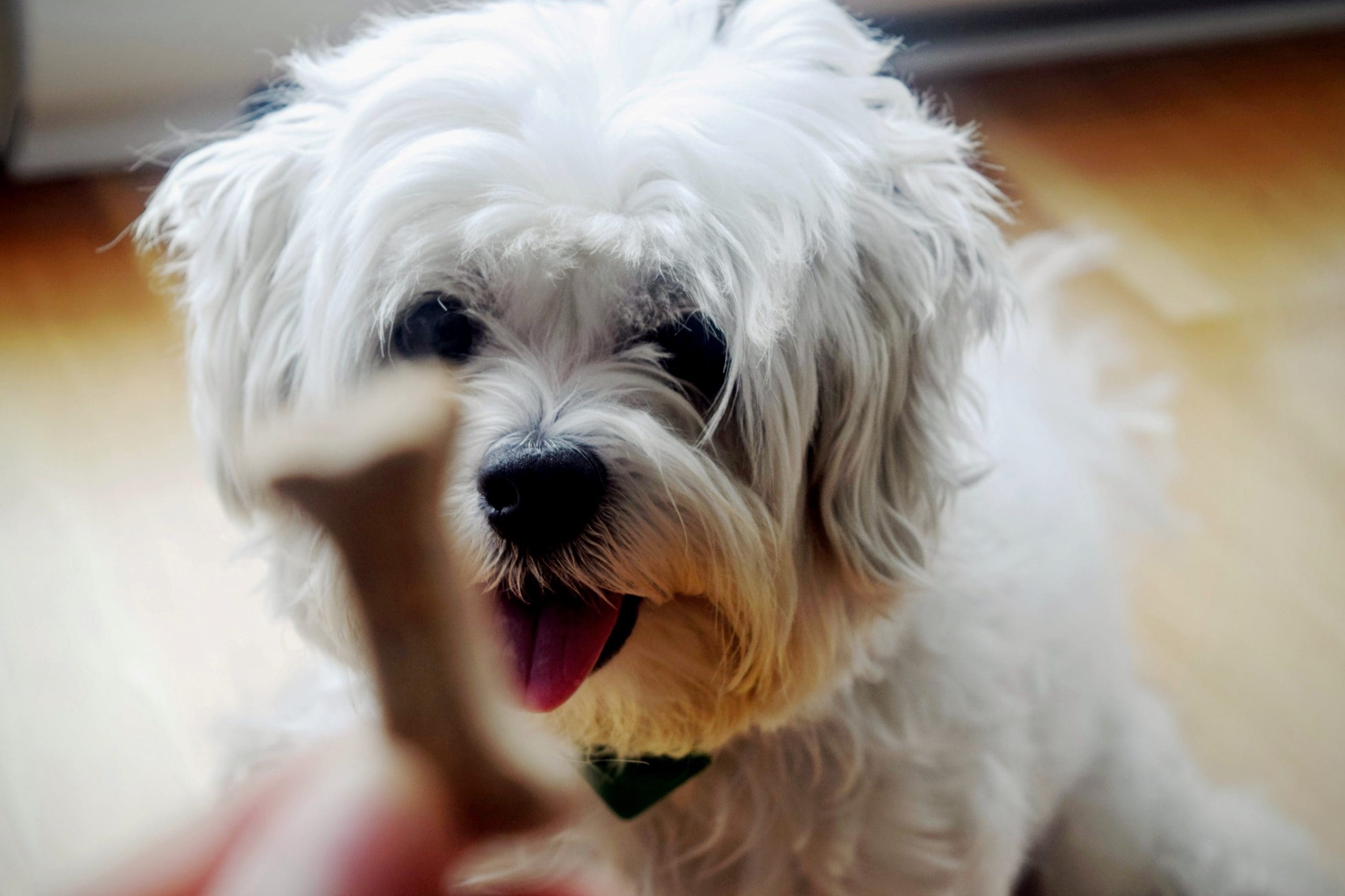
What is an esa dog?
For people who love dogs, understanding Emotional Support Animals (ESAs) matters beyond mere curiosity: it touches how we advocate for animals, protect vulnerable people, and keep public interactions safe and respectful. What dog owners should know about ESA dogs Dog lovers are often first responders in everyday moments where an emotional support dog can change
-
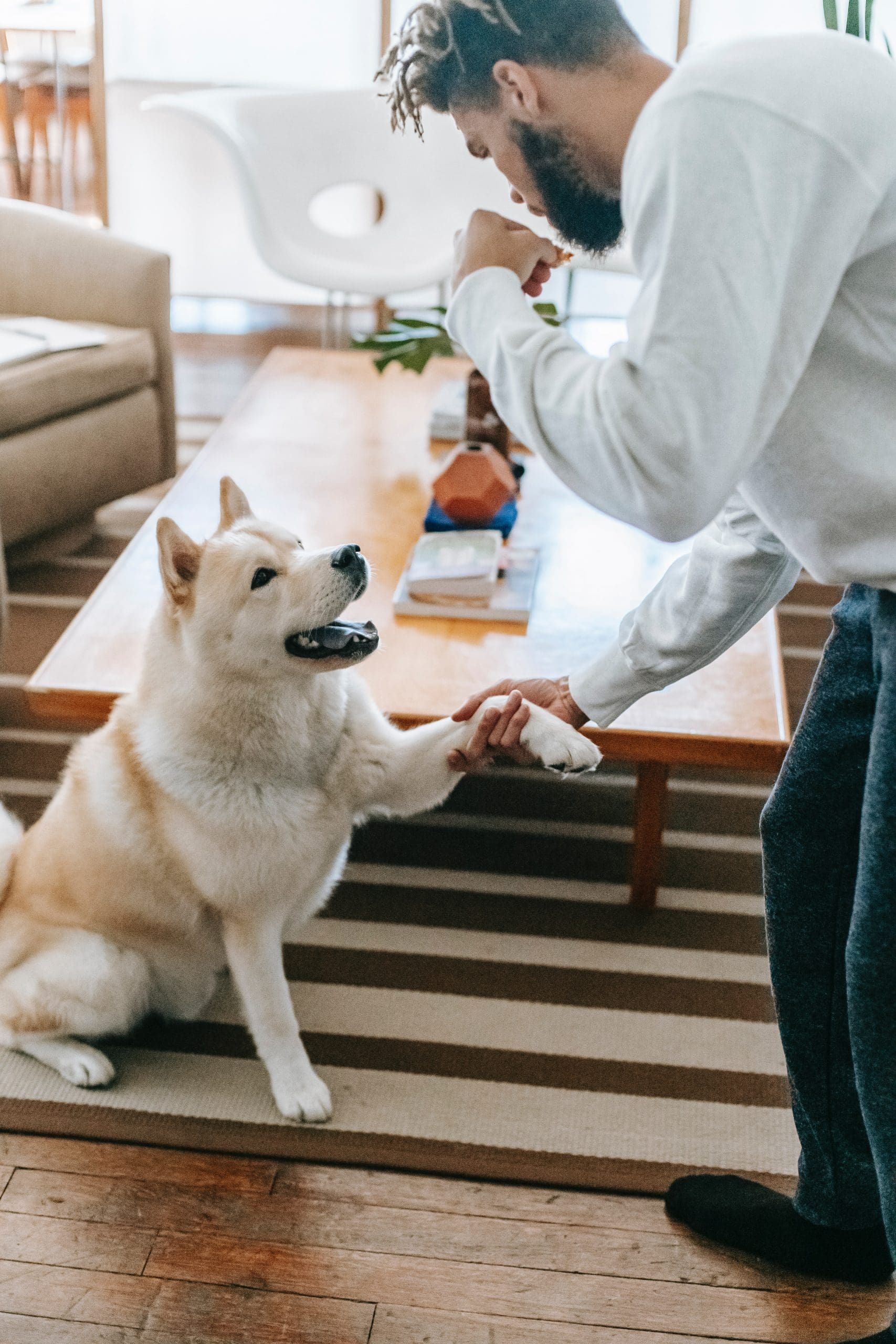
What causes anemia in dogs?
As someone who cares for dogs every day, watching for subtle changes in energy, color, or appetite can be the difference between a quick clinic visit and an emergency. Anemia is one of those conditions where early recognition matters for recovery and quality of life. Why every dog guardian needs to understand canine anemia Puppies,
-
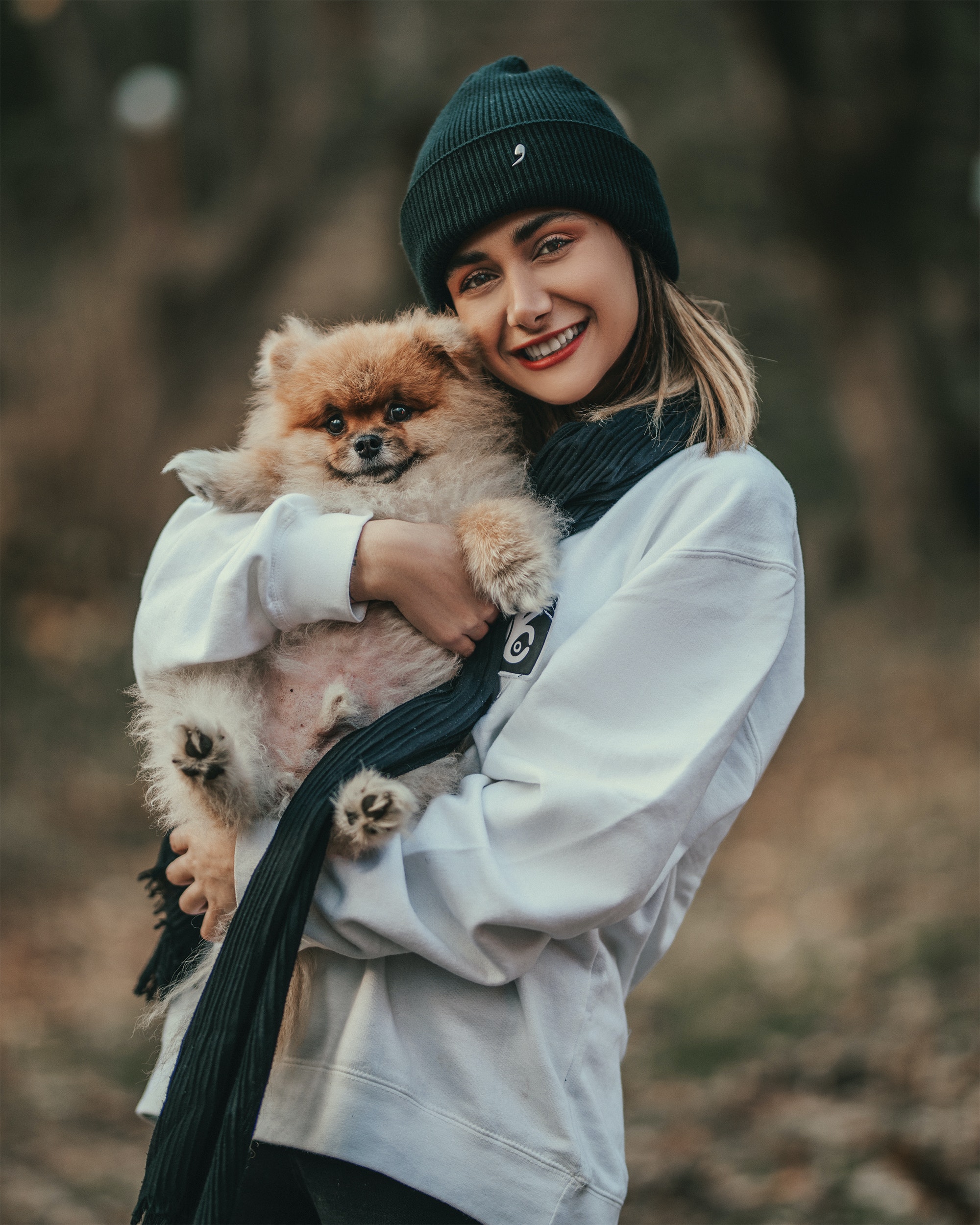
How much is a vet visit for a dog without insurance?
As a veterinarian who has worked in general practice and emergency clinics, I often see the shock on a dog guardian’s face when they get an unexpected bill. Understanding typical costs for veterinary visits when you don’t have pet insurance helps you make realistic care choices, plan a budget, and avoid delaying care that could
-
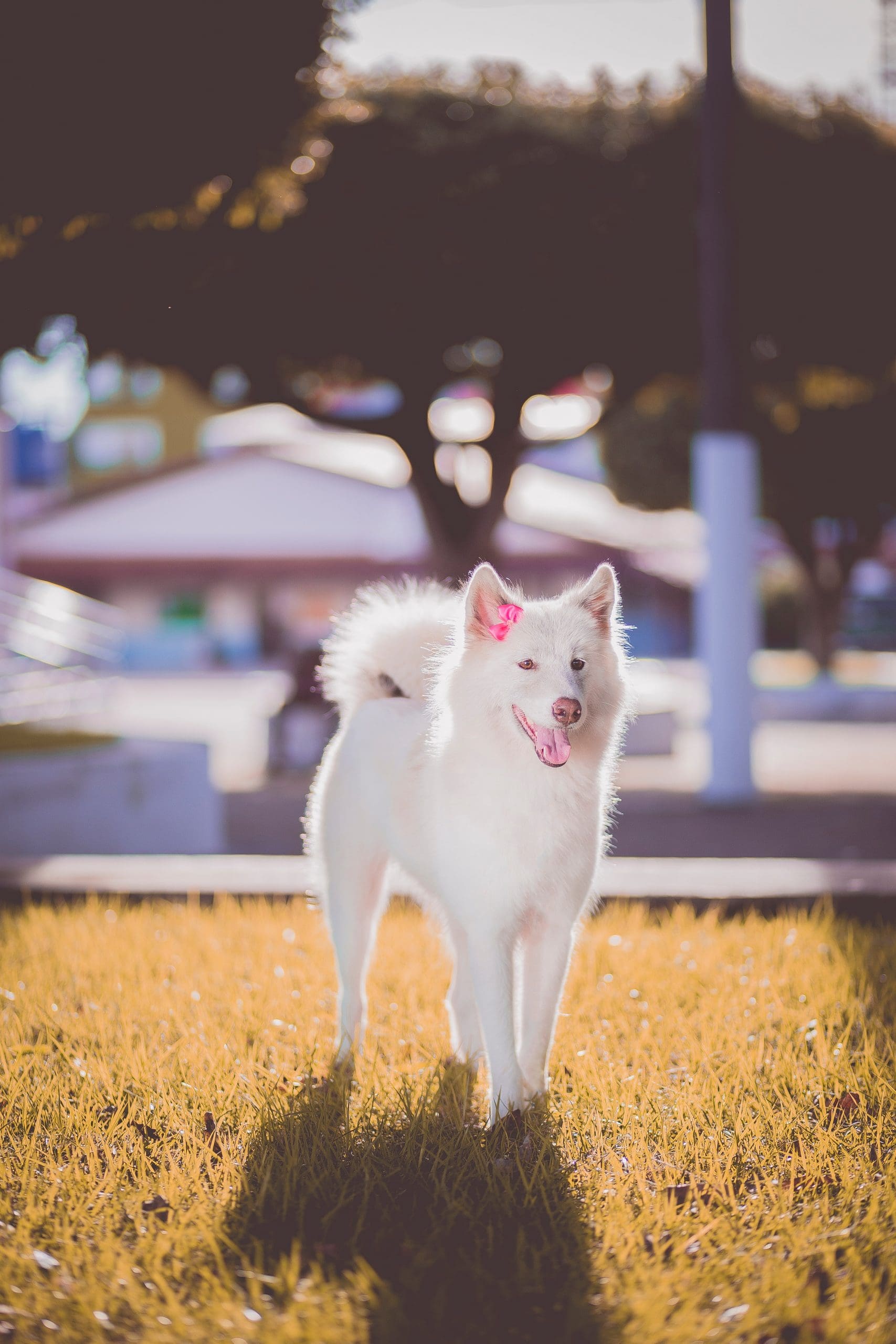
How do i get my dog to stop chewing his paws?
Paw chewing matters because it affects your dog’s comfort and your household: sore, stained paws and persistent chewing often mean the dog is itchy, uncomfortable, or stressed, and owners commonly notice it in new puppies learning grooming habits, in dogs with a long-standing chewing habit, or in recently adopted dogs adjusting to a new environment.