
Category: Positive Dog Training
-

How many carrots can a dog eat?
Carrots are one of the most common human foods owners consider sharing with dogs. They are inexpensive, widely available, and often used as training rewards, table treats, or a crunchy alternative to commercial snacks. Knowing when and how many carrots to offer helps owners avoid accidental weight gain, choking, digestive upset, or undermining a therapeutic
-

What is prednisone used for in dogs?
If you love dogs and have ever watched a pet scratch, limp, or suddenly swell, questions about prednisone often follow. This article walks through when and why veterinarians reach for this drug, how it works, what to expect at home, and the concrete steps owners can take to keep a dog safe and comfortable while
-
When can puppies leave their mom?
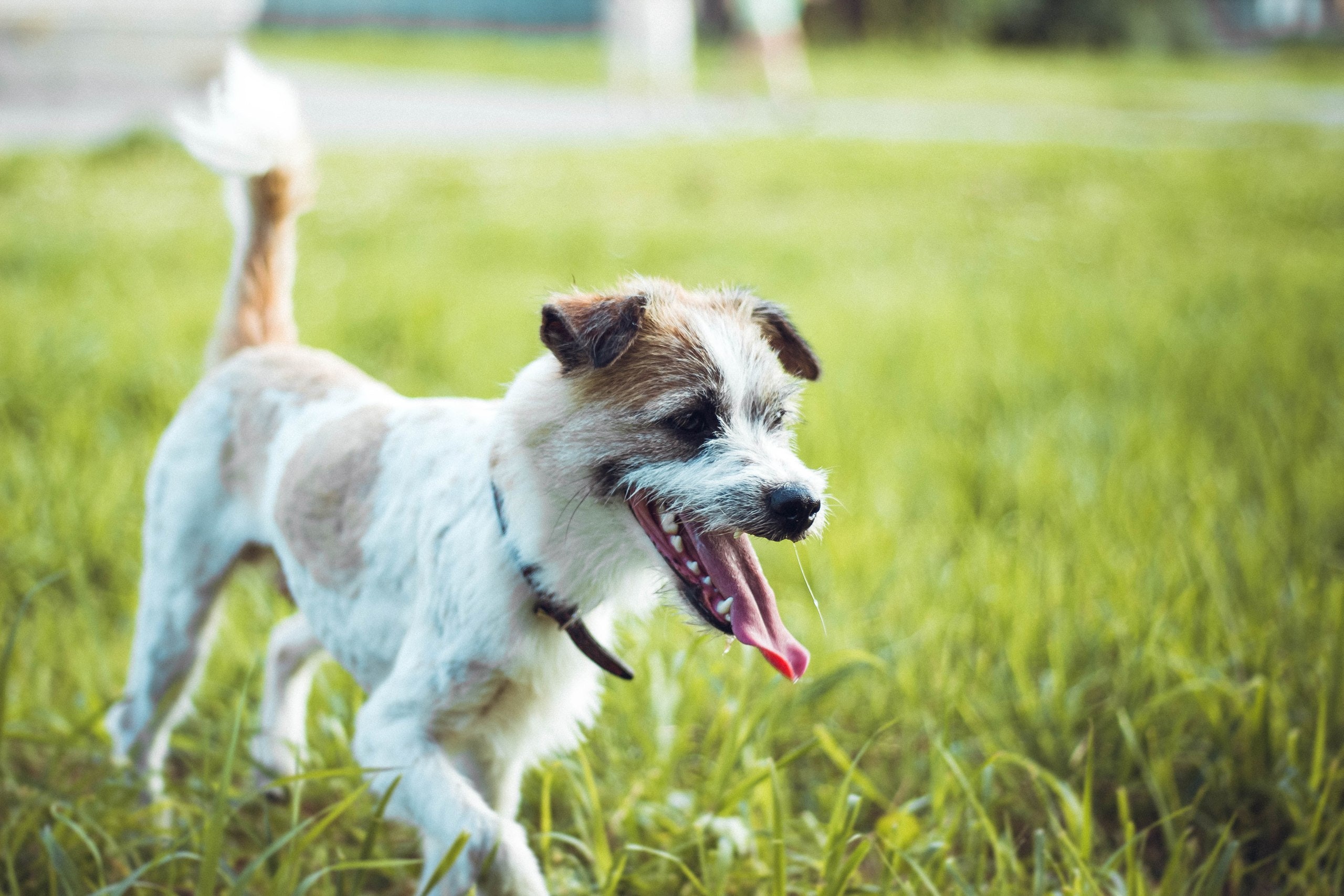
Knowing when a puppy can safely leave its mother matters more than many new adopters realize. Timing affects immediate health, later behavior, legal compliance, and the long-term match between a dog and its new family. As a veterinarian and behaviorist, I see adoptions succeed or strain because of timing decisions that were made without a
-

How long before a stray dog is legally yours?
Finding a stray dog pulls at more than the heartstrings; it raises immediate questions about the animal’s welfare, your obligations, and what the law expects before a dog can be considered yours. As a veterinarian and behaviorist, I typically see people act from compassion and good intent, but skipping a few practical and legal steps
-

How to treat diabetes in dogs?
When a dog develops diabetes it changes daily life in practical ways that owners notice quickly: drinking a lot, peeing more, losing weight despite a good appetite, or suddenly being slow to recover from minor illnesses. I typically see owners caught between guilt and confusion—wondering whether they missed something, whether treatment will be hard, and
-

What type of probiotic is best for dogs?
If you care for a dog’s health, choosing the right probiotic is one of those small, practical steps that can make a visible difference: firmer stools after a course of antibiotics, fewer bouts of travel diarrhea, and smoother transitions when puppies switch to adult food. Owners ask me about safety, whether a product will actually

