
Category: Positive Dog Training
-
Why are dogs scared of thunder?
As someone who works with dogs and their families, I see how a single storm can turn a relaxed household into a tense, sleepless one. Owners worry about broken doors, chewed furniture, or a dog who hides for hours, and that worry feeds back into the dog’s stress. Recognizing what triggers storm fear and how
-
How to bury a dog?
This guide explains how to bury a dog on private property in a way that is respectful, practical, and as safe as possible for people and the surrounding environment. It covers who this is best for, the immediate steps to take, timing and safety considerations, a clear sequence of actions, how to keep the yard
-
What happens when a dog gets neutered?
For anyone who loves dogs, the question “What happens when a dog gets neutered?” comes up sooner or later. Whether you are weighing health benefits, worried about behavior changes, thinking about a new puppy, or deciding for a shelter or foster dog, understanding the procedure, the biology behind it, and what to expect afterwards helps
-
How big will my puppy get?
Working out how big a puppy will become matters because size affects nearly every daily decision you’ll make for that dog: food, space, exercise, equipment and even future health risks. Below I walk through why adult size matters, straightforward ways to estimate it, the biology behind growth, what can speed or slow it, warning signs
-
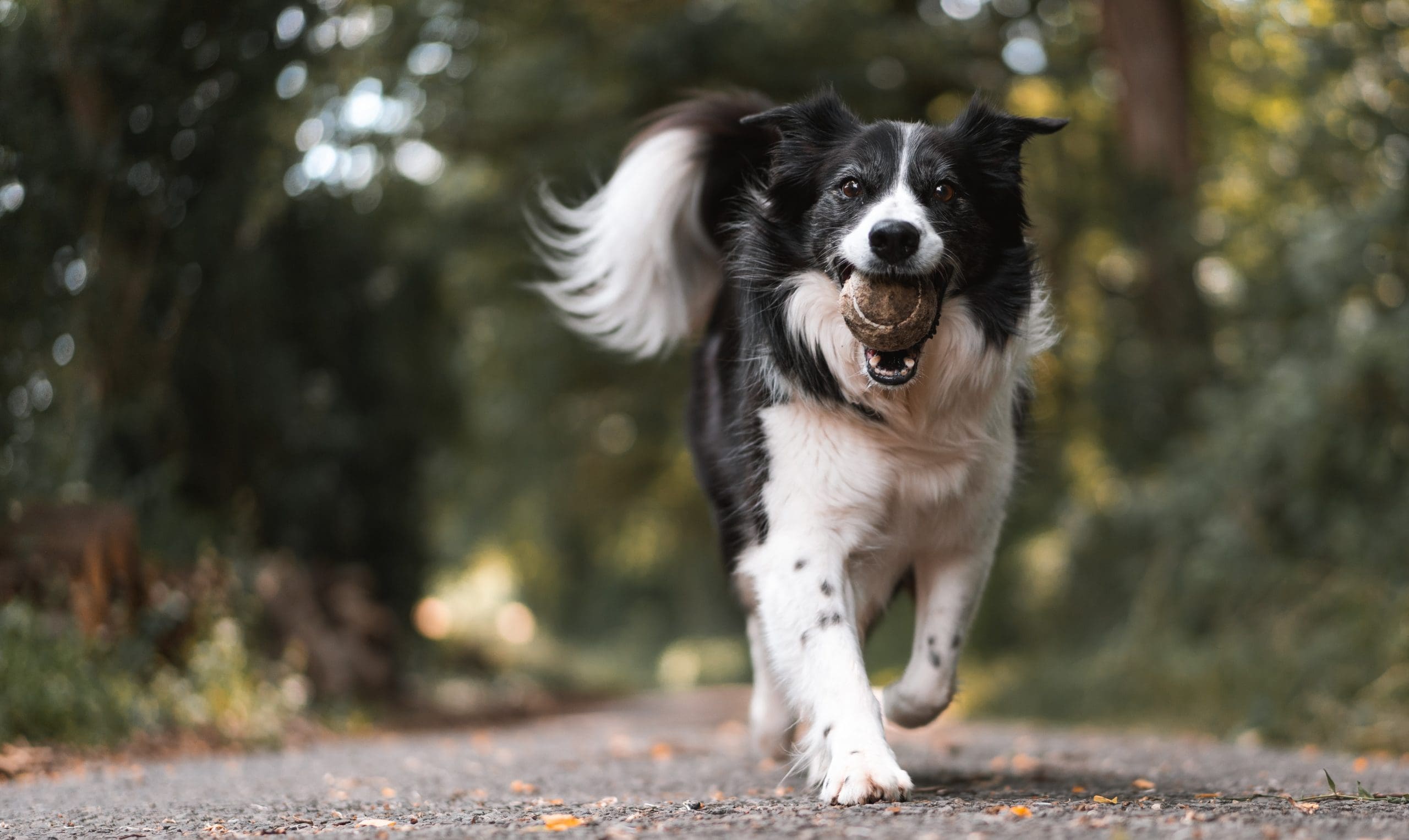
How to fly with a dog?
Deciding to fly with your dog is about weighing risk, necessity, and your animal’s temperament. For many owners the benefits—keeping the family together during a move, reuniting a rescue with a new home, or getting a working or competition dog where it needs to be—outweigh the inconvenience. This guide explains when flying makes sense, what
-

How to stop dog biting hands?
Hands are easy targets for dogs because they move, smell like food or attention, and are usually the parts of us closest to a dog during play, feeding, and grooming. A hand that reaches to scratch a collar, offers a treat, or teases during fetch is a consistent, predictable stimulus; for many dogs it becomes

