
Category: Positive Dog Training
-

How heavy should my dog be?
“How heavy should my dog be?” is one of the most practical questions I answer in clinic. The right target weight matters because it affects mobility, longevity, and day-to-day comfort. This guide explains who needs weight guidance, how to estimate an ideal weight quickly, why weight matters biologically, when weight tends to change, warning signs,
-

What dog looks like a german shepherd?
Many dog lovers notice puppies in shelters or on walks that could be mistaken for a German Shepherd, and that sparks practical questions: will the dog share the same energy, training needs, or health risks as a German Shepherd? Below I outline what to look for, why certain breeds resemble German Shepherds, how to confirm
-
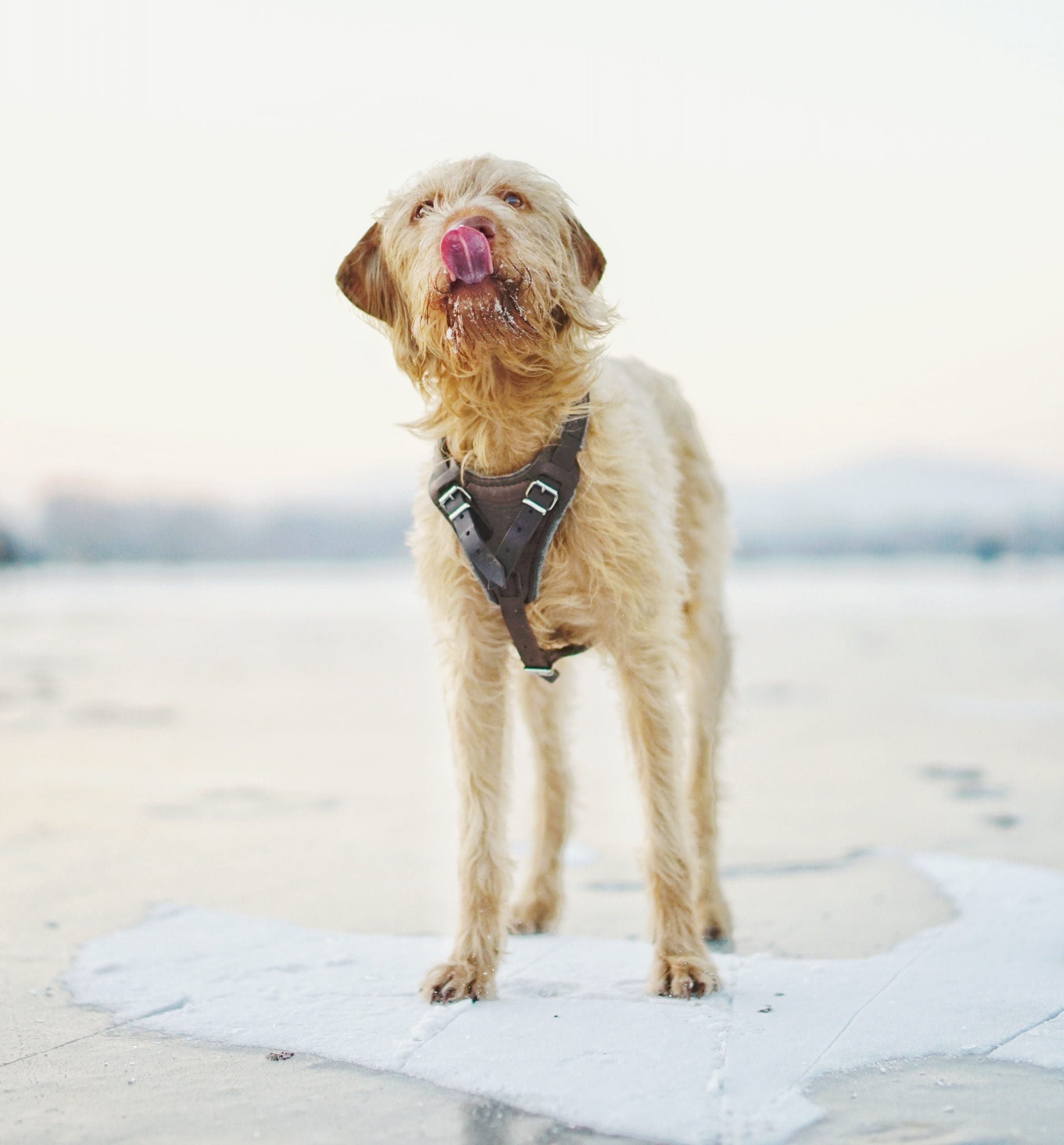
Why do dogs bite their tails?
Tail-biting is one of those behaviors that can look trivial in a hallway and alarming in a quiet room. As a veterinarian and behaviorist who has worked with many families and rescue groups, I treat tail-biting as a useful signal: sometimes it points to a simple nuisance, other times to an underlying problem that needs
-
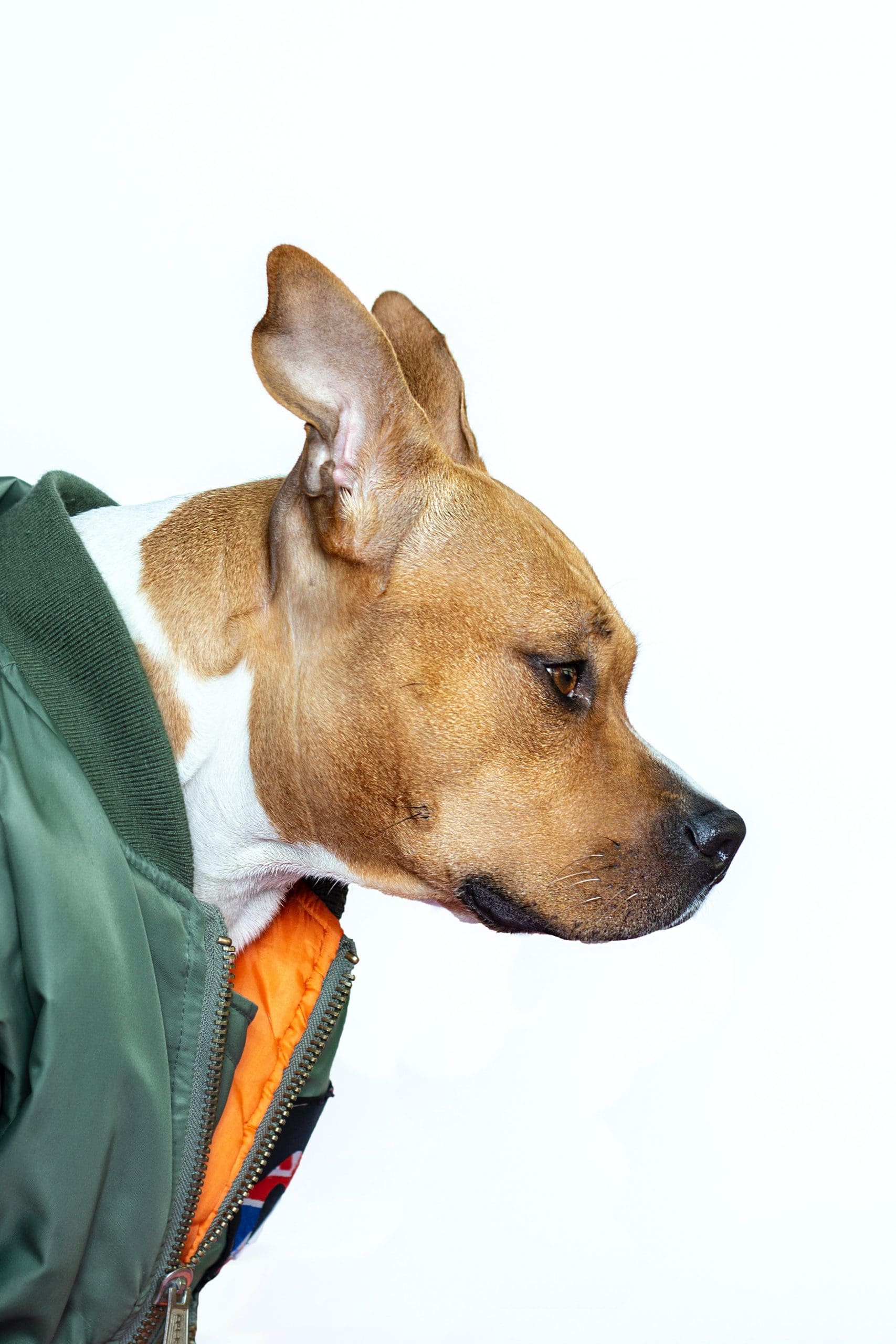
Why do dogs lick their lips?
Lip-licking is one of those small, everyday behaviors dogs do that can mean very different things depending on context. As a clinician who watches a lot of dog–human interactions, I find that learning the range of meanings behind a dog’s quick tongue flick can help owners make better choices about care, training, and when to
-

How much does a vet check-up cost for a dog?
If you’re a dog lover wondering what a routine vet check-up will cost and why it matters, this guide lays out practical price expectations, the reasons behind exams, when expenses tend to climb, and how to prepare so visits are calmer and less costly where possible. Does Your Dog Need a Check-Up? Who and How
-

What do dogs see?
Understanding what dogs see is practical: it helps you read their body language more accurately, choose toys and enrichment that actually register visually, plan safer walks and home layouts, and spot early signs that their sight might be changing. How Your Dog’s Vision Shapes Safety, Behavior and Training Reading a dog’s eyes and facial expressions

