
Category: Positive Dog Training
-
How to keep dogs out of your yard?
Keeping dogs out of your yard humanely matters because it balances safety, neighborliness, and animal welfare—three priorities most dog lovers share even when a visiting dog is not theirs. How stray dogs can affect your lawn, garden and household For people who love dogs, the goal isn’t to punish animals but to prevent harm and
-
How much is an mri for a dog?
When a beloved dog shows unusual stumbling, seizures, or unexplained pain, the question “How much is an MRI for a dog?” often follows immediately; this guide explains why owners ask that, what an MRI can reveal, typical costs and cost drivers, when it’s urgent, and practical next steps to help you decide and plan. Why
-
What countries eat dog?
For dog lovers, knowing where and why dog meat is eaten matters because it affects empathy for communities, informs safety for pets when traveling or living abroad, and highlights practical steps for prevention and advocacy. What dog lovers should know: cultural, emotional, and legal stakes The emotional weight is immediate: many owners picture their own
-
Why do dogs eat wood?
Who this helps: if you own a dog that’s been gnawing on fence posts, munching pallet slats, or bringing bits of yard wood into the house, this guide is written for you. It’s also useful for new adopters watching a teething puppy, dog sitters who notice unfamiliar chewing habits, and anyone wondering whether a bit
-
How big will my puppy get calculator?
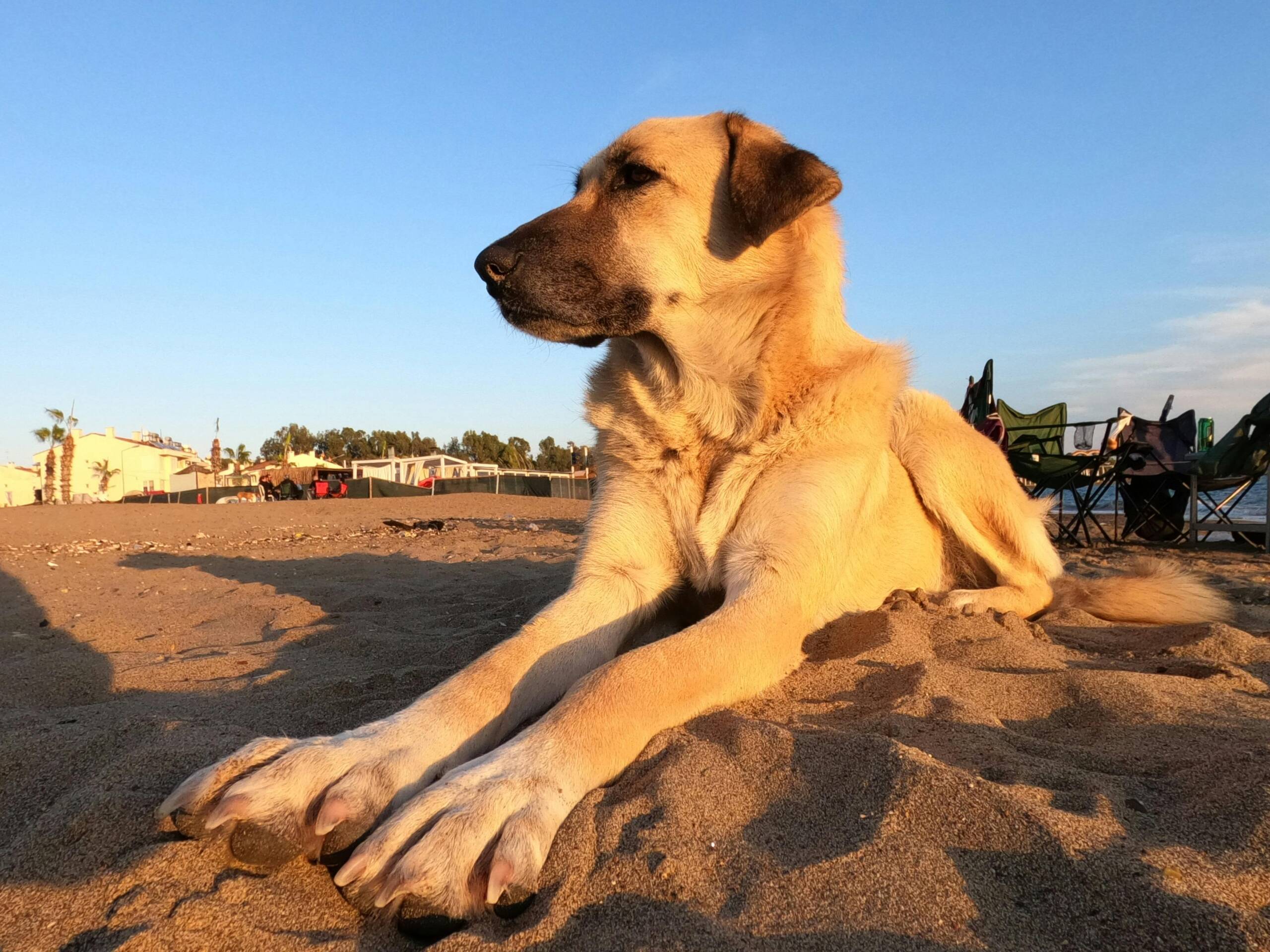
If you’ve ever looked at a tiny, wiggly puppy and wondered how large it will be as an adult, a “How big will my puppy get?” calculator can feel like a small miracle. Dog lovers use these calculators to estimate adult weight and height, plan nutrition and portion sizes, choose the right crate, bed and
-
How to help a dog gain weight?
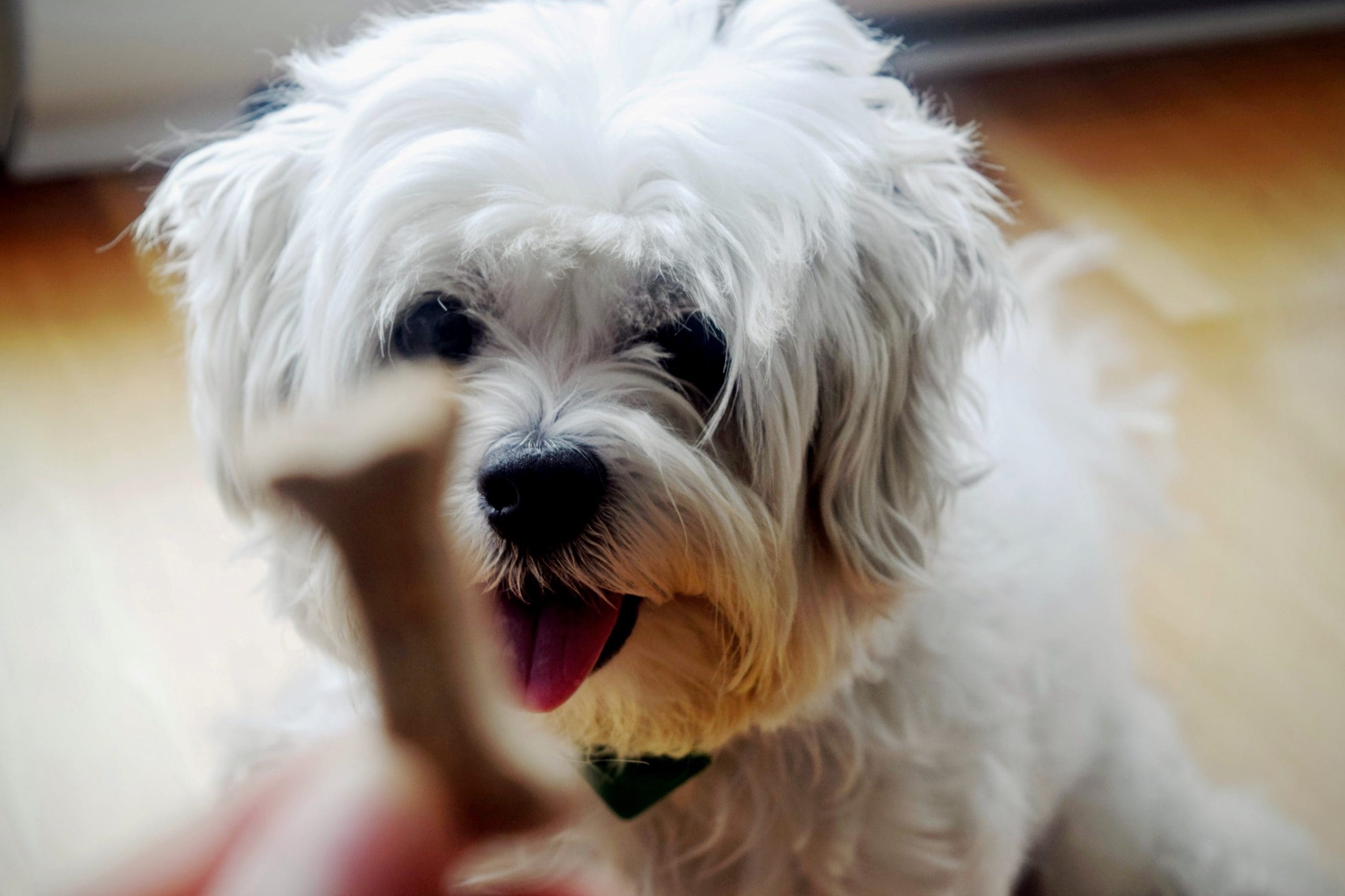
Helping a dog gain weight is usually about restoring strength, energy and a better quality of life. Owners notice a dog getting thinner after illness, during old age, through intense working seasons, or simply because the dog has become picky. Those situations matter not just for numbers on a scale but for coat condition, muscle

