
Category: Positive Dog Training
-

How much is a service dog?
If you love dogs and are curious about service animals, this piece will walk through why people choose them, what they cost, how they actually work, when prices shift, and sensible next steps if you want to pursue one. The goal is practical: help you decide if a service dog fits your life and how
-

Why do dogs kick when you scratch them?
Many dog lovers notice the classic backward kick of a hind leg when they scratch a dog in the right spot. That little dance feels funny, looks a bit like a reflex, and can leave owners wondering whether the dog is enjoying it, responding to an itch, or trying to tell them something important. Understanding
-

How to get rid of tapeworms in dogs?
Tapeworms in dogs are a common and manageable problem, but they can be unsettling for any dog lover. This guide explains why you should care, what to do right away, how infections happen, when your dog is most at risk, what signs to watch for, a clear owner action plan, and practical steps for home
-
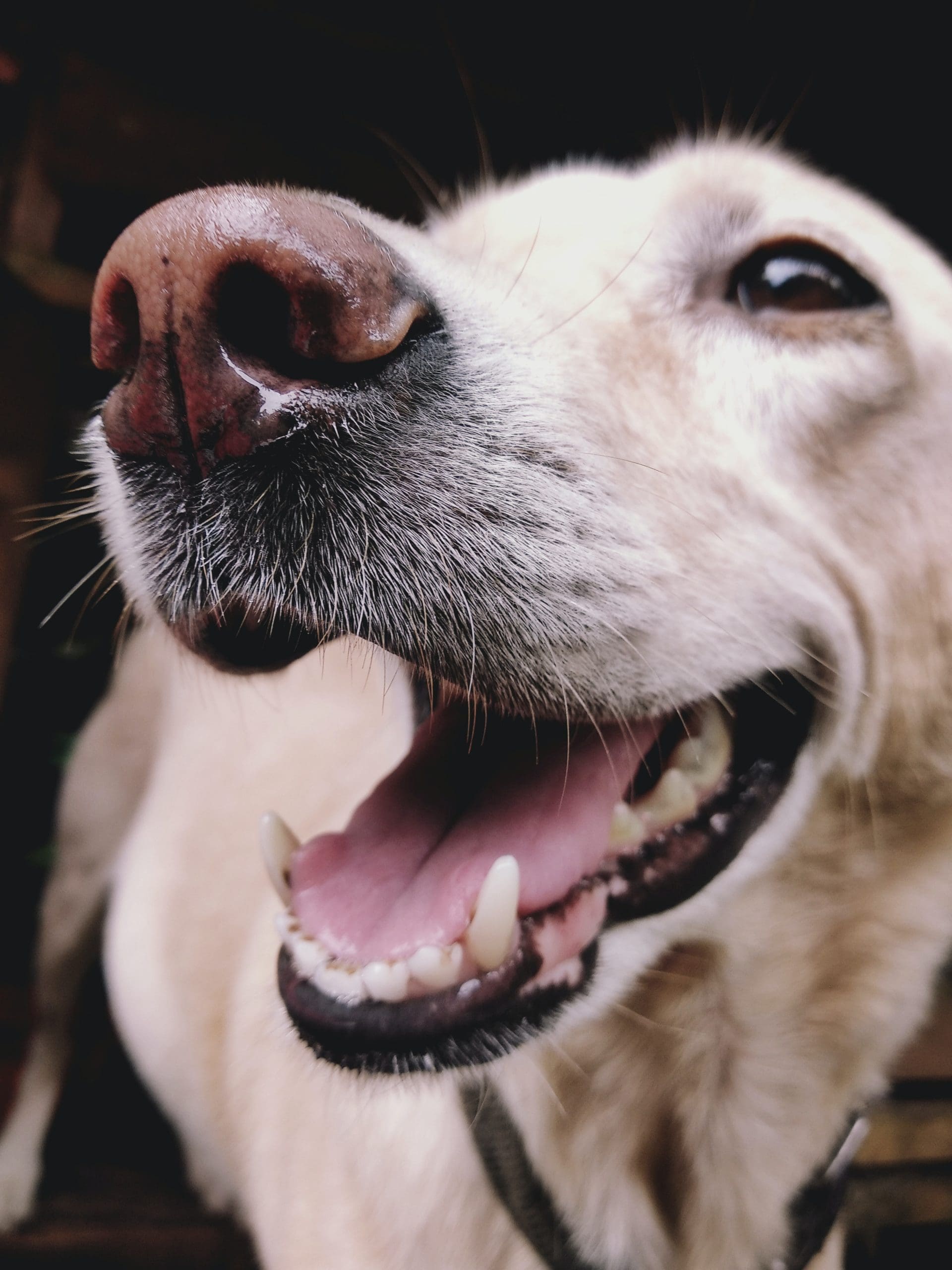
What causes pancreatitis in dogs?
Pancreatitis is one of those conditions that can turn a normal day with your dog into a frightening emergency in hours. Understanding what tends to trigger it, how it progresses, and what you can do right away often makes the difference between a brief hospital stay and a far more serious outcome. Below I explain
-
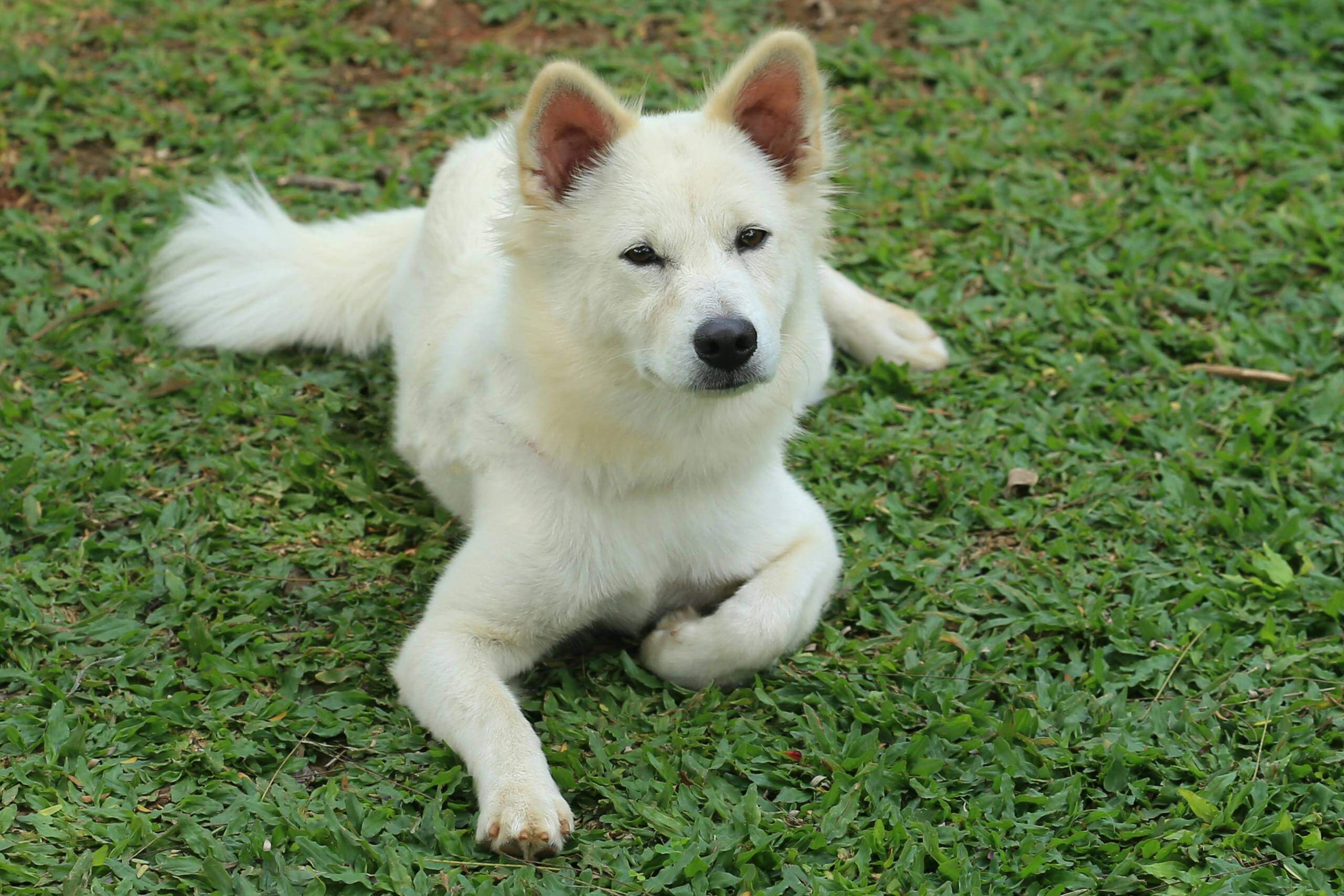
How do i know if my dog has parasites?
If you love dogs, knowing how to spot parasites can save your pet hard days at the clinic and reduce risk for everyone in the household. This guide walks through what to watch for, why parasites behave the way they do, how you should act if you suspect infection, and practical steps to prevent reinfection.
-
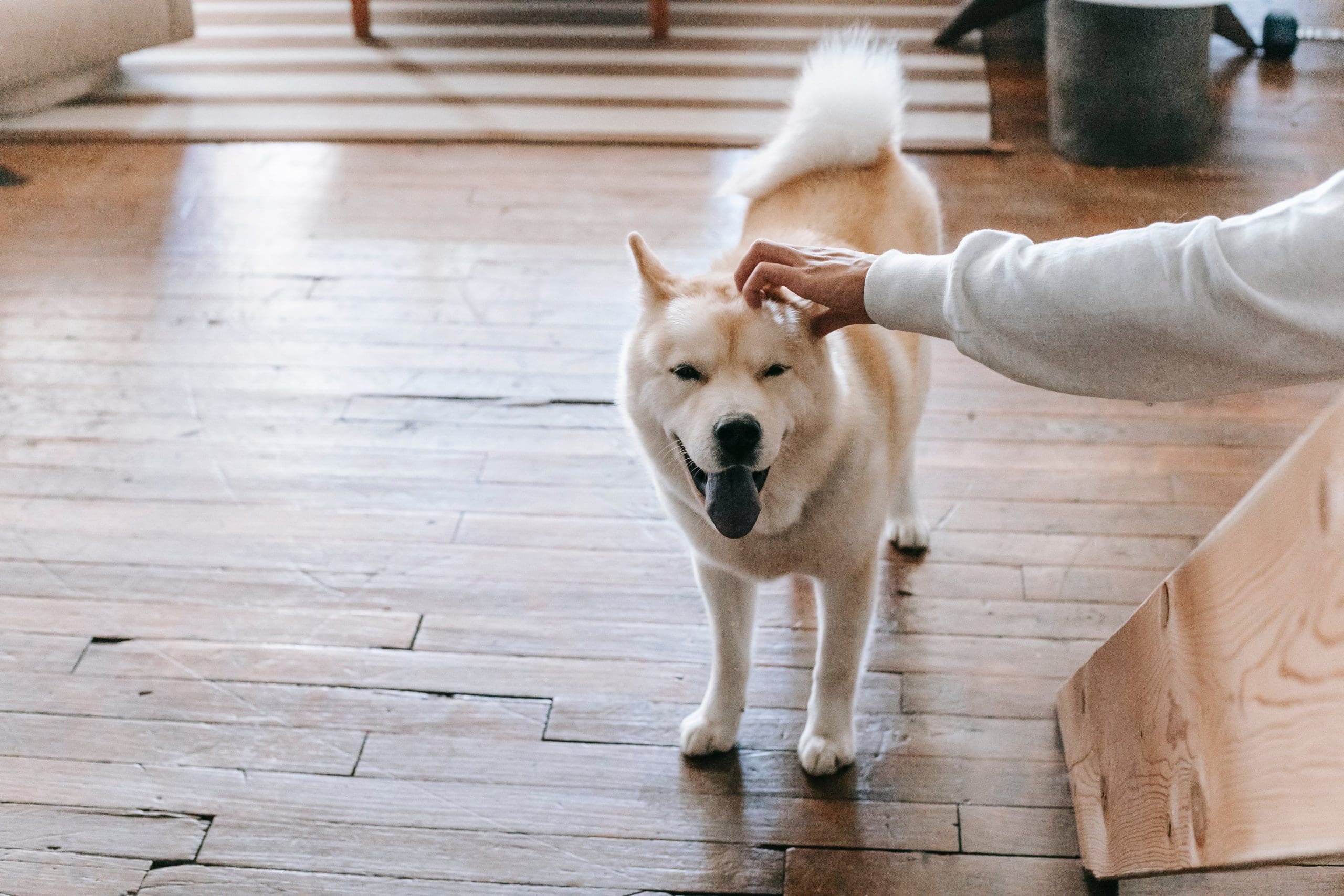
What is the most loyal dog?
Most dog lovers ask “Which dog is the most loyal?” because loyalty shapes everyday life with a dog: whether you’re choosing a steady companion for a young family or a quiet senior, deciding if a working or service dog can meet strict reliability needs, expecting a therapy animal to remain calm under pressure, or weighing


