
Category: Positive Dog Training
-
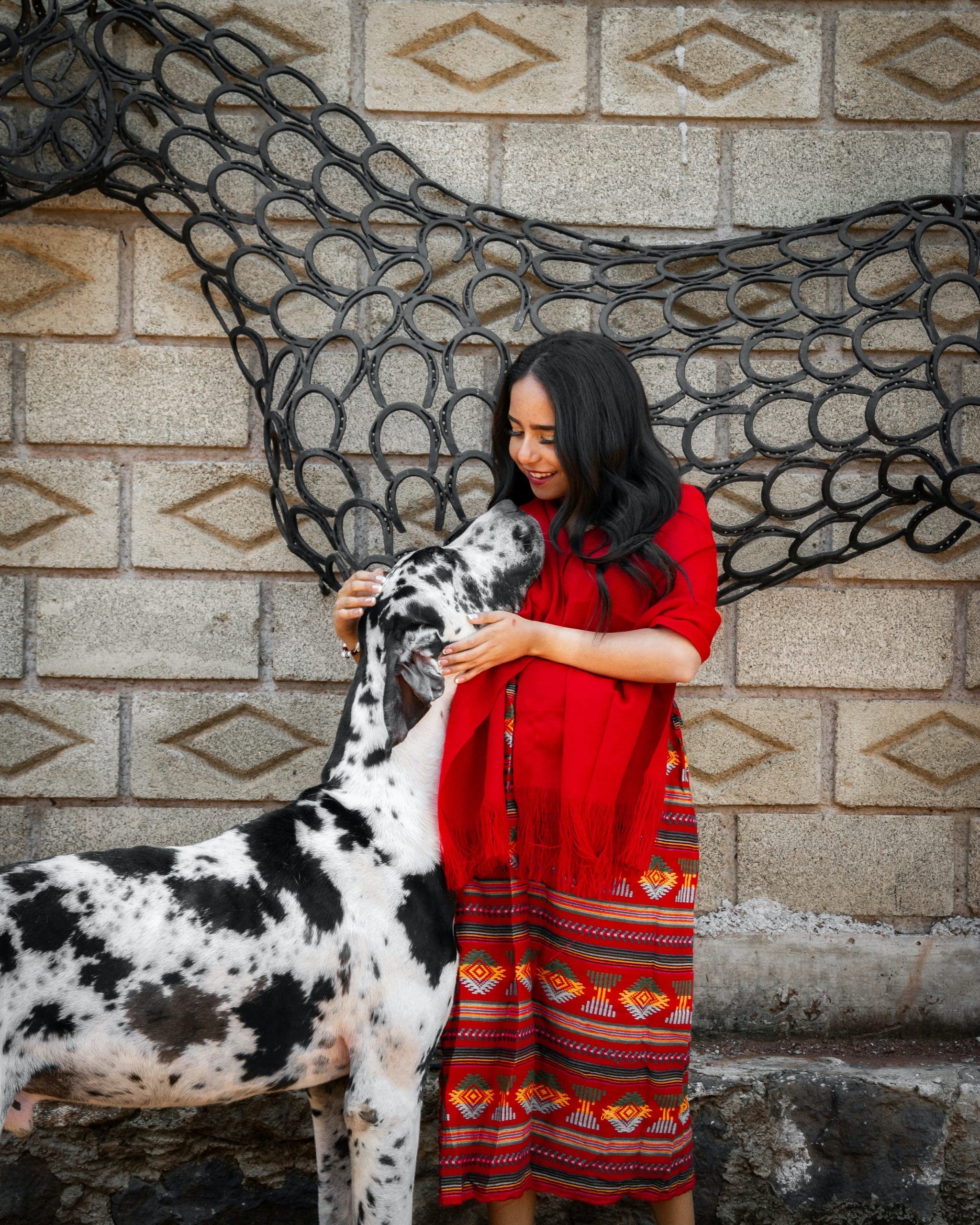
Why do dogs noses turn pink?
Changes in your dog’s nose color catch attention fast: a once-black nose that softens to pink between walks, after a day in the sun, or following a grooming product can worry even seasoned owners. Color shifts matter because the nose is more than cosmetic—its skin quality, sensitivity, and ability to protect against sun and pathogens…
-
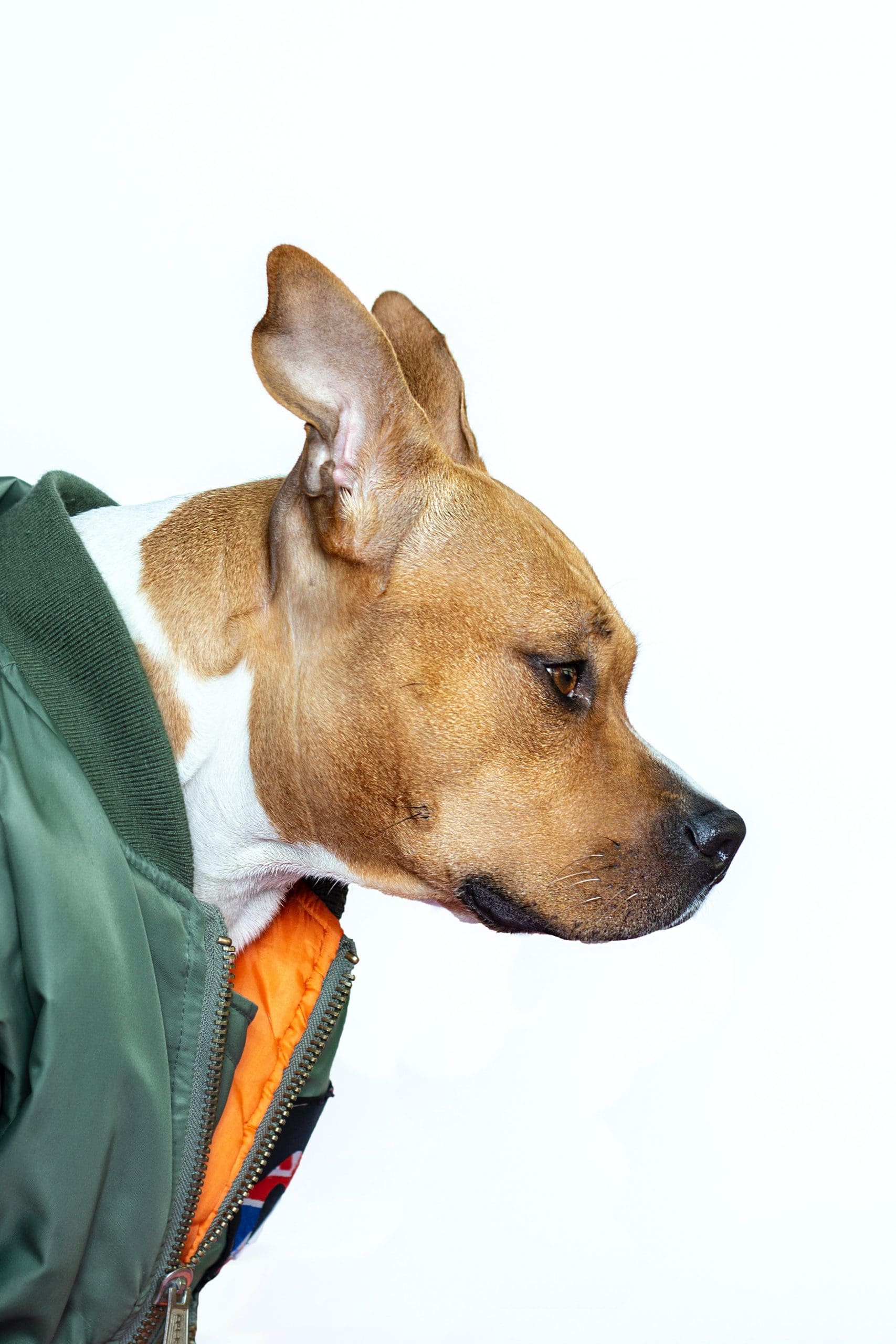
How much is surgery for a dog?
When a dog needs surgery, owners often find themselves searching for practical answers fast: how urgent is this, what will it cost, and what will recovery look like? I typically see two broad moments when people start researching surgery costs and options—planned, elective appointments and sudden emergencies—and each brings different emotional and financial pressures. Deciding…
-
How to tell if a dog has a fever?
ERROR: Timeout: https://api.openai.com/v1/responses
-
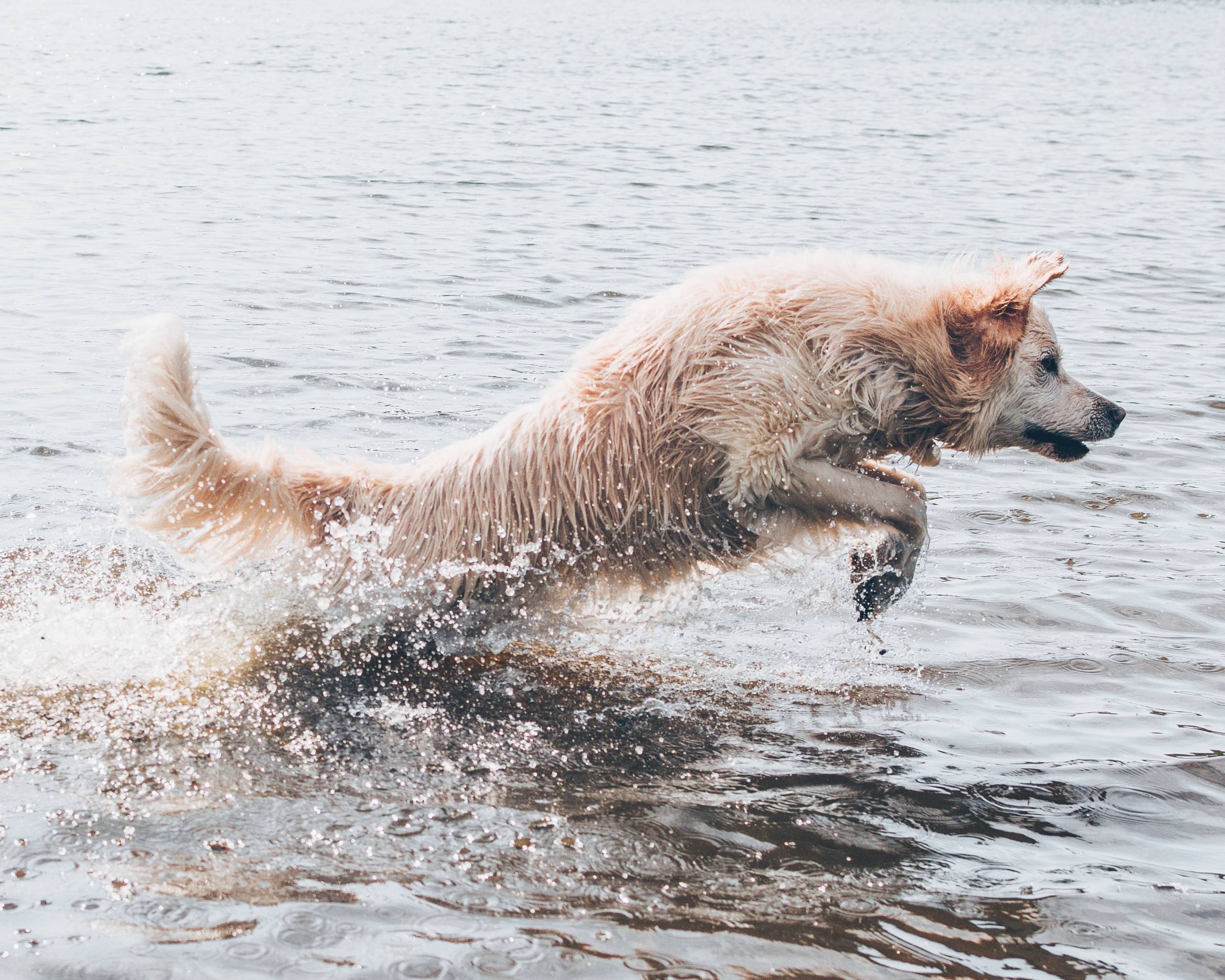
When is national puppy day?
National Puppy Day is one of those small but meaningful observances that pulls attention to the earliest, most vulnerable stage of a dog’s life — and for people who care about dogs it’s a practical opportunity to celebrate, help, and learn. Below is a clear, experience-based guide to when National Puppy Day happens, why it…
-
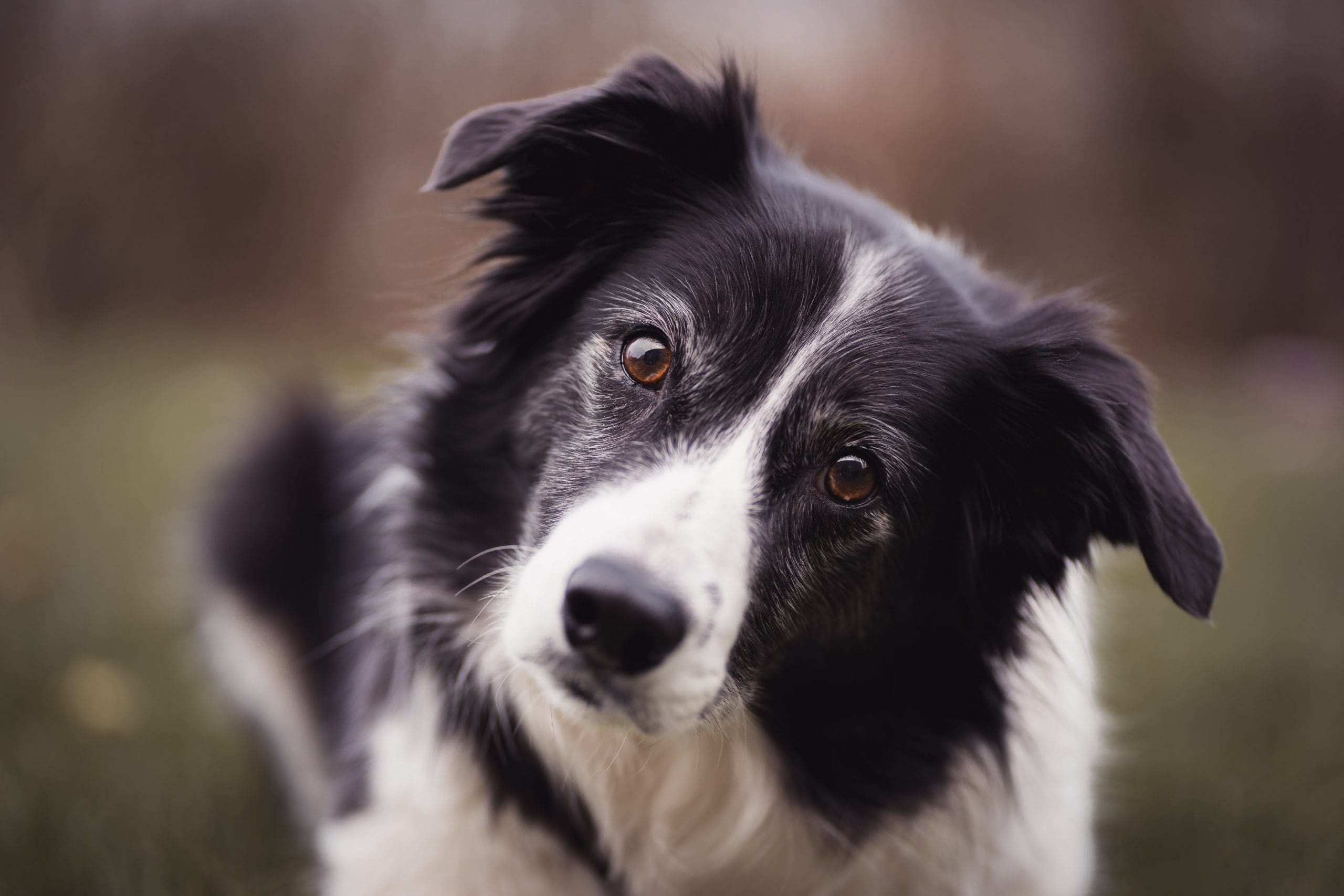
How much wet food to feed a dog?
Wet food is a common choice for many dog lovers, and it often raises the same practical question: how much should I feed my dog? This article walks through why wet food matters, gives an immediate feeding recommendation you can use today, explains why needs differ between dogs, and shows how to safely calculate and…
-
My dog died what to do with body?
Losing a dog is sudden and practical decisions arrive quickly. This guide is written for dog lovers who need clear, calm guidance on what to do with a body in the hours after death. It focuses on real choices you can act on, legal and safety matters that commonly complicate the situation, and the emotional…


