
Category: Positive Dog Training
-

Why do dogs smile?
Dogs lift their lips, pull back the corners of their mouth and sometimes show teeth in ways that look a lot like a human smile. For a dog lover, being able to tell whether that mouth is relaxed, nervous, playful, or painful matters. Reading these cues better helps you build trust, avoid embarrassing or unsafe…
-

What kind of dog does john wick have?
John Wick’s dogs are more than props; they are narrative anchors that drive emotion and action. For people who care for dogs, that resonance matters because on-screen animals often shape how viewers think about breeds, care choices, and the bond between a person and a companion animal. I’ll walk through which breeds appear, why they…
-

Why is my dog foaming at the mouth?
When a dog foams at the mouth it can be alarming: owners often picture poisoning, rabies, or a seizure. People search for answers because they want to know whether to calm the dog at home, monitor for a while, or rush to an emergency clinic. I typically see owners describing frantic moments—a dog suddenly frothing…
-
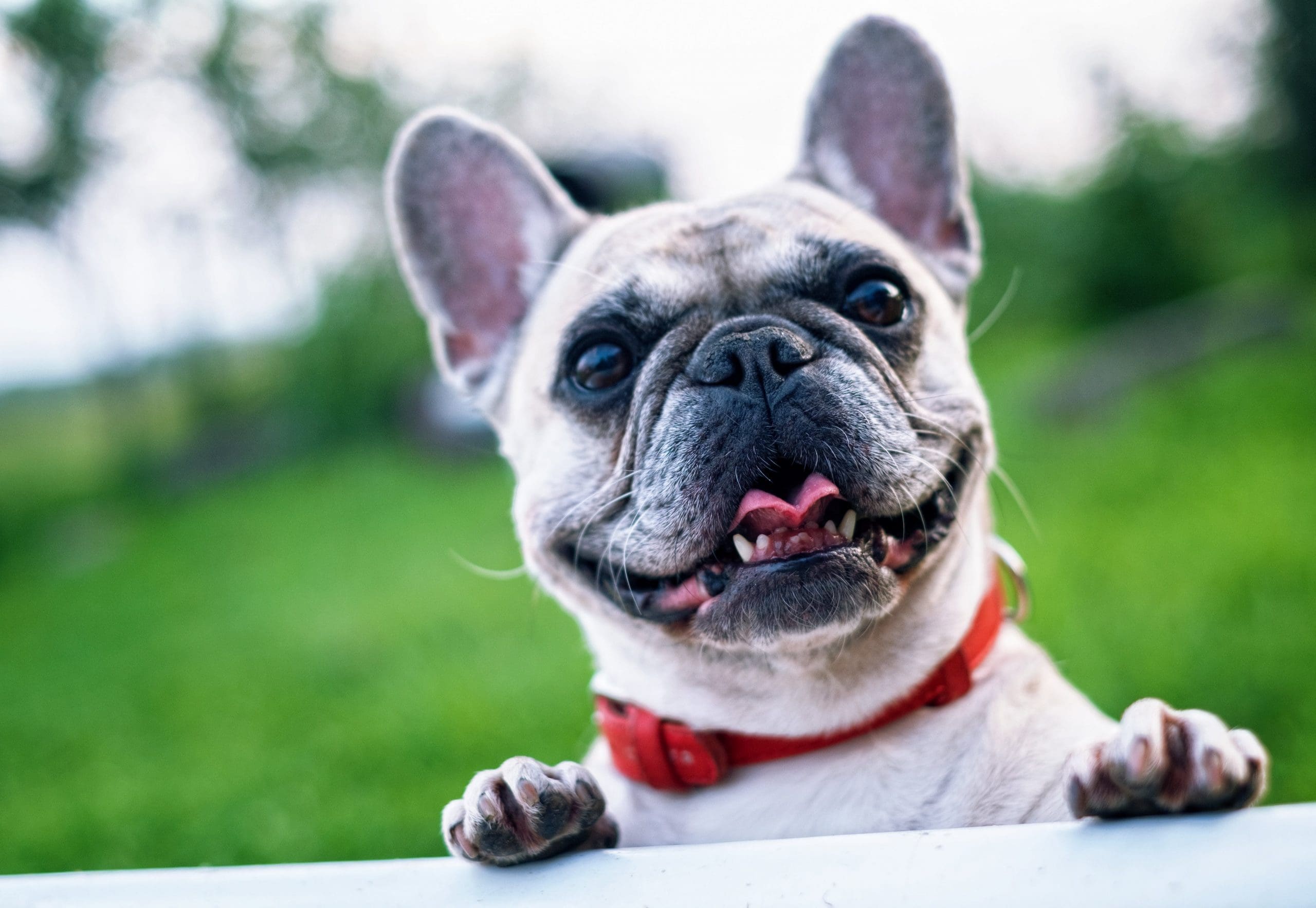
How long can you leave a dog alone?
Most dog owners ask a simple question with complicated answers: how long can a dog be left alone? The right limit depends on the animal’s age, health, training history and the owner’s situation. Below are practical, evidence-informed guidelines and a stepwise plan you can use whether you commute, work from home, have a new puppy,…
-

Why do dogs get skin tags?
Noticing a little soft lump on your dog can trigger a battery of questions: Is it dangerous? Will it bother them? Should it come off? For dog lovers the answers matter both emotionally and practically. A small skin tag often poses no immediate threat, but knowing what it is, how to watch it, and when…
-

What are the dog days of summer?
Understanding the “dog days of summer” matters more than a seasonal phrase — it affects how you walk, groom, travel with, and even choose a dog. Heat changes ordinary decisions into safety choices: a midday romp can become a medical emergency for a susceptible dog, a rescue dog with an unknown history may react badly…


