
Category: Positive Dog Training
-
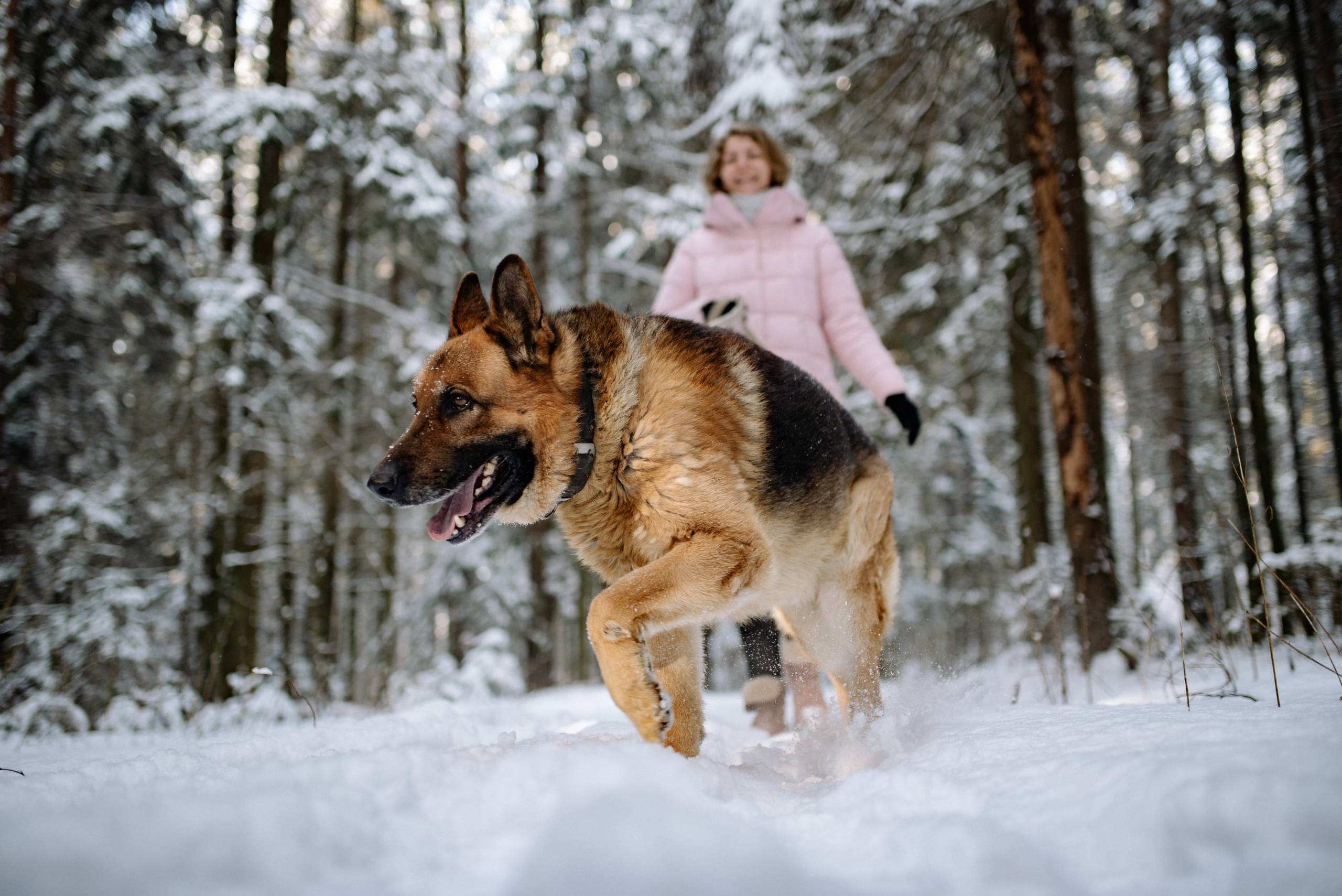
How to make dogs breath smell better?
Dogs’ breath is more than an occasional nuisance; it can be a window into their comfort, eating habits, and overall health. Freshening a dog’s breath improves daily interactions—cuddles, kisses, and grooming are more pleasant—while also helping spot problems early, which may spare the dog pain and reduce long-term veterinary costs. How your dog’s breath affects
-
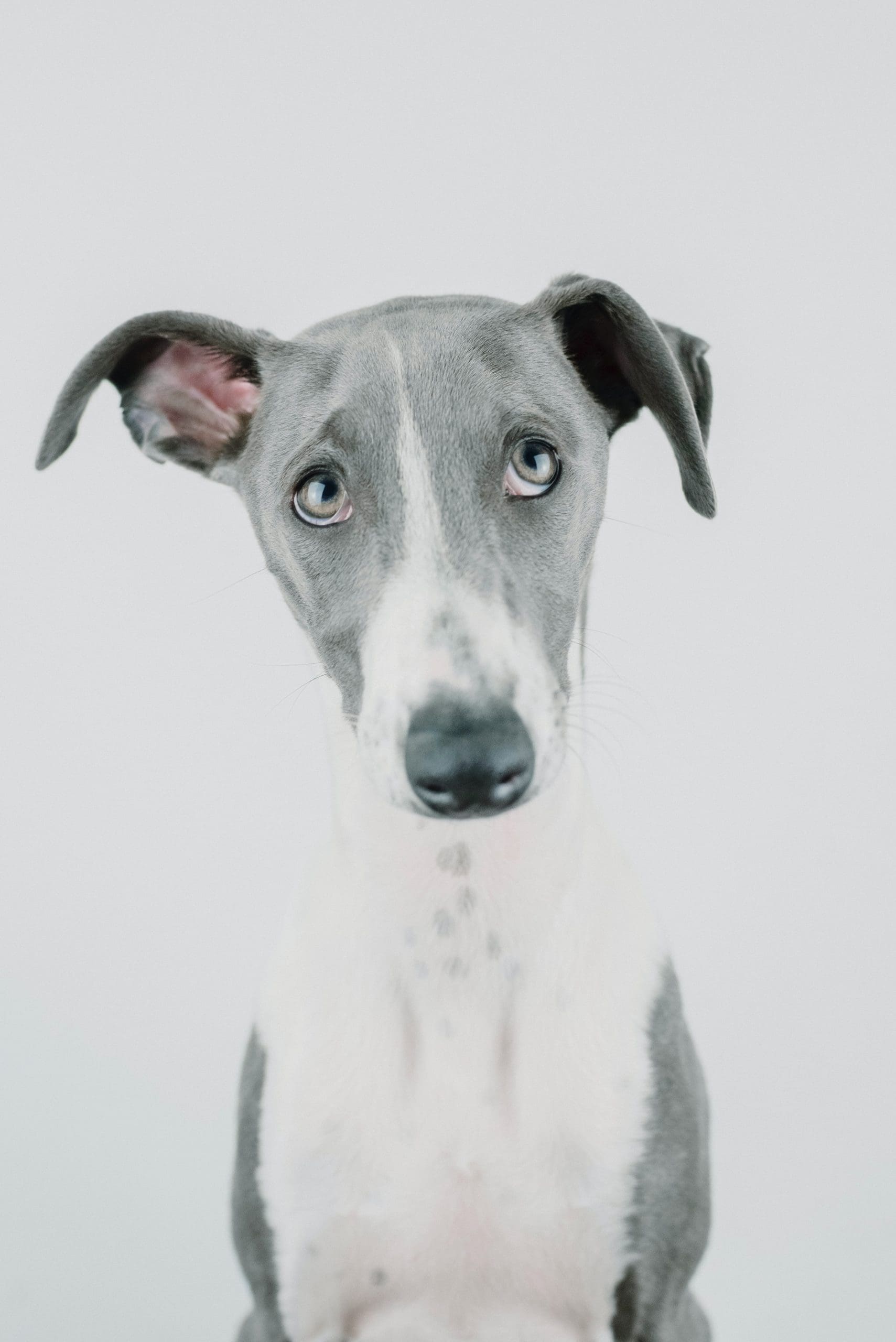
Why is my dog licking me so much?
If your dog seems determined to lick you constantly, that can feel flattering, puzzling, or worrying — especially when it escalates or leaves raw spots. Below is a practical guide that helps you tell the difference between friendly licking and something that needs attention, and shows what to do next. How your dog’s licking affects
-

What are the 4 stages of a dog in heat?
If you care for a female dog—or share neighborhoods and dog parks with intact animals—understanding the four stages of a dog in heat can make the difference between a smooth, safe cycle and an emergency trip to the clinic. This guide explains what each stage looks like, why it happens, what you should do in
-

How to keep dog from eating cat food?
Dogs eating cat food is one of those small but persistent problems I see in multi-pet homes: it’s messy, it can upset stomachs, and it often escalates into repeated episodes if left unaddressed. Below I outline common situations where this happens, quick fixes you can use tonight, the likely reasons dogs prefer cat food, triggers
-

How much for a maltese puppy?
Choosing a Maltese puppy is as much about temperament and daily life as it is about price. For many people I work with, the decision begins with the appeal of a small, affectionate dog but quickly becomes a question of realistic commitment: grooming every few weeks, consistent dental care, and a lifetime of veterinary oversight
-
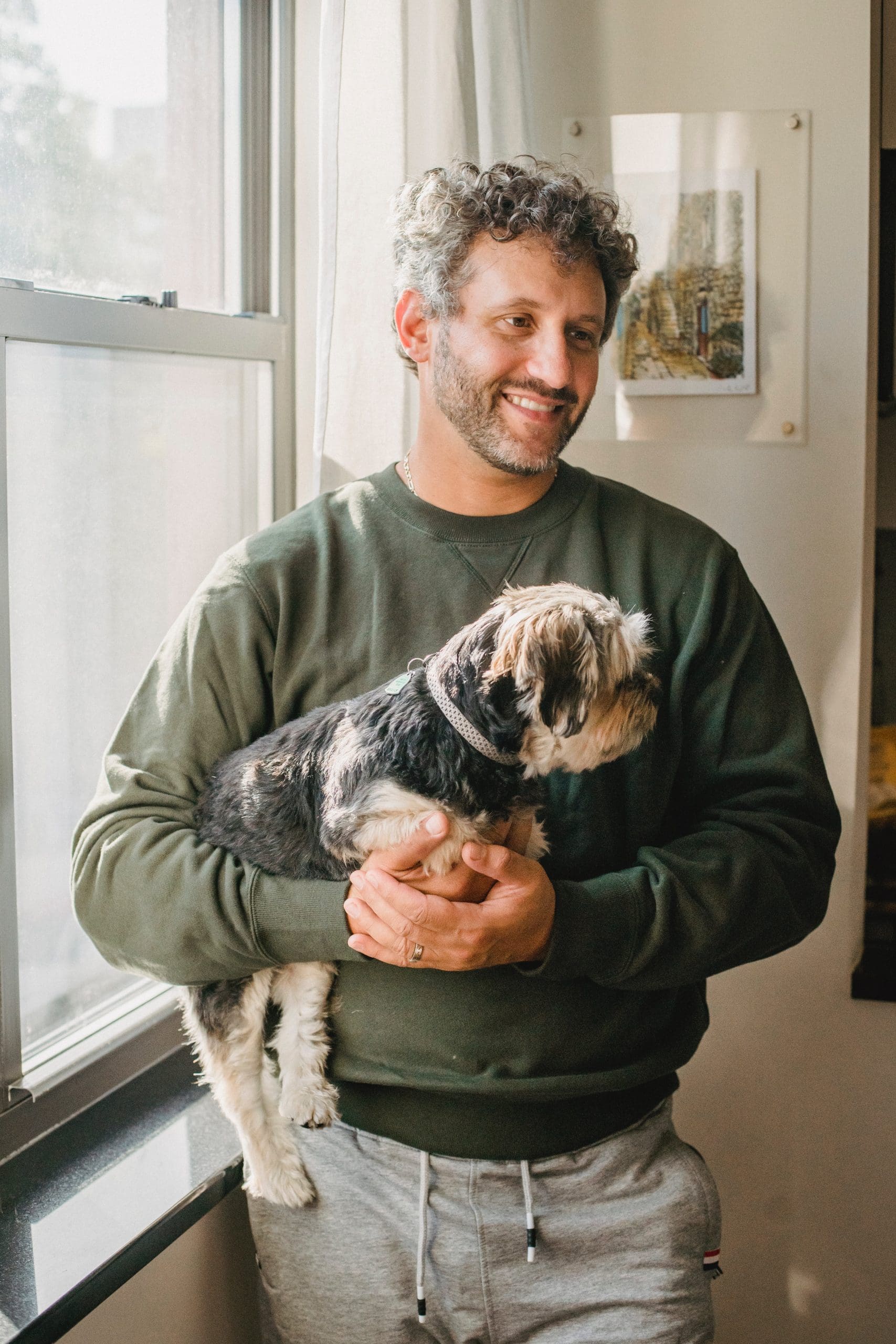
What helps a dog poop?
If your dog is straining, circling, or avoiding the yard, knowing practical, safe ways to help them pass stool matters. Difficult or infrequent bowel movements can be uncomfortable and may point to treatable causes; acting promptly often preserves appetite, energy and the trust between you and your dog. Below I walk through what helps a

