Learn how to be the
best dog trainer for
your dog!

-

Stair Away From Me: Why Is My Dog Avoiding Stairs?
Dogs can stop using stairs for many different medical, sensory, behavioral, or environmental reasons, and noticing the pattern helps narrow the cause. Signs Your Dog Is Avoiding Stairs Owners can often tell avoidance from normal preference by watching specific behaviors and the context in which they occur. Common observable signs include hesitation at the base
-

TOP 5 Dog Training Mistakes that Can Ruin Your Friendship
Strong training depends on clear communication, predictable structure, and attention to your dog’s emotional state to keep the relationship healthy and reliable. 1. Ignoring Canine Communication — Misreading or missing dogs’ body language causes misunderstandings that erode trust Dogs communicate primarily through body language, and effective handlers attend to a small set of reliable areas
-
Dog and the Elderly – Is it a Good Match?
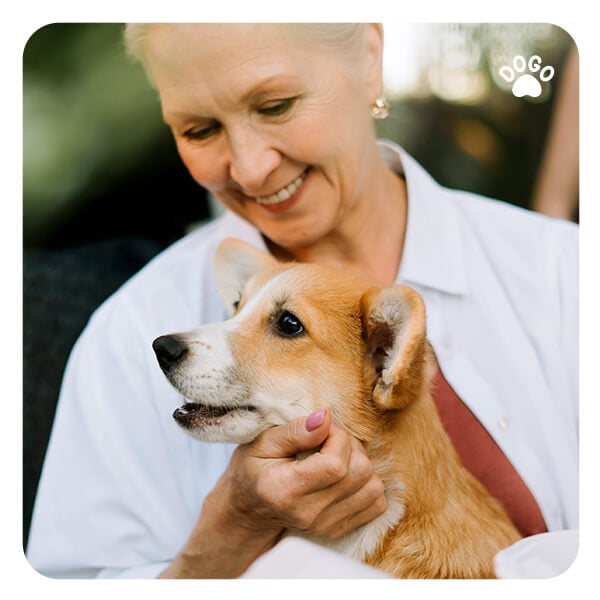
Many older adults consider dogs as companions and helpers, and choosing whether a dog is a good match depends on health, daily routine, living situation, and supports available. Benefits for physical health Regular dog care encourages movement and can make simple activity routines easier to sustain. Many health organizations recommend about 20–30 minutes of moderate
-
Greeting Other Dogs. What is the Etiquette?
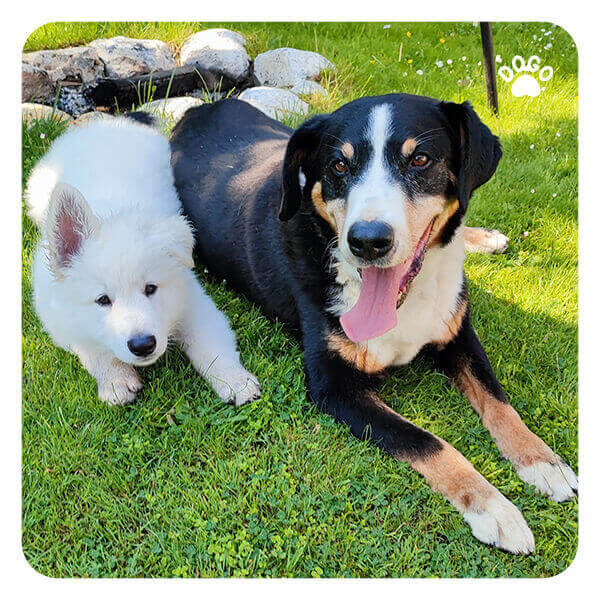
Greeting other dogs is a routine part of canine life that affects safety, comfort, and social outcomes for both animals and people. Why Dog Greeting Etiquette Matters Proper greeting behavior reduces the likelihood of injury and stress by allowing dogs to exchange signals and assess one another calmly; allow 3–5 seconds for an initial sniff
-

How to Take Care of Your Senior Dog Without Breaking the Bank
Senior dogs have changing needs that affect how you care for them at home and how you prioritize spending. Practical adjustments can maintain comfort and health while keeping costs manageable. Assessing Your Senior Dog’s Needs Many dogs are considered senior by about 7 years of age, though large breeds often age earlier and small breeds
-
Children Training Dogs
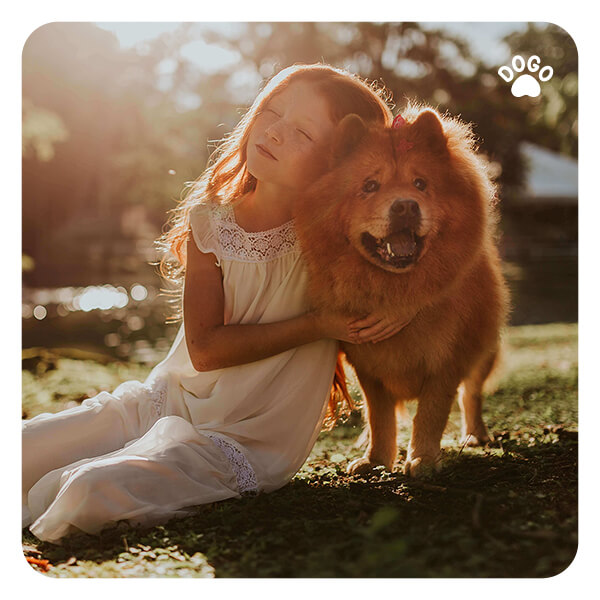
Children training dogs combines caregiving tasks with basic obedience work and supervised interactions to promote a safe, cooperative household relationship between young people and pets. Benefits for Children and Families Short, frequent training sessions of 5–10 minutes support focus, predictable routines, and steady progress for both children and dogs[1]. Assigning two to three simple daily
Start training with Dogo today
Start our survey and receive a customized training plan tailored to your dog today!