Learn how to be the
best dog trainer for
your dog!

-

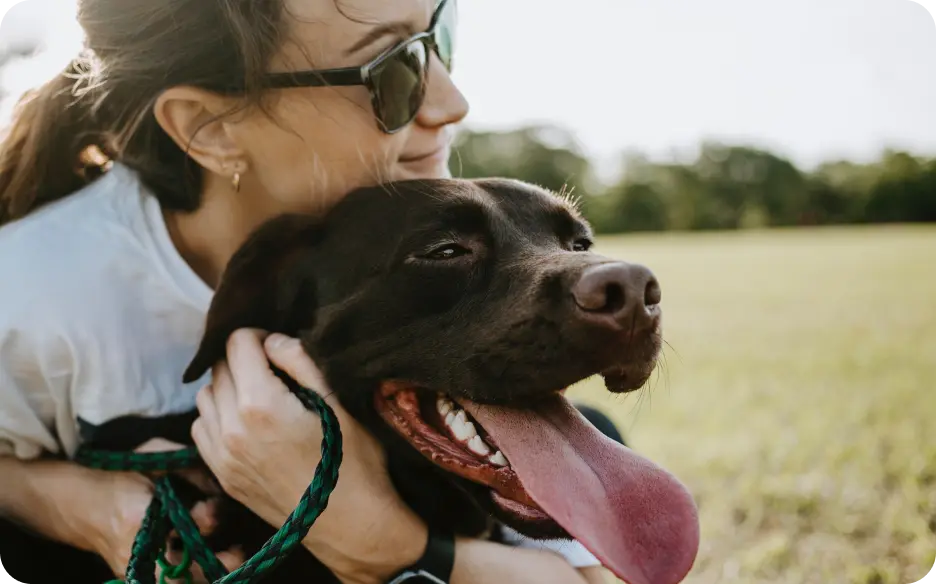
Dog Fireworks. Help Your Dog Who’s Afraid of Fireworks.
Strategies for supporting dogs during fireworks. Focus on behavior, environment, and veterinary input. Why fireworks scare dogs Dogs respond to fireworks for several sensory and learning-based reasons, and recognizing the mechanisms behind a dog’s fear helps target the right interventions. Acoustic sensitivity is a primary factor: dogs perceive higher frequencies and sharper transients than humans,
-
Puppy Vaccination and Vet Schedule
Puppy vaccination and veterinary scheduling set the foundation for a healthy life and protect animals and people around them. Why Puppy Vaccinations Matter Vaccination of puppies prevents core infectious diseases and lowers population-level transmission risks; program data report reductions in disease incidence exceeding 80% where coverage is high[1]. Well-timed immunization reduces the chance of zoonotic
-
My Dog is Easily Distracted – Learning to Focus
Many dogs get distracted easily, which can make everyday activities and training more challenging for owners. Understanding attention, measuring a baseline, and using targeted exercises and environment adjustments can help improve focus. Understanding Distractibility in Dogs Attention is the dog’s ability to orient and maintain engagement with a cue or handler, while distraction is any
-
How Much Time Do I Need for a Dog?
Deciding how much time a dog needs depends on daily care, exercise, training, social needs, grooming, and life stage, all of which vary by individual and breed. The sections that follow break those components into practical estimates and scheduling suggestions. Overall Time Estimate Most average adult dogs typically require about 1 to 3 hours of
-
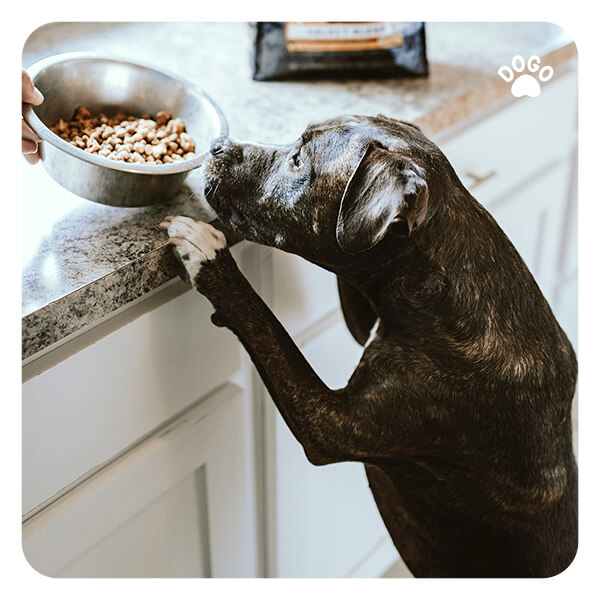
Dog Stealing Food? Teach Them Impulse Control
Dogs often take available food because of instinct, learned opportunity, or a medical or emotional reason, and managing the behavior requires both prevention and training. Why dogs steal food — common causes and learning mechanisms Food-stealing often develops because foraging and scavenging are strong instincts, and a single successful snack can create a rapid learned
-
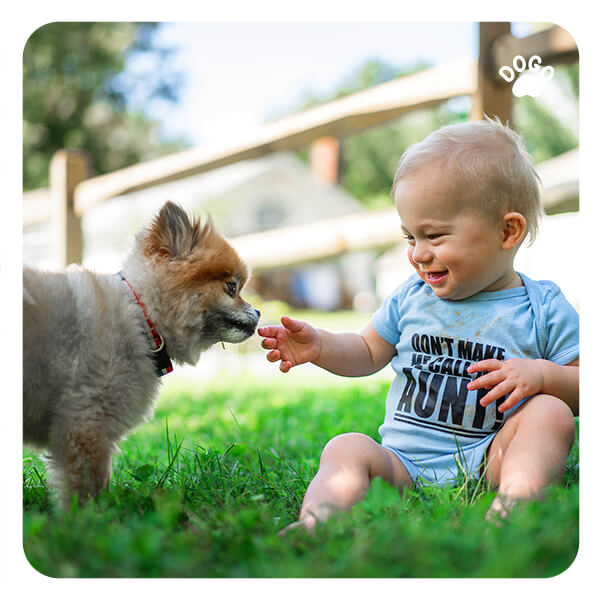
Dog and a Baby – Get Your Dog Ready for Life Changes
Preparing a household dog for the arrival of a baby requires planning across behavior, health, and the home environment to reduce risk and support a calm transition. Understanding Your Dog’s Temperament Begin by assessing sociability, fear thresholds, prey drive, and stress signals to understand likely reactions to new people and stimuli; use a simple 10-question
Start training with Dogo today
Start our survey and receive a customized training plan tailored to your dog today!