
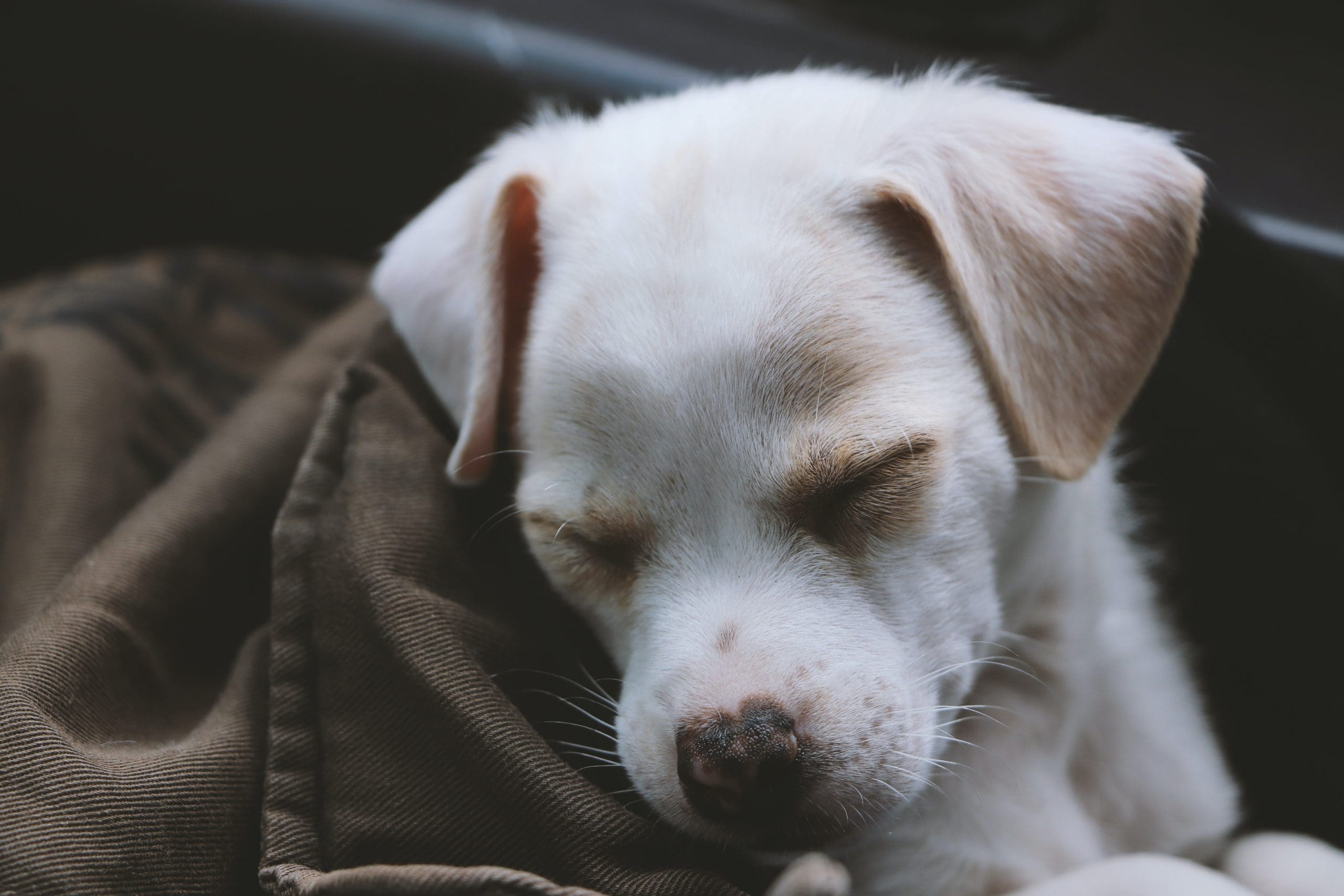
How to stop your dog from excessive licking?
Post Date:
January 10, 2026
(Date Last Modified: February 5, 2026)
Excessive licking is one of those behaviors that can be easy to dismiss as harmless until it becomes a problem: a sore on a paw, a frantic lick session when you leave the house, or a dog that licks people repeatedly in ways that feel out of control. If you love your dog, understanding why they lick and what to do about too much of it can protect their skin and comfort, reduce anxiety for both of you, and keep the relationship from getting strained.
Why your dog’s licking matters more than you think
Licking is normal for dogs, but when it becomes frequent or focused in one spot it can be a sign of underlying issues. At a simple level, it may be a nuisance: dripping saliva on furniture, interrupted sleep, or constant attention-seeking that wears on an owner. At a deeper level, persistent licking is often linked to medical problems (skin irritation, allergies, dental pain), emotional states (boredom, separation anxiety), or learned patterns that are reinforced by attention.
I typically see owners worry about three practical things: is the dog uncomfortable or in pain; is the licking a sign of anxiety that will worsen; and how do we stop wounds or infections from developing? Addressing licking early can prevent infected sores, reduce chronic stress for the dog, and save you time and worry. In short, treating excessive licking improves health, behavior, and the day-to-day life you share.
What to do right now — an immediate checklist for calming excessive licking
- Observe and time the licking episodes—note when it starts, how long it lasts, and what happens just before and after.
- Redirect immediately with a safe alternative (lick mat, chew toy, short training game) to interrupt the pattern.
- Check skin, paws, and mouth for obvious cuts, redness, swelling, or foreign objects that need first-aid.
- Contact your veterinarian if the licking is persistent, getting worse, creating sores, or accompanied by other concerning signs.
Biological reasons dogs lick: instincts, comfort and communication
Licking serves several basic functions that are likely rooted in a dog’s biology and social life. Grooming and cleaning are obvious: dogs lick to remove debris and to tend to wounds, and puppies lick their mothers and littermates as part of care. Taste also plays a role—salty skin, food residue, or interesting scents attract licking.
Social signaling is another layer. Dogs use licking as a way to bond, to comfort, or to show submission. When a dog licks you gently it may be a social gesture that increases oxytocin-like responses in both of you, which can feel calming. Similarly, repetitive licking may act as a self-soothing behavior: dogs can get a mild release of endorphins from repetitive oral behavior so it becomes a coping mechanism for stress.
Learned reinforcement is important to consider. If a dog licks and you respond by petting, giving a treat, or moving them, the behavior can be reinforced and therefore more likely to occur again. I see this often when owners unintentionally reward attention-seeking licking because it stops other undesirable behavior in the short term.
When licking spikes: environmental and situational triggers to watch
Licking often rises in specific emotional contexts. Separation, sudden changes in the household, or consistent boredom can lead a dog to lick more as a way to manage stress. In multi-dog homes, competition or changes in social order may trigger increased social licking between dogs.
Sensory triggers are common and practical: certain scents on hands, food residue on skin, or topical irritants can provoke focused licking. Skin problems—dryness, fleas, mites, or allergic hotspots—make licking more likely because the dog is trying to relieve itch or discomfort. Routine moments—right after meals, following exercise, or at night when the house is quiet—are times I often see licking escalate because they coincide with low stimulation or habit cues.
Life-stage and health variables matter too. Puppies may lick more during teething or to get attention; older dogs may lick because of joint pain or cognitive changes. Some medications can alter behavior or appetite and might indirectly increase licking; allergies and hormonal changes also affect the skin and can make licking more frequent.
When licking is a red flag: warning signs that need prompt attention
Not every lick requires a trip to the clinic, but some patterns should prompt immediate attention. Persistent or escalating licking that your dog cannot stop, or licking that becomes rhythmic and compulsive, may indicate a behavioral compulsion or serious discomfort. Licking that is focused on one spot and starts suddenly is more suspicious for pain, infection, or a foreign object embedded in the skin.
Look for physical warning signs: open sores, persistent redness, hair loss, swelling, or discharge suggest the skin has been damaged and could be infected. Behavioral changes such as a drop in appetite, weight loss, slowed movement, lack of interest in favorite activities, or marked changes in sleep are also red flags that the licking may be secondary to a medical problem.
A prioritized owner action plan to reduce excessive licking
Start by documenting what you see. Keep a short log for several days noting when licking happens, how long it lasts, what the dog was doing beforehand, and where the licking is focused. This simple record can be extremely helpful for a veterinarian or behaviorist.
For immediate first-aid, gently clean any small, open areas with warm water and a mild antiseptic recommended by a vet. Avoid home remedies like hydrogen peroxide or harsh alcohol that can delay healing. If you find a sharp object or something embedded, do not try to remove it yourself—seek veterinary care.
Implement short-term redirection: when you notice licking start, interrupt calmly and offer a non-food alternative that engages the mouth or mind—a lick mat smeared with plain yogurt or canned pumpkin, a durable chew, or a brief training session for treats. Keep these interruptions consistent so the dog learns a new pattern.
If chewing or licking has created wounds, or if the behavior is persistent despite simple changes, escalate in this order: schedule a veterinary exam; if the vet suspects allergies or dermatologic issues, discuss allergy testing or trial therapies; if the vet rules out medical causes and the licking appears driven by anxiety or compulsion, ask for a referral to a certified animal behaviorist.
Training techniques and home adjustments that actually work
Long-term reduction of excessive licking usually involves changing daily routines to meet your dog’s physical and mental needs. Increase reliable physical exercise tailored to your dog’s age and ability—short, consistent walks or play sessions can reduce boredom-driven licking. Add regular short sessions of mental stimulation: puzzle feeders, scent games, or short training drills to tire the brain as well as the body.
Teach alternative behaviors that give your dog a different, acceptable way to meet the same need. Trade and leave-it are useful: teach the dog to exchange a lick-triggering item or to stop an action for a reward. A settle or mat training routine can replace anxious licking by rewarding calm behavior consistently. Use rewards that match what the dog values—some dogs respond to food, others to toys or praise.
Identify and remove triggers when you can. If certain soaps, laundry detergents, or fabrics irritate your dog’s skin, switch products. If evening boredom triggers licking, create a different nighttime routine with a calming chew or a supervised enrichment activity. For anxiety-driven licking, desensitization and counter-conditioning can help: expose your dog to a mild version of the trigger while pairing it with rewards, increasing intensity gradually so the dog learns a new, calmer response.
Practical tools and products to support your efforts
- Lick mats and puzzle feeders: good for redirecting oral behavior while providing mental stimulation; use spreadable, vet-safe toppings and supervise until your dog is comfortable with the mat.
- Vet-approved bitter deterrent sprays and topical barrier sprays: can discourage licking of healed wounds but use them only under veterinary guidance on broken skin.
- Protective options: Elizabethan collars, inflatable collars, or recovery suits can protect wounds while they heal; a snug recovery suit often reduces stress compared with a plastic cone.
- Calming aids: pheromone diffusers, anxiety wraps, and long-lasting calming chews may support a broader behavior plan but should not replace medical or training interventions.
References and trusted resources for further reading
- Merck Veterinary Manual: “Skin Diseases” and “Pruritus (Itch) in Dogs”
- American Veterinary Medical Association (AVMA): clinical guidance on dermatologic conditions and behavioral signs
- American College of Veterinary Behaviorists (ACVB): position statements and owner-facing resources on compulsive behaviors
- Plumb’s Veterinary Drug Handbook: information on medications that may affect behavior and dermatologic treatments
- Peer-reviewed: “Canine Compulsive Disorder: Diagnosis and Management” (Journal of the American Veterinary Medical Association, relevant review articles)
