
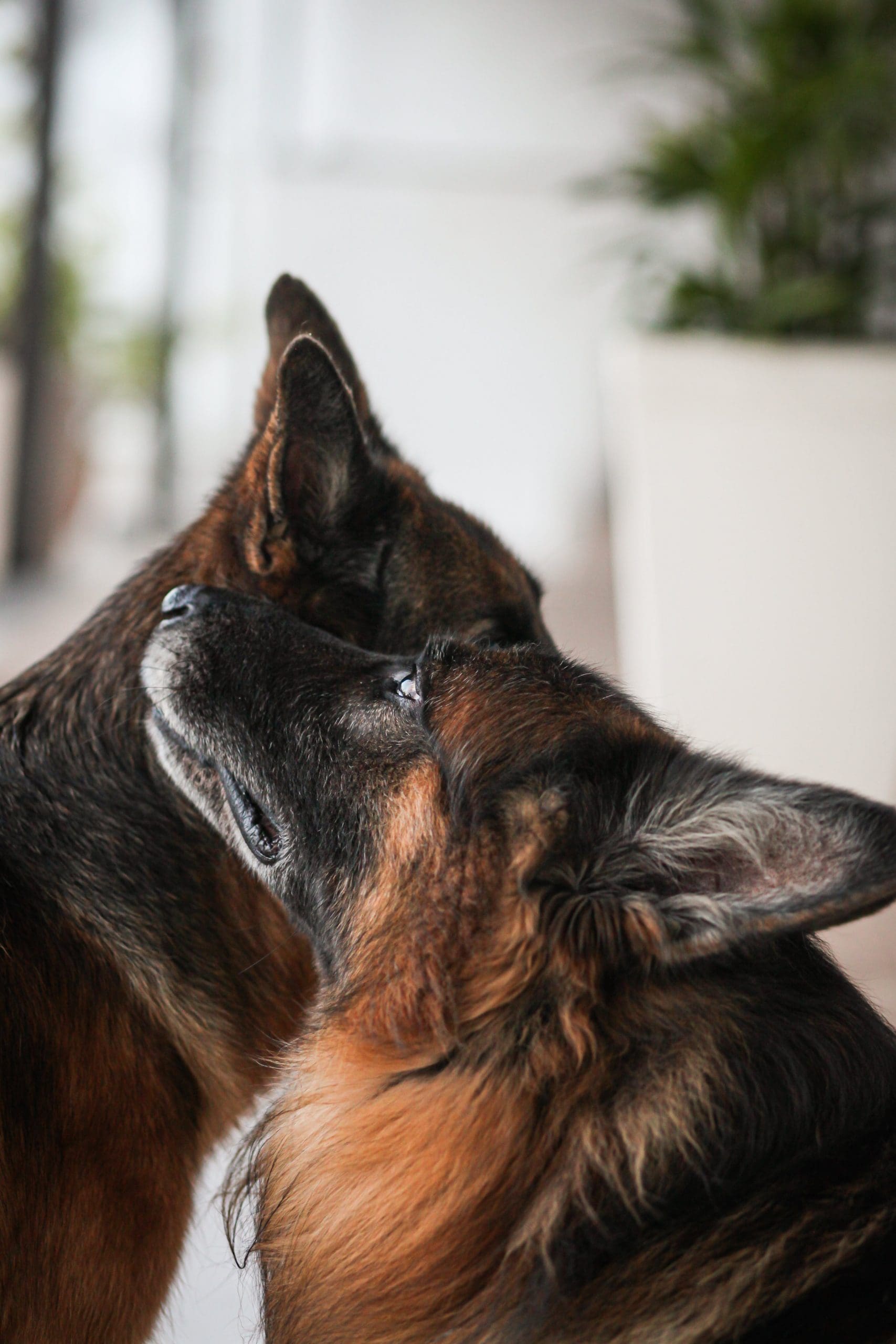
How to show your dog you love them?
Post Date:
December 18, 2025
(Date Last Modified: February 5, 2026)
Showing a dog you love them is more than petting and treats; it shapes their behavior, reduces stress, and improves the relationship you share. This piece explains why it matters, gives fast actions you can use immediately, then walks through the biology and behavior behind bonding, when dogs need extra reassurance, warning signs to watch for, a step-by-step daily routine you can follow, environment and training strategies that support long-term trust, and recommended gear to make loving interactions safe and effective.
The real impact of affection on your dog’s health and your relationship
Dogs are social animals that tend to thrive in predictable, supportive relationships. For owners, that relationship often provides companionship, a sense of purpose, and measurable mental-health benefits such as reduced stress and loneliness. For dogs, a secure bond usually translates into calmer responses to new situations, more confidence around people and other animals, and easier learning during training.
Practical goals most owners share are simple: a dog who is confident walking on a leash, who trusts hands during grooming and vet visits, and who settles calmly at home. Those outcomes tend to come from consistent, appropriate ways of showing affection rather than occasional indulgence or contradictory handling.
Different life situations change how love needs to be shown. A new puppy needs guided socialization and gentle limits. A rescue dog often requires gradual trust-building and patience with triggers from their past. Senior dogs may need gentler handling, pain assessment, and more quiet reassurance. In everyday life you reinforce good habits; in crisis—illness, travel, storms—you shift to active reassurance, safe containment, and, where needed, professional support.
Simple things you can do today to make your dog feel loved
If you want to start showing your dog love right away, focus on consistent, clear behaviors that the dog can predict and learn from. The four most effective, immediate steps are:
- Use consistent affectionate cues: slow, calm petting on places most dogs prefer (base of neck, chest), a soft tone of voice, and brief, relaxed eye contact. Avoid looming over fearful dogs.
- Reliably meet basic needs: predictable meal times, daily walks or play, and a quiet spot to rest. Predictability reduces anxiety and helps the dog associate you with safety.
- Favor positive reinforcement: reward desired behaviors with treats, praise, or play rather than relying on scolding. Dogs tend to repeat actions that bring pleasant outcomes.
- Respect personal space and boundaries: if a dog moves away, allow it. Pressure to “force” closeness can backfire, especially with shy or rescued animals.
Reading your dog’s love language: body cues, sounds, and behaviors
Bonding is both biological and learned. Interactions that feel rewarding to a dog are likely linked to neurochemical shifts—humans and dogs may release oxytocin during calm, affectionate exchanges—but the strength of the bond also depends on repeated positive experiences. Over time, your presence, tone, and touch become cues that signal safety.
Body language is the daily currency dogs use to express and read affection. A relaxed tail wag that involves the whole rump, soft eyes, a loose mouth, and relaxed posture often indicate comfort. Leaning into you or resting their head on your leg is a proximity-based reward; many dogs learn that leaning brings petting or calm attention. Conversely, a stiff body, whale eye (showing the whites), or tucked tail usually signals discomfort—not affection.
Touch and proximity function as social rewards when they match the dog’s preferences. Some dogs like long cuddles; others prefer brief contact and mutual activities like walks or play. Much of attachment is built through learned associations: if your approach reliably precedes pleasant outcomes—food, play, petting, or relief from stress—the dog forms a stronger, trust-based attachment.
When dogs need extra affection—stress, illness, aging, and life changes
Certain moments raise a dog’s need for reassurance. Stressful events such as veterinary exams, thunderstorms, fireworks, or moving house are times to offer extra calm support: low-volume voice, predictable routines, and access to a secure den-like space. During these events, love shown as calm structure often helps more than extra excitement.
Different life stages shift needs. Puppies need consistent socialization, short training sessions, and protection from overwhelming stimuli. Adolescents test boundaries; clear, fair rules help them learn limits. Older dogs may lose mobility, sight, or hearing, and can become more anxious or irritable—gentle handling, pain evaluation, and adjusted exercise are important.
After high-energy activities or training, dogs can be receptive to quiet connection: a short grooming session, gentle massage, or a chew toy when settling down. When they are ill or recovering, they need humane handling, consistent medication schedules if prescribed, and less stimulation while still getting gentle reassurance.
Recognizing red flags: pain, anxiety, and behaviors that need attention
Most affectionate behaviors are helpful, but there are situations where normal petting or closeness may be harmful or indicate deeper problems. Escalating aggression, such as growling or lunging when approached, often reflects fear, resource guarding, or pain rather than “badness.” If you see repeated escalation, stop the interaction and seek professional assessment.
Signs of pain—sudden flinching when touched, limping, reluctance to be picked up, or change in posture—mean you should reduce handling and consult a veterinarian. Severe anxiety that shows as destructive behavior, attempts to escape, self-injury, or continuous trembling requires a more structured plan that may include behavior modification and veterinary input. Sudden loss of appetite, collapse, seizures, or fainting are medical emergencies; do not attempt to soothe through normal affection alone—get veterinary care immediately.
A practical daily routine to build trust and deepen your bond
Here is a practical daily sequence you can follow to reliably show care and build trust. Follow the order, adapt timing to your schedule, and keep interactions predictable.
Morning: greet calmly. Avoid high-energy greetings that can overstimulate. Offer a short walk or a lick mat filled with breakfast-safe food if you use that approach. Consistent morning structure helps set expectations.
Midday: enrichment and training. Two or three short training sessions (5–10 minutes each) using positive reinforcement help maintain focus and channel energy. Intermix play, puzzle feeders, or scent games to provide mental stimulation. I often see dogs become calmer at home when they get purposeful tasks mid-day.
Afternoon/Evening: exercise and gentle bonding. A longer walk or play session followed by a quiet ritual—brushing, a calm petting session, or an obedience cue with a treat—builds association between you and relaxation. Use touch that the dog prefers; pay attention if the dog shifts away and modify accordingly.
Before bed: predictable wind-down. A final short walk, crate or bed placement, and a low-light environment cue sleep. If your dog is anxious at night, a secure crate, a pheromone diffuser, or a familiar blanket can reduce stress.
What-if quick responses: if a dog overreacts on walks (reactivity), increase distance, reward calm behavior with high-value treats, and gradually desensitize to triggers. If fear appears, reduce pressure, allow escape routes, and apply counterconditioning—pair the fearful trigger with something positive. If overstimulation occurs during play, pause and return to calmer interaction; teach a “settle” cue and reward it consistently.
Designing the right environment and training for a happier dog
Environment and training choices shape how safe a dog feels. Create quiet zones—a crate with a soft bed, a gated corner with toys, or a low-traffic room—so the dog can retreat when overwhelmed. Introduce new stimuli gradually: short, controlled exposures with high-value rewards are often more effective than intense, sustained sessions.
Desensitization and counterconditioning are practical methods to change emotional responses. For example, to reduce thunder fear, play recordings of storms at very low volume while giving treats and raising volume slowly over weeks, monitoring stress signs. For leash reactivity, reward attention to you at increasing proximity to the trigger, moving back if the dog shows tension.
Consistency across family members matters. Use the same cues for sit, come, or settle and agree on where the dog sleeps and what items are off-limits. If caregivers differ in approach, the dog receives mixed signals and progress stalls. Have a simple agreement: one person at a time uses food rewards, or everyone follows the same leash-training plan.
When to escalate: if fear or aggression is frequent, if training stalls for months, or if safety is compromised, consult a certified behaviorist or a veterinarian who works with behavior cases. I typically recommend a veterinary check first to rule out pain or medical causes, then a behavior plan that includes clear steps, milestones, and often in-person guidance.
Practical gear and tech that help your dog feel cared for
Thoughtful tools can support safe bonding, enrichment, and stress reduction. Choose equipment and items that fit your dog and the goal—no flashy gadgets that create new problems.
- Proper-fit harnesses and flat collars: a well-fitting harness reduces neck strain and gives you better control during walks; avoid harsh choke devices.
- Puzzle feeders and enrichment toys: slow-feeding bowls, snuffle mats, and food-dispensing toys provide mental work and can reinforce calm behavior.
- Calming aids: a properly sized thundershirt, and dog-appeasing pheromone options (Adaptil diffusers or collars) may help some dogs during acute stressors; these are adjuncts, not replacements for training.
- Safe grooming and handling tools: soft brushes, non-slip grooming mats, and treats for positive grooming associations make handling a neutral or pleasant experience.
References, studies, and recommended further reading
- American Veterinary Medical Association (AVMA): “Human-Animal Bond” resources and guidance on pet welfare and behavior.
- American College of Veterinary Behaviorists (ACVB): guidance on finding board-certified veterinary behaviorists and position statements on behavior care.
- ASPCA: “Signs of Stress in Dogs” and behavior resources for shelter and home integration.
- Nagasawa, M., et al., 2015. “Oxytocin-gaze positive loop and the coevolution of human-dog bonding.” Science Advances.
- Odendaal, J.S.J., and Meintjes, R.A., 2003. “Neurophysiological correlates of affiliative behaviour between humans and dogs.” Veterinary Journal.
- Merck Veterinary Manual: “Canine Behavior” and practical overviews of behavior disorders and management.
