
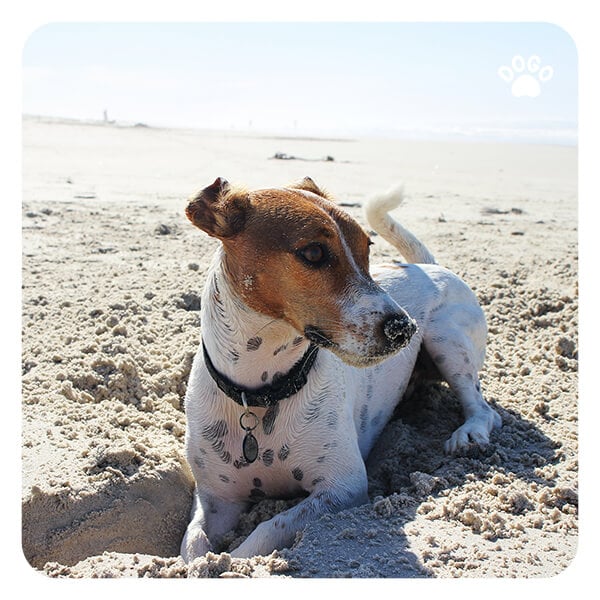
How to Protect Your Garden: Sandbox For Dogs
Post Date:
October 22, 2023
(Date Last Modified: November 13, 2025)
A sandbox for dogs is a dedicated digging area that helps protect garden beds while giving dogs a safe place to satisfy digging instincts.
Why a Dog Sandbox Works
Redirecting digging into a defined spot reduces trampling and uprooting of plants and concentrates soil disturbance in one manageable zone; a common practical minimum for a sandbox is about 3 feet wide and 6 inches deep to encourage use and provide adequate substrate for digging [1].
Beyond protecting plantings, a sandbox supplies mental stimulation and a physical outlet for breeds that are prone to digging, which can lower stress-driven garden destruction when combined with enrichment and training [3].
When placed and managed correctly, a sandbox complements fencing, raised beds, and mulch choices to form a multi-layered approach that keeps both plants and pets safer [1].
Design & Placement
Locate the sandbox where the dog will naturally go: within sight of doors and human activity to encourage supervised use and quick redirection; a practical placement window is within about 10 to 30 feet of main entry points for easy supervision and frequent reinforcement [2].
Choose a spot with partial shade for hot climates and with good surface runoff so water does not pond in the sand; aim for a gentle slope or existing drainage path to avoid standing water [6].
Keep pedestrian and garden flow in mind: place multiple sandboxes or a larger box if you have more than one heavy digger so dogs do not compete for space and subsequently spread digging behavior back into beds [3].
Size, Shape & Construction Options
Match sandbox dimensions to dog size and household dynamics rather than trying to force a small dog into a large communal pit; general size groupings help guide planning and material needs [3].
| Dog Size | Suggested Width | Suggested Depth |
|---|---|---|
| Small (toy to small breeds) | 2–3 ft (0.6–0.9 m) | 6–8 in (15–20 cm) |
| Medium | 3–4 ft (0.9–1.2 m) | 8–10 in (20–25 cm) |
| Large & multi-dog use | 4–6 ft (1.2–1.8 m) or larger | 10–12 in (25–30 cm) |
| Multiple heavy diggers | Increase width by 25–50% per additional dog | Maintain 10–12 in (25–30 cm) |
Construction choices include in-ground pits (lower profile, natural look), raised framed boxes (better drainage and pest control), or modular plastic tubs (easy to clean but less durable). Wood frames like rot-resistant cedar give a natural finish but will eventually weather; composite or plastic frames resist rot but may retain heat in sun-exposed sites [6].
Substrate Selection & Comfort
Use clean, non-toxic play sand formulated for playgrounds or sandboxes rather than construction sand or beach sand that can contain salts, shells, or contaminants; a working guideline is to provide a 6–12 inch layer of clean play sand for comfortable digging and cushioning [1].
Coarse-play sand drains faster and shakes loose debris more readily, while finer sand is softer under paws but can compact; avoid silica dust-rich products and any sand labeled for industrial use [4].
Alternatives such as pea gravel, smooth river rock, or playground mulch can reduce digging but may be uncomfortable or risk ingestion; test a small area first and monitor for chewing or swallowing before committing yard-wide [6].
Install a permeable liner and gravel layer beneath the sand to improve drainage in sites with heavier clay soils, and slope the base slightly toward an outflow to limit standing water [6].
Containment, Covers & Safety Features
Design edges so dogs can step in and out easily while preventing soil from the surrounding beds from washing into the sandbox; an 2–4 inch lip or beveled edge helps contain sand while allowing access [4].
Provide a removable cover or fitted tarp to keep other animals, wildlife, and weather out; regular covering when not in use lowers contamination risk and preserves sand quality [4].
Fasteners and anchors should be stainless or coated to avoid rust and be non-toxic; secure lightweight covers with stakes or straps so wind cannot expose the sand or create hazards [6].
Hygiene, Cleaning & Maintenance Routine
Remove dog feces from the sandbox immediately and perform a thorough sweep daily if the area is in regular use to limit exposure to parasites and bacterial contamination [5].
Sift or rake the sand weekly to aerate and remove foreign material, and plan to refresh or top up sand as needed; many caretakers replace a portion of the sand every 6–12 months depending on use and contamination levels [4].
For seasonal deep cleaning, remove sand and scrub the base with a mild disinfectant safe for animals, rinse thoroughly, allow complete drying, then replace sand; consult your veterinarian for disinfectant choices if pets have known health issues [4].
Monitor for pests such as fleas or rodents; eliminating shelter and standing water around the sandbox and maintaining regular feces removal are primary preventive steps recommended by public-health guidance [5].
Training & Behavioral Techniques
Use short, repeatable sessions when introducing the sandbox: begin with 3–5 minute supervised sessions and gradually extend time as the dog learns the location and purpose [3].
Shape the behavior by rewarding targeted digging in the sandbox with treats and praise, and gently redirect dogs to the sandbox whenever they begin to dig elsewhere; consistency in cueing and reward timing accelerates learning [3].
For multi-dog households, train each dog individually first and then supervise group sessions to reduce competition; make sure there is adequate space so dominant animals do not displace others during digging play [2].
Protecting Plants & Garden Areas
Temporary low barriers like plastic edging, short fences, or plant collars around vulnerable beds deter digging while plants establish; raised beds that start 12–18 inches above grade make roots less accessible to typical digging behavior [6].
Place sacrificial or decorative planting strips—areas intentionally left for digging—adjacent to the sandbox so dogs have attractive alternatives without accessing core plantings [1].
Choose groundcovers and mulch that are less appealing to diggers; coarse mulches and certain groundcover plants create a less inviting surface than fine loose materials [1].
Enrichment Add-Ons & Ongoing Interest Strategies
Keep the sandbox novel by rotating activities and items rather than letting it become stale; a short, varied enrichment plan sustains interest over months to years [2].
- Rotate toys and safe buried objects every 1–2 weeks to renew curiosity [2].
- Hide high-value treats in shallow caches during supervised sessions to teach purposeful digging [3].
- Introduce scent trails or short scent-detection games to link digging to problem-solving instead of frustration relief [3].
Vary textures by adding shallow safe objects like driftwood or flattened PVC tubes for exploratory digging—rotate these elements to keep the sandbox engaging [1].
Costs, DIY Plans & Buying Guide
Budget-friendly DIY builds using reclaimed wood and playground sand commonly cost in the $30–$150 range for a modest box, while pre-made or premium kits can range from about $100 to $600 depending on size and materials [1].
A simple DIY plan requires basic tools (saw, drill, screwdriver), fasteners rated for outdoor use, a liner or landscape fabric, and about 0.5–1 cubic yard of play sand for medium boxes; confirm quantities with a retailer or extension resource for your exact box size [1].
Consider hiring a landscaper when the sandbox must integrate with irrigation, drainage work, or permanent masonry edging; professional installation reduces the likelihood of runoff or pest entry problems that can arise with amateur siting [6].
Sources
- extension.org — Cooperative extension resources on yard, soil, and play sand recommendations.
- avma.org — American Veterinary Medical Association guidance on animal care, supervision, and enrichment.
- aaha.org — American Animal Hospital Association resources on behavior and training practices.
- merckvetmanual.com — Merck Veterinary Manual on sanitation, parasite control, and cleaning protocols.
- cdc.gov — Centers for Disease Control and Prevention information on zoonotic risks and fecal hygiene.
- usda.gov — USDA guidance on soil, drainage, and landscape construction considerations.
