
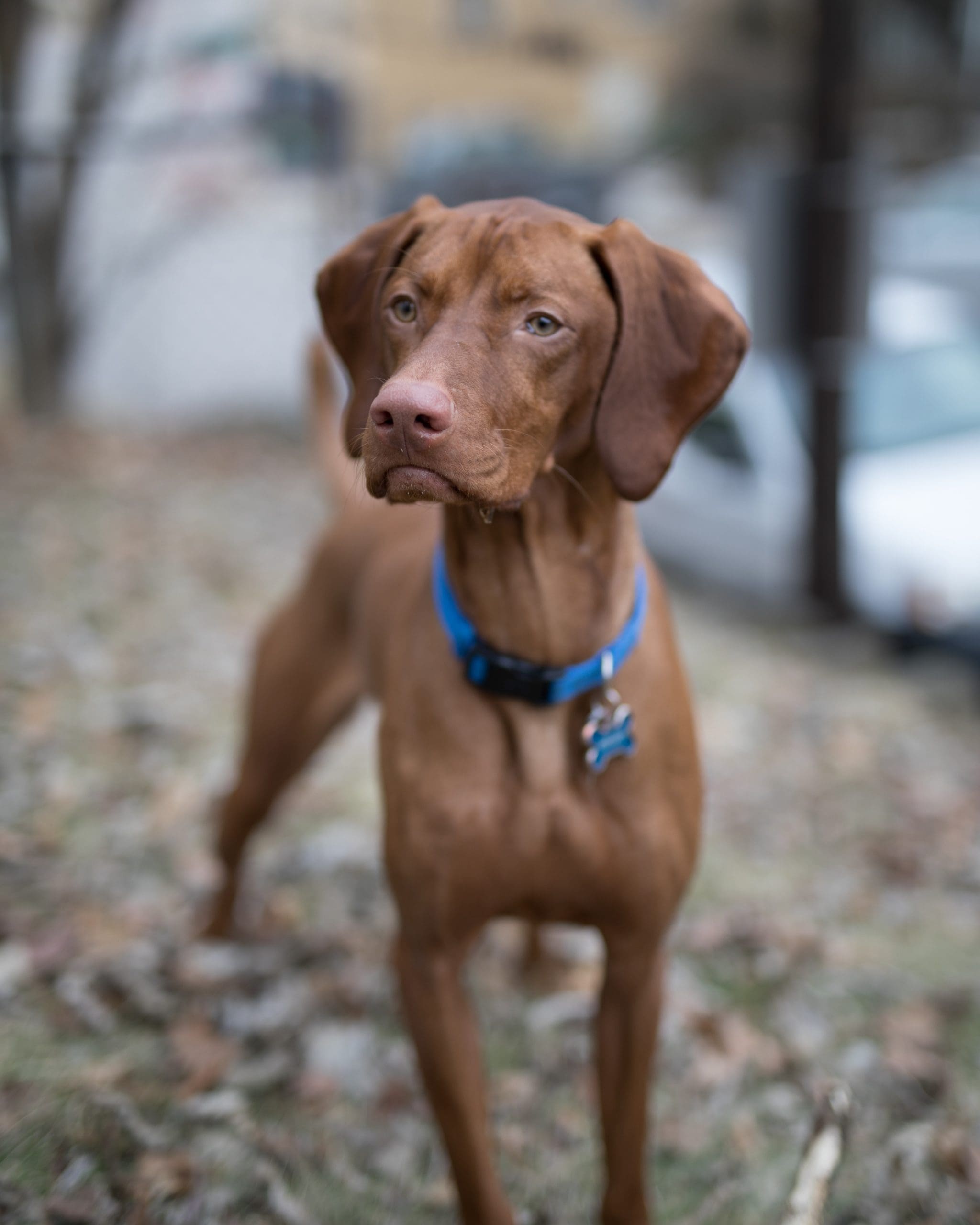
How to get a dog to lose weight?
Post Date:
January 7, 2026
(Date Last Modified: February 5, 2026)
Helping a dog lose weight is one of the most practical, high-impact things an owner can do for their companion. Extra pounds may be silent, but they often reduce how much a dog enjoys everyday life: less running, less jumping up to greet you, and more slipping and struggling on stairs. For people who love their dogs, those small losses add up to a visible change in personality, mobility, and time together—so a plan that is steady and kind can restore both health and the simple pleasures of play.
How a healthy weight improves your dog’s energy, joints and lifespan
Carrying excess weight is likely linked to a shorter lifespan in dogs and may increase the chance of conditions such as arthritis, heart disease, and diabetes. The strain on joints from added weight is one of the clearest, most common harms; it can accelerate cartilage wear and make movement painful. Even modest weight loss—often just 5 to 10 percent of body weight—may noticeably improve mobility and reduce pain for many dogs.
Owners often notice weight gain after a change in routine: a formerly active dog becomes less active with age, dogs may become quieter after neuter surgery, or a busier household leads to more handouts and treats. I typically see indoor, low-activity pets and senior dogs on the heavier side because their calorie needs drop while feeding habits stay the same.
Quality-of-life improvements are often immediate and motivating. Owners report that dogs breathe easier on walks, show more interest in toys, climb stairs more readily, and recover from activity faster. These everyday differences are powerful incentives to stick with a plan.
Start today: a compact action plan to kick off your dog’s weight loss
- See your veterinarian for a baseline exam and an achievable target weight.
- Measure current food and cut calories gradually—around a 10–20% reduction to start—rather than an abrupt, large cut.
- Increase daily activity safely: add short walks or play sessions and track weight weekly to watch progress.
Inside your dog’s body: how weight gain happens — metabolism, hormones and calories
Weight change in dogs follows a basic energy balance: calories eaten versus calories burned. When intake consistently exceeds energy use, the body stores the extra as fat. Because energy needs fall as dogs age or lose muscle, the same amount of food can become too many calories over time.
Metabolism is not a single fixed number; it may shift. After neuter surgery, many dogs are likely to reduce total activity and sometimes experience subtle metabolic changes that lower daily calorie needs. Aging also tends to reduce lean mass and resting energy use, so body composition—not just weight—matters. A dog with more muscle will burn slightly more calories at rest than a dog of the same weight with less muscle.
Hormones influence appetite and how energy is partitioned. Leptin and insulin signaling, for example, play a role in hunger and fat storage in mammals, and some medical conditions may alter appetite or metabolism. These biological factors mean that diet and exercise are essential, but occasionally medical investigation is needed if weight behavior is unusual.
When dogs are most likely to gain weight — life stages and common triggers
Certain life stages and events commonly trigger weight increases. Immediately after surgery or neutering, many dogs reduce activity during recovery and then resume prior feeding amounts, which can lead to slow weight gain. Older dogs often become less active and may be walked less, which similarly lowers calorie expenditure.
Seasonal and household changes matter too. Winter may bring shorter walks and more indoor time; guests and family members may offer more treats. A new baby or a busier work schedule can unintentionally shorten active time. Even small, repeated extras—an extra half-cup of food here, table scraps there—can add up to pounds over months.
Health alarms: red flags, complications and when to contact your vet
- Rapid weight loss, severe lethargy, persistent vomiting or diarrhea—these may suggest illness and need immediate veterinary attention.
- Marked increases in thirst or urination, sudden breathing difficulty, or collapse while walking—these are urgent signs that should be evaluated promptly.
- New or sudden lameness, signs of pain, or failure to improve with diet changes—these could indicate underlying orthopedic or systemic problems and warrant veterinary follow-up.
Owner’s roadmap: practical weekly goals and monitoring tips
Begin with a body condition score (BCS) and a weight record. A BCS chart is a practical visual tool that helps you and your veterinarian decide how much excess weight is present; it often uses a 9-point or 5-point scale. Record current weight and take photos from above and the side—these help track subtle changes over weeks.
Schedule a veterinary exam. Your veterinarian can confirm overall health, rule out medical causes for weight gain, and set a realistic target weight. I typically aim for a steady, moderate rate of loss and set interim goals so owners have clear milestones. If a medical issue is found, treat that first or in parallel with a weight plan.
Calculate caloric needs. A common starting point is to estimate Resting Energy Requirement (RER) with a standard formula and then apply an appropriate multiplier for weight loss under veterinary guidance. For many dogs, feeding 70–80% of maintenance calories—or roughly a 10–20% reduction—may initiate slow, safe weight loss. Exact needs vary by age, breed, and body composition, so use these estimates as a starting point and adjust based on progress and veterinary advice.
Switch to a balanced weight-loss diet if recommended. These diets typically provide high-quality protein to preserve lean mass, increased fiber to enhance satiety, and controlled fat to lower calorie density while still meeting essential nutrients. A commercial diet formulated for weight management is convenient; for complex cases, a veterinary nutritionist can tailor a plan.
Implement a progressive exercise plan. Begin at a level your dog tolerates and increase duration and intensity gradually—shorter, more frequent walks or play sessions are often more sustainable than one long outing. Combine low-impact activities like swimming or leash walks for dogs with joint issues. Track weight and body condition every 1–2 weeks and adjust calories or activity if loss stalls.
Schedule rechecks. Regular check-ins with your veterinarian—often every 4–8 weeks—help confirm the dog is losing at a safe pace and not becoming nutrient deficient. If a dog is losing weight too quickly, appears weak, or changes in behavior occur, slowing the rate and re-evaluating health is important.
Shape the surroundings: feeding routines, exercise plans and behavior tweaks
Control access to food by measuring portions with a scoop or kitchen scale and avoiding free-feeding. Keep food out of reach between meals and ask all family members and guests to follow the rules—consistency is essential. Establish simple family guidelines: one person feeds and measures, everyone declines table scraps, and treat quantities are tracked.
Limit treats and make them count. Use small, low-calorie treats or break larger treats into pieces. Consider using a portion of the daily kibble allowance for training rewards so the total calories remain the same. Teach polite alternative behaviors to begging, such as going to a mat or engaging in a short training routine when food is present.
Increase mental stimulation to reduce food-focused behavior. Puzzle feeders, food-dispensing toys, and short scent games add effort to eating and burn energy. These activities also reduce boredom-driven begging and can be particularly useful on days when physical exercise is limited by weather or recovery periods.
Helpful, safe gear: collars, scales and tools to support weight loss
A digital pet scale and a reliable kitchen scale are among the best investments: they allow accurate tracking of weight and precise portion control. Measuring cups are a minimum, but weighing food is more accurate, especially with dense diets.
Slow-feed bowls and food puzzles slow the rate of eating and increase activity around mealtimes. Harnesses that distribute pressure across the chest, rather than collars, are safer for increasing leash walks in heavier dogs and can make walks more comfortable. An activity tracker or pedometer designed for dogs may give useful feedback on movement trends and motivate consistent increments in activity.
Treat-dispensing toys and snuffle mats convert kibble into enrichment, which can help reduce total treat calories while adding mental and physical work. For dogs with joint pain, consider low-impact gear like flotation vests for supervised swimming or ramps to reduce strain when getting into cars or onto furniture.
Sources and further reading: studies, guidelines and expert advice
- Merck Veterinary Manual: “Obesity in Dogs” — Merck Sharp & Dohme Corp., Veterinary Manual online resource
- American Animal Hospital Association (AAHA): “Weight Management Guidelines for Dogs and Cats” (2018)
- Association for Pet Obesity Prevention (APOP): “Pet Obesity Facts & Resources” — data and owner guidance
- World Small Animal Veterinary Association (WSAVA): “Global Nutrition Toolkit for Small Animal Practice”
- American Veterinary Medical Association (AVMA): “Obesity in Pets” client education materials
- National Research Council (NRC): “Nutrient Requirements of Dogs and Cats” (2006)
