
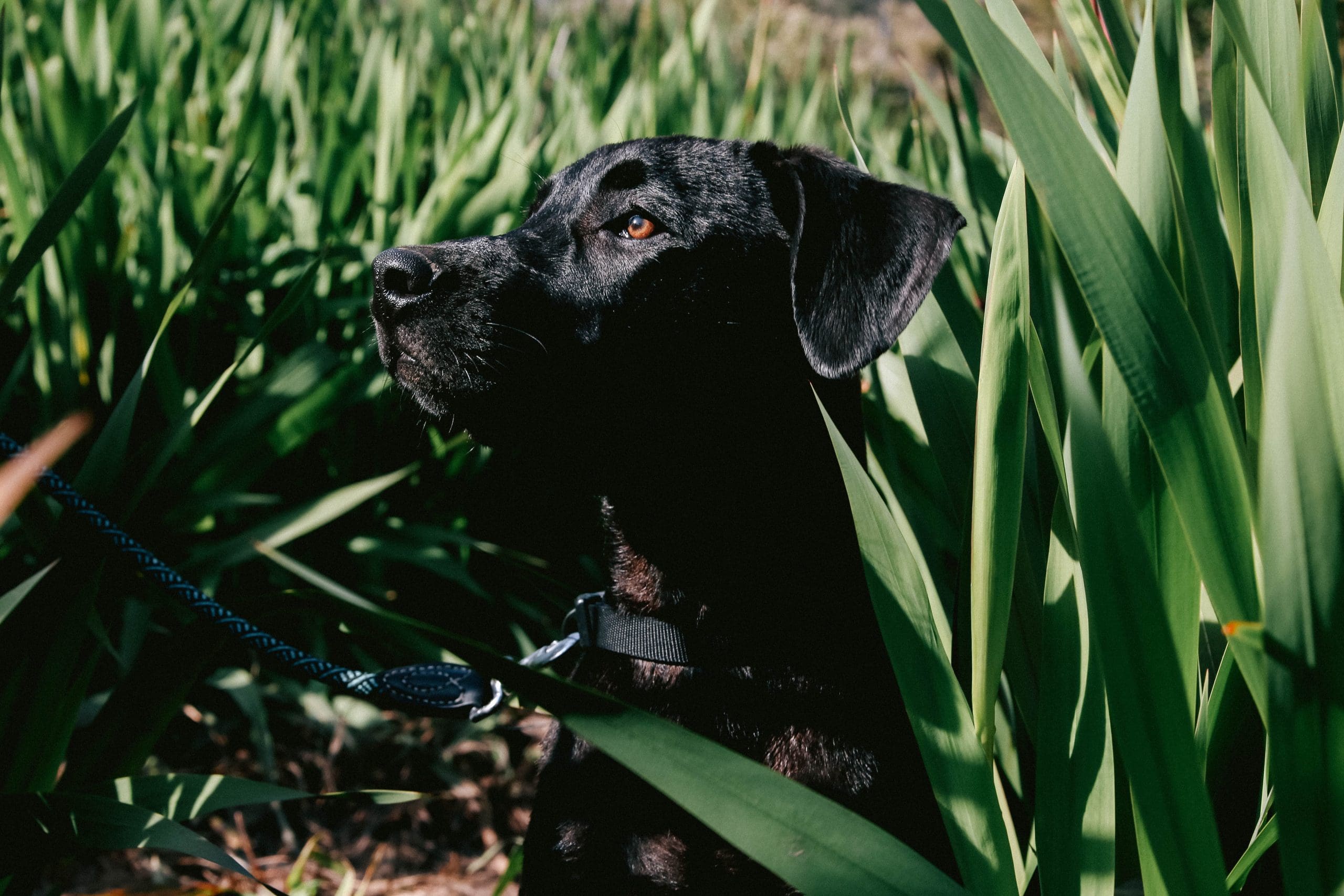
Dog groan when lying down?
Post Date:
December 1, 2025
(Date Last Modified: February 5, 2026)
If your dog makes a low groan when lying down, you’re not alone in noticing it — that small sound can be comforting, puzzling, or worrying depending on the dog and the moment. I typically see groaning discussed by attentive owners who are trying to read their dog’s comfort level; often the noise is harmless, but sometimes it points to something that needs a change in care or a vet check. Below I walk through who notices these sounds, the likely reasons, when they tend to occur, how to respond, and practical steps to reduce discomfort at home.
Who should read this: owners of puppies, seniors, and dogs with mobility issues
Different types of owners notice groaning for different reasons, and the right response depends on context. A new puppy that groans while settling may be learning to relax; a senior dog that groans while rising may be signaling joint discomfort. In homes with several dogs, one animal’s groan might be easy to miss unless someone is watching patterns. Owners who are tracking chronic conditions — arthritis, intervertebral disc disease, or respiratory problems — often use groaning as one of many behavioral clues to whether treatment is working. And when people post a clip to an online group or bring a short video to the vet, that shared observation can speed up diagnosis because it gives a clear example of timing, tone, and associated movements.
- New puppy vs. senior dog: Puppies may groan as a contented noise; older dogs may groan because of stiffness or pain when changing position.
- Multi-dog household: Patterns are easier to detect when someone watches how one dog’s sounds differ from others—are the sounds new or persistent?
- Owners monitoring chronic conditions: Groaning may be one measurable sign that coincides with reduced mobility, less play, or altered sleep.
- Community sharing or vet consults: A short video or timeline of groaning events can help a vet or experienced owner decide whether to intervene.
Most likely causes of groaning when a dog lies down
Most often, a groan when lying down comes from one of a few broad sources. It may be a relaxed, contented vocalization; a brief expression of stiffness or discomfort as muscles and joints shift; a noise related to breathing or digestion; or an attention-seeking, learned behavior. Each of these possibilities has different clues you can watch for: accompanying body tension, changes in gait, altered appetite, or whether the sound reliably brings a reaction from a person in the room.
What a groan can mean — communication, comfort, or pain?
Groaning can serve several biological and communicative functions. A low vocalization while settling often signals contentment or the release of tension, similar to a human sigh. Dogs may also vocalize as they shift weight or stretch sore muscles; in that case the sound is likely linked to discomfort and a short-term relief response.
When groaning is related to pain, the sound is part of a broader behavioral pattern driven by the nervous system. Pain tends to make dogs protect a limb or avoid specific movements; the vocalization may occur at moments of pressure on a sensitive area. Because pain is subjective and varies between dogs, the presence of a groan may suggest an underlying problem but doesn’t, by itself, quantify severity.
Some groans can come from the chest or abdomen rather than the vocal cords: shallow breathing, partial airway obstruction, or certain gastrointestinal gurgles sometimes register as a groan when a dog changes position. Age-related changes in joints and spine also increase the chance that a dog will make a noise while settling; cartilage thinning, decreased joint range-of-motion, and spinal stiffness are common contributors in older dogs.
Where and when dogs typically groan: common situations and triggers
Timing gives important clues. Groans are often linked to a specific movement or state rather than occurring randomly. Common contexts include when a dog lies down, gets up, or rolls over — those transitions put pressure on joints and soft tissues. After exercise, muscles and joints can be tense and a groan may show as the dog relaxes. Feeding and digestion can bring noises if the abdomen is uncomfortable or if swallowing and breathing patterns change while a dog settles. Cold weather and sleeping on hard surfaces can make cracks and stiffness worse, increasing the likelihood of audible responses to position changes. Nighttime groaning or groans that happen when a dog is suddenly awakened may reflect disorientation or discomfort after prolonged immobility.
When to worry: red flags and urgent symptoms to watch for
A single soft groan with no other changes is usually less concerning than groaning that increases, changes tone, or accompanies other signs. Look for escalation in frequency or volume, a new harsh or high-pitched sound, or groans that are paired with marked behavior changes. If a dog limps, has trouble rising, collapses, or shows obvious stiffness and reluctance to move, groaning is more likely to be pain-related and worth urgent evaluation. Systemic signs such as loss of appetite, repeated vomiting, fever, or labored breathing alongside groaning also increase concern. Aggression tied to vocalization — for example, a dog that growls or snaps when touched after making a groan — may indicate severe pain or injury and should be addressed without delay.
- Increased frequency/intensity: More or louder groans, or a change in tone, may suggest worsening discomfort.
- Mobility problems: Limping, stiffness, difficulty rising, or collapse accompanying groans is a red flag.
- Systemic illness signs: Appetite loss, vomiting, fever, or breathing difficulty together with groaning needs prompt attention.
- Defensive behavior: If groaning is followed by growling, snapping, or withdrawal when handled, consider severe pain or injury.
Practical owner actions you can take right away
First, observe calmly and record what you see. Note the exact moment relative to movement (lying down, getting up, rolling), how often the groan happens, its relative loudness, and any associated changes like limping, shifting weight, or reluctance to climb stairs. A short video taken with your phone can be very helpful to show a veterinarian.
Second, if your dog tolerates gentle handling, try a light palpation of the limbs and spine to see if you can elicit a pain response — observe for pulling away, flinching, tensing, or focused attention on a spot. Only do this if the dog is calm; if there’s any sign of aggression or severe pain, stop and seek professional help.
Third, adjust the immediate environment to reduce strain: switch to a more supportive bed, add a non-slip mat near high-traffic jumps, and discourage sudden movements like forced turns. If the groan seems attention-seeking, avoid immediate rewards for the sound; instead, reinforce calm behavior with treats or quiet praise when the dog settles without groaning.
Finally, contact your veterinarian with documented observations, videos, and any changes over time. If the groaning is severe, escalating, or paired with the red flags above, seek a same-day vet visit or emergency care. For chronic or intermittent issues, your vet may recommend a structured assessment and trial of pain management, mobility support, or diagnostic imaging.
Home adjustments and training tips to reduce groaning
Small changes at home often make a measurable difference. Provide a supportive bed in a quiet place — one with firm but forgiving foam can reduce pressure on joints. Non-slip surfaces or rugs on stairs and landing areas lower the risk of awkward slips that can trigger discomfort. Ramps and low steps help reduce the need to jump, which is especially useful for senior dogs or those with arthritis.
Training helps, too. Teach and reinforce a calm settling routine so your dog learns to lie down smoothly rather than flopping or twisting abruptly. Use positive rewards for slow, deliberate lying and rising; avoid inadvertently rewarding groans by immediately picking up a dog or giving attention every time a sound occurs. If the groaning appears to be anxiety-related — for example, it occurs when a dog is left alone — address the anxiety with gradual desensitization and counterconditioning rather than by immediately comforting the behavior.
Recommended gear and safety aids — beds, ramps, and comfort tools
- Orthopedic or elevated beds that distribute weight away from sore joints and reduce pressure points.
- Non-slip mats and indoor ramps or pet steps to cut down on jumping and provide safe transitions.
- Supportive harnesses or mobility slings that allow you to aid a dog’s hindquarters without putting strain on yourself or the dog.
- Heating pads or microwavable warm pads can ease stiffness for some dogs, but use only under supervision and with vet approval to avoid burns or inappropriate use with certain conditions.
Supplements and topical aids are commonly used but should be considered with veterinary input. Glucosamine, omega-3 fatty acids, and some nutraceuticals may help some dogs over time; however, their benefit varies, dosing matters, and they can interact with other medications. Never start or stop prescription pain medication without veterinary guidance.
If the groaning continues: monitoring, vet options, and next steps
If groaning persists despite environmental changes and a short home trial, return to your vet with clear notes or video. Your vet may recommend pain scoring, targeted physical tests, x-rays or advanced imaging, and bloodwork to rule out systemic causes. For dogs with confirmed arthritis or spinal disease, a combination of medication, weight management, physical therapy, and lifestyle modification is often the most effective approach. In many cases, measurable improvement is possible; in others, the goal becomes optimizing comfort and quality of life through a multi-component plan. If you’re ever unsure whether to act, err on the side of a veterinary conversation — early assessment often prevents more significant problems later.
Sources and further reading: veterinary guidance and key studies
- Merck Veterinary Manual: “Pain” and “Musculoskeletal Disease in Dogs” — Merck & Co., Inc. (sections on recognition and management)
- AAHA/AAFP: “2015/2020 AAHA/AAFP Pain Management Guidelines for Dogs and Cats” — American Animal Hospital Association and American Association of Feline Practitioners
- American Veterinary Medical Association (AVMA): “Recognizing and assessing pain in animals” guidance and client resources
- Ettinger, S.J., Feldman, E.C., Côté, E. Textbook of Veterinary Internal Medicine: Diseases of the Dog and Cat — Sections on musculoskeletal disease and pain
