


Category: Behaviour Issues
-

Reasons for Dog Aggression
Reasons for dog aggression range across medical, emotional, social, and environmental domains. Clear categorization of triggers supports targeted assessment and safer management. Medical and Pain-Related Causes Physical pain and medical conditions commonly underlie aggressive responses when a dog protects an injured area or reacts unpredictably to handling. Osteoarthritis is a frequent contributor to pain-related aggression
-

Dog Barking Academy: Message Behind the Bark
Dogs use barking as a flexible form of communication shaped by instinct and learning, with distinct sounds and accompanying signals that convey different intents. Why Dogs Bark Dogs produce barking for three broad communicative functions: alarm, play, and attention-seeking [1]. Barking can be an innate vocal pattern that is refined through social learning, so the
-

Dog Alone in the House – How Long Can Your Dog Be Left Alone?
Many dog owners need to balance work and life demands with their pet’s welfare when deciding how long a dog can safely be left alone in the home. Recommended Alone-Time Limits by Age and Life Stage Typical maximum alone time and bladder-control notes by age group Life Stage Typical Maximum Alone Time Bladder/Bowel Control Note
-

Dog Barking at Other Animals, Dogs, People
Dogs bark to communicate a range of intentions when they encounter other animals, dogs, or people, and the sound alone rarely tells the whole story. Observing context, body language, and patterns helps determine when the behavior is normal, a safety concern, or amenable to training. Barking Categories and Contexts Barking serves multiple communicative functions that
-
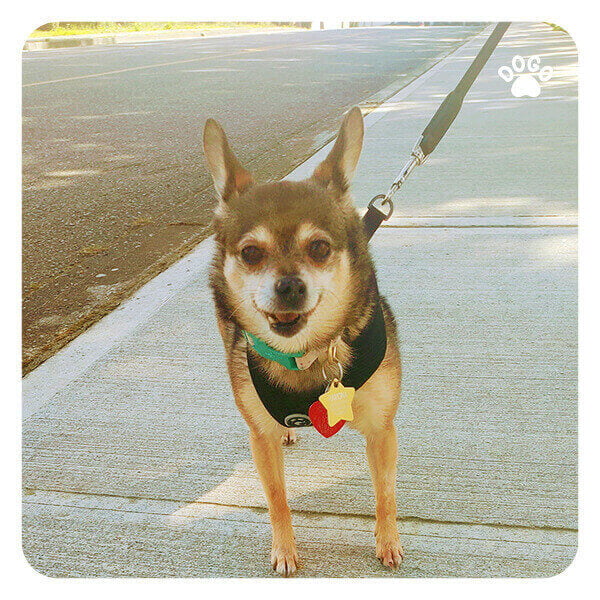
Leash Aggression
Leash aggression describes reactive behaviors dogs display while they are restrained on a leash and unable to freely avoid perceived threats. These responses can occur in a range of everyday settings and reflect underlying emotional and situational factors. Definition and Scope of Leash Aggression Leash aggression refers to a pattern of reactivity expressed by a
-
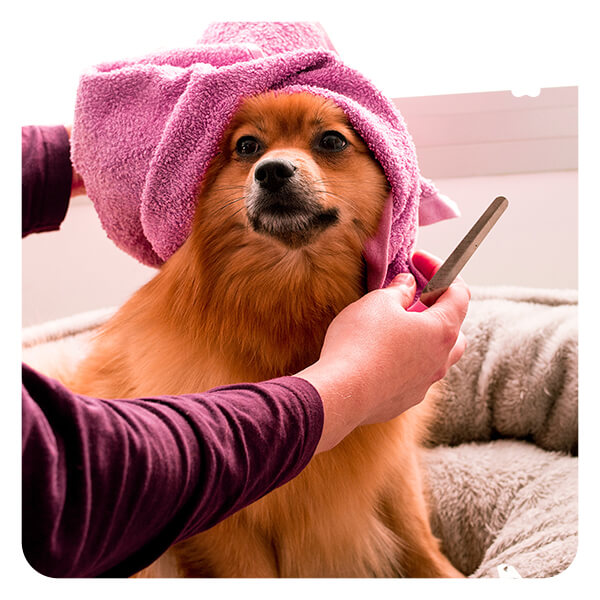
How to Prepare an Anxious Dog for Grooming
Grooming can be a stressful event for some dogs, and preparing an anxious dog involves both behavior work and practical planning to reduce distress and improve safety. Know Canine Anxiety Anxiety in dogs is an anticipatory, often persistent state that is distinct from acute fear, which is an immediate response to a present threat; both