
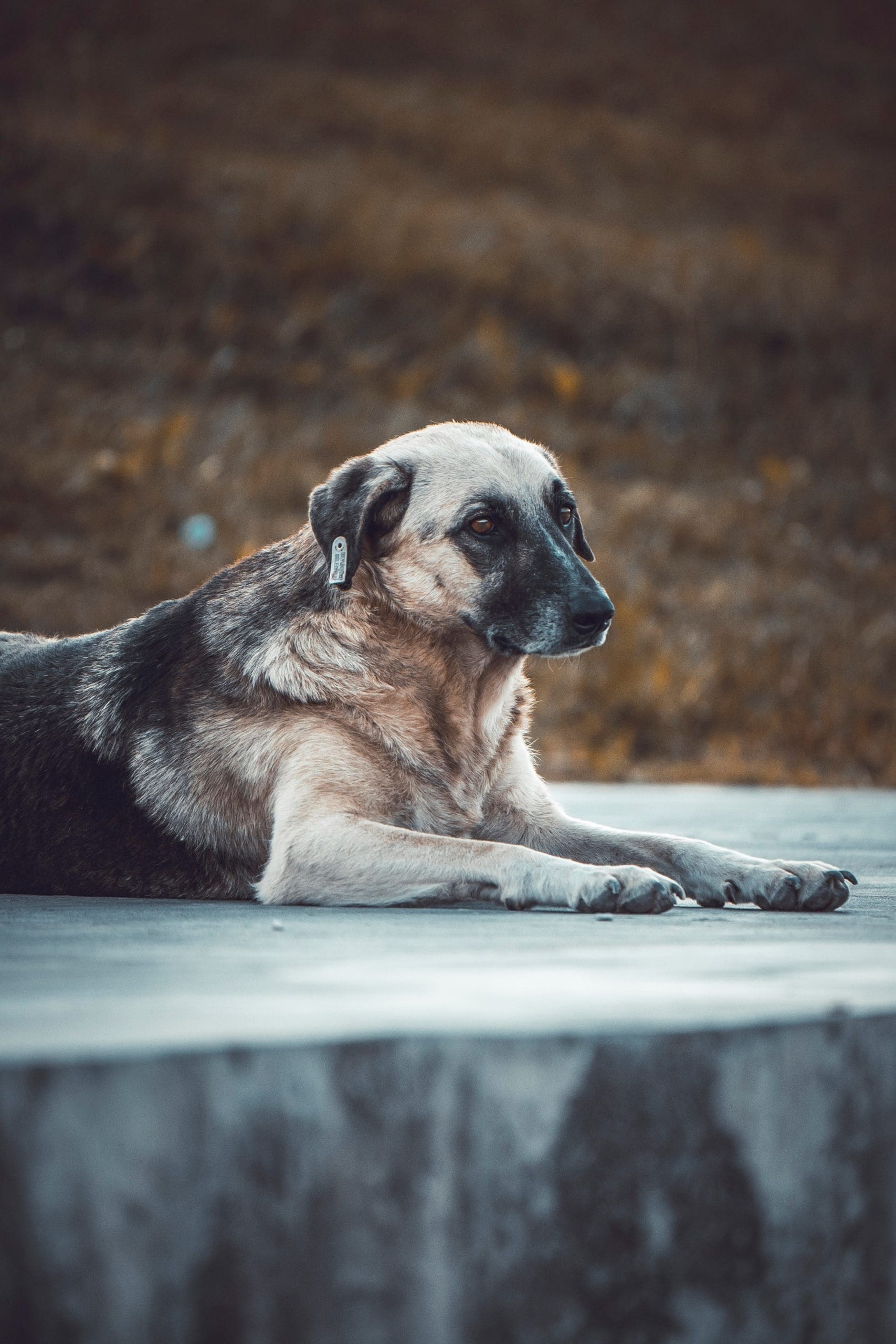
What to feed a sick dog?
Post Date:
January 24, 2026
(Date Last Modified: February 5, 2026)
If your dog is suddenly off their food or is sick, the right feeding approach can make a big difference to comfort, hydration and how quickly you and your vet can figure out what’s wrong. The goal here is practical: reduce immediate risk, keep your pet comfortable, and buy time to decide on next steps.
How the Right Nutrition Helps a Sick Dog Recover
Dogs who are vomiting, have diarrhea, or refuse food are at risk of dehydration, electrolyte imbalance and worsening gut irritation. A gentle feeding plan may help the gut settle and reduce abdominal cramping, while the wrong choices can make vomiting worse, add fat-induced upset, or delay professional diagnosis.
Common scenarios you’ll run into include a single bout of vomiting after eating something unusual, several episodes of diarrhea after a diet change, and anorexia when a dog feels nauseated or is systemically unwell. Each situation calls for a slightly different response and different urgency.
Most owners prioritize three things: comfort (reduce nausea and stomach pain), hydration (replace what’s lost), and safe recovery (avoid foods or behaviors that make the problem worse). Feeding choices can change whether you wait and watch or go straight to the clinic—for example, persistent inability to keep down water usually pushes you to urgent care.
Special populations—puppies, seniors, and dogs with chronic disease—need extra caution. Puppies dehydrate faster and may need veterinary attention sooner. Seniors or dogs with heart, kidney or endocrine disease may need tests and a tailored feeding plan rather than a generic “bland diet.” I typically recommend contacting a vet sooner for these groups rather than later.
What to Feed Immediately: A 24–48‑Hour Action Plan
If you need a clear, fast plan to act on now: briefly withhold food for a short period if your dog is actively vomiting, keep water available in tiny, supervised amounts, and then offer a bland diet in small, frequent portions once vomiting has stopped. If the dog can’t keep even water down, or shows severe signs, seek veterinary care promptly.
- If the dog vomited once and is alert, remove food for 4–6 hours but allow small sips of water. If multiple episodes occurred, withhold food for 8–12 hours and monitor closely.
- After the fasting window and if vomiting has stopped, start a bland diet in tiny portions—think teaspoons for small dogs, tablespoons for larger dogs—every 2–3 hours. Gradually increase portion size and frequency over 24–72 hours as tolerance improves.
- Prioritize hydration: offer small amounts of water frequently. If your vet recommends an electrolyte solution, use a pet-safe product or an unflavored oral rehydration solution in modest amounts; avoid any product containing xylitol.
Simple bland diet examples that are easy to prepare at home include boiled, skinless chicken breast and plain white rice, or plain canned pumpkin (not pie mix) mixed with rice. These options may be gentle on the gut and often are the first choice while diagnostic decisions are made.
Immediate vet contact is required if your dog cannot hold down water, becomes weak or collapses, shows blood in vomit or stool, becomes very lethargic, or develops fast breathing or a distended abdomen.
Understanding Appetite Changes: Illness, Meds, and Stress
Loss of appetite or food refusal is not a single problem; it is a symptom with many possible underlying causes. Local inflammation in the stomach or intestines can make digestion painful and reduce the urge to eat. When gut lining is irritated, motility and absorption can be impaired, which in turn perpetuates nausea and anorexia.
Nausea itself is often driven by signals from the gut and brain that something is wrong—this may be triggered by toxins, infection, or even motion. Because a dog’s sense of smell is closely tied to appetite, anything that reduces smell—nasal disease, congestion or strong medications—can make food unappealing.
Systemic illness such as infection, fever, liver or kidney dysfunction may blunt appetite because the body shifts priorities to fighting disease rather than digestion. Drugs—antibiotics, pain medications, or certain heart and endocrine medicines—can also alter taste, cause nausea, or change motility, making a previously enthusiastic eater become reluctant.
Common Causes That Alter a Dog’s Eating Habits
Many feeding problems start with something predictable. Dietary indiscretion—raiding the trash, new treats, or sudden diet swaps—often causes acute vomiting or diarrhea. Food intolerance or sensitivity may produce repeated episodes after the same meal, and I often see owners accidentally switching to a higher-fat food that flares chronic trouble.
Toxins and foreign bodies are important to consider: ingestion of household toxins, human medications, grapes or xylitol, or chewing on bones and toys that can lodge in the gut may present with vomiting and require urgent care. Travel, boarding, and multi-pet competition are stressors that can trigger transient anorexia or make a sensitive gut misbehave.
Concurrent medications or chronic conditions—like pancreatitis, inflammatory bowel disease, renal disease, or endocrine disorders—change how you should feed. These conditions often need an individualized diet plan from your veterinarian or a veterinary nutritionist rather than a one-size-fits-all bland diet.
Red Flags: When Your Dog’s Appetite Signals an Emergency
Some signs suggest a home plan isn’t safe and the dog needs immediate veterinary attention. Watch closely for ongoing or severe vomiting and diarrhea, any inability to keep water down, signs of dehydration, blood in vomit or stool, worsening abdominal pain or swelling, and sudden change in behavior such as disorientation or collapse.
- Persistent vomiting or diarrhea, especially more than a few episodes in 6–12 hours
- Inability to hold water down, dry gums, sunken eyes, or marked lethargy suggesting dehydration
- Blood in vomit or stool, severe abdominal pain or a distended, hard belly
- Neurologic signs (wobbliness, seizures), collapse, high fever, or rapid deterioration
These signs may indicate obstruction, poisoning, severe infection, pancreatitis or organ failure, and they usually warrant urgent assessment and diagnostics rather than continued home care.
At‑Home Feeding Protocol: Safe, Practical Steps
When the situation appears mild and you choose to manage at home, follow a clear, stepwise approach so you don’t unintentionally make things worse. Start with a short fasting period—4–12 hours depending on severity—while offering water in small, supervised sips. This reduces the chance of further vomiting and gives the stomach a rest.
After fasting, reintroduce food using small, frequent portions of a bland diet. A practical starting point is roughly 1 teaspoon per 5 pounds of body weight every 2–3 hours for small dogs, scaling up modestly for larger dogs. Increase the amount and reduce frequency over 24–72 hours as the dog tolerates food and stools normalize.
Monitor and record key observations: appetite, stool frequency and consistency, urine output, energy level, vomiting episodes, and any changes in breathing or behavior. Weigh the dog or check body condition if you can; ongoing weight loss or reduced urine output are concerning. If there’s no improvement within 24–48 hours for adults (sooner for puppies or sick seniors), call your veterinarian for further evaluation.
If your dog needs medication or you must give fluids at home, use the tools described below and ask your vet for exact dosing and technique. Never give human anti-diarrheals or anti-nausea medications without veterinary guidance—those can harm more than help.
Optimizing the Feeding Environment: Positioning, Temperature, Routine
Small environmental changes can reduce stress and speed recovery. Create a quiet, comfortable single-dog feeding area away from other pets and household activity. Competition at the bowl can increase anxiety and lead to gulping, which may make vomiting worse.
Feed on a schedule during recovery rather than free-feeding. Scheduled, small meals make it easier to monitor intake and detect changes quickly. Remove access to table scraps, trash, and new treats during the recovery window; even one inappropriate morsel can restart symptoms.
Keep fresh water available but supervised. If your dog drinks rapidly and then vomits, offer smaller amounts more frequently or use a syringe or shallow dish to control intake. Also reduce excitement and avoid vigorous exercise for 24–48 hours while the gut settles.
Feeding Aids That Make a Difference — Bowls, Syringes, Supplements
Having the right gear makes home care safer and more accurate. A slow-feeder bowl can stop gulping and reduce regurgitation after meals. Small oral syringes or droppers help you give water, electrolytes or medications in controlled amounts—very useful for small dogs or those who won’t lap from a bowl.
Measured bowls and a small kitchen scale let you track exactly how much your dog is eating and whether portions are increasing. Ready-made pet electrolyte products are available and may be safer than guessing with human sports drinks; if you use an oral rehydration solution, check ingredients and avoid any containing xylitol. A digital rectal thermometer is a practical tool at home—normal dog temperature is likely around 101–102.5°F; ask your vet how and when to measure and what readings should prompt a call.
Finally, keep a simple log (time, amount eaten, vomiting/diarrhea episodes, and behavior notes). That record is very useful for your vet and can speed diagnosis if symptoms change.
References and Vet‑Reviewed Sources
- Merck Veterinary Manual: Acute Diarrhea in Dogs — Merck Veterinary Manual, section on dietary management and when to seek care.
- American Veterinary Medical Association (AVMA): Vomiting and Inappetence in Dogs — client information and guidance on when to contact your veterinarian.
- ASPCA Animal Poison Control: Common Household Toxins and Management in Dogs — toxicants to avoid and initial steps if ingestion is suspected.
- WSAVA Global Nutrition Committee: Nutritional Management of Gastrointestinal Disease in Dogs and Cats — practical recommendations for bland diets and feeding strategies.
- ACVIM Consensus Statement: Diagnostic Approach to Acute Gastrointestinal Signs in Dogs — guidance on when diagnostics are recommended and how feeding fits into the clinical plan.
