
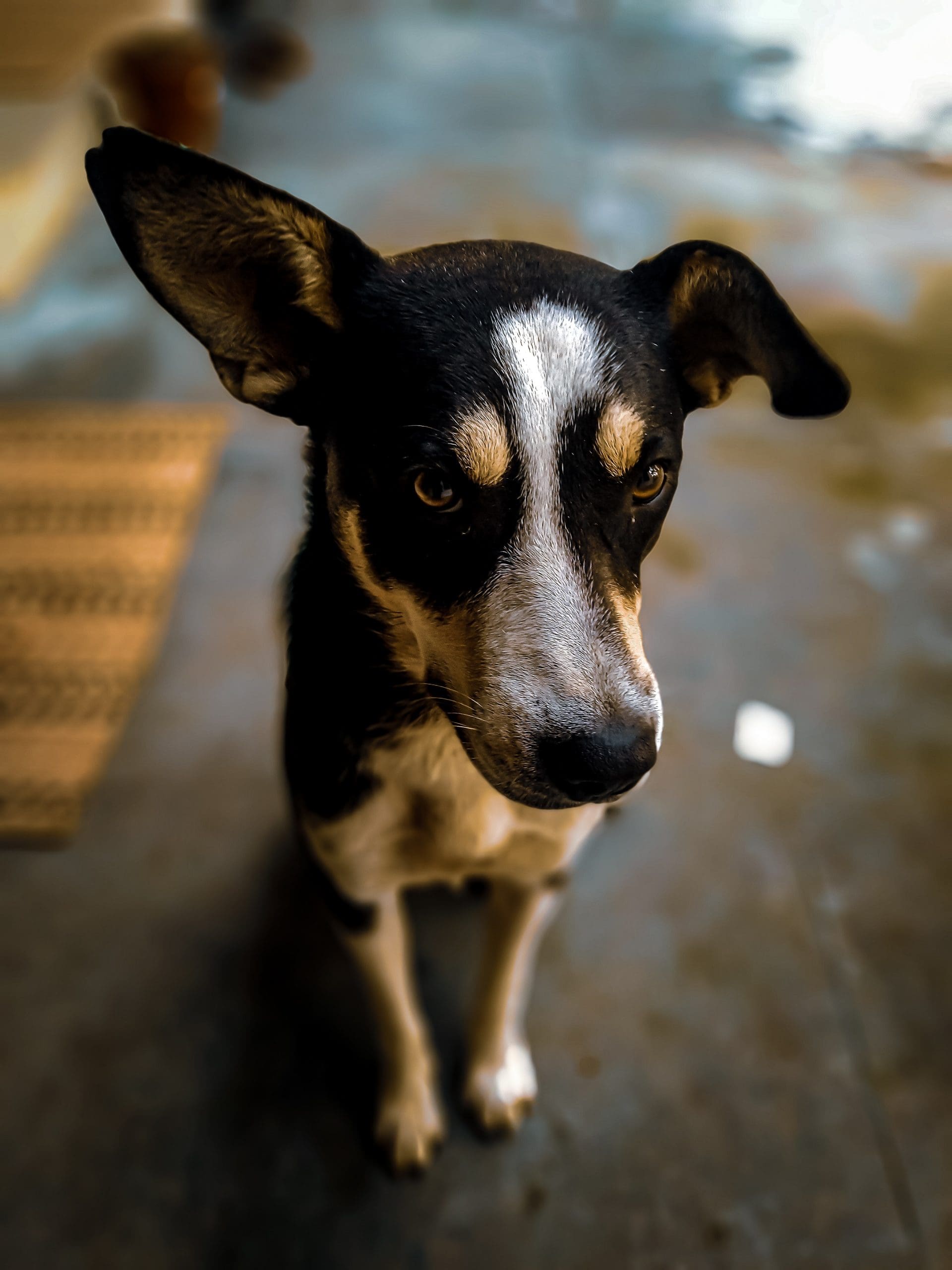
What do dogs look like?
Post Date:
January 8, 2026
(Date Last Modified: February 5, 2026)
As someone who has assessed hundreds of dogs in clinics and in the field, I can say that recognizing what dogs look like is more than trivia: it is a practical skill that helps you meet a dog’s needs, notice problems early, and enjoy the variety dogs offer. The way a dog is built, coated, and carries itself often tells you about its likely activity level, grooming needs, and possible health risks. For a dog lover, sharpening your eye for appearance pays emotional and practical dividends—whether you are admiring a coat at the park, choosing a companion that fits your lifestyle, or catching a change before it becomes serious.
Why a dog’s appearance matters to owners and caretakers
Knowing how a dog looks helps set reasonable expectations about behavior and care. A compact terrier and a giant retriever may both be affectionate, but their exercise, grooming, and joint-care needs will differ. Recognizing breed traits or mixed-breed tendencies can help you plan training, choose the right collar or harness, and anticipate the level of shedding and grooming time required.
Appearance also guides daily care. Coat type and length affect how often a dog needs brushing or baths; ear shape affects how often you should check for wax or infection; and body conformation gives clues about susceptibility to joint or spinal problems that may benefit from preventive measures. Emotionally, being able to read a dog’s facial expression and posture deepens the bond and helps you respond appropriately to fear, pain, or play.
Finally, being visually attuned to your dog makes it more likely you’ll notice subtle changes—fading coat color, a new lump, or an unusual gait—that may suggest an emerging medical issue. Spotting those early gives you the best chance of a simple, effective treatment rather than waiting until a problem becomes more complex.
At a glance: common body shapes, coat types, and color patterns
If you want a fast, practical answer to “what do dogs look like?” focus on a few high-yield features that are easy to see and compare. Below are the key visual cues that give you the most information at a glance.
- Size and proportions: dogs range from toy breeds under 6 pounds to giant breeds over 100 pounds. Body shapes vary from short-backed (e.g., dachshunds) to long-legged and lanky (e.g., greyhounds); these proportions affect mobility and fitness expectations.
- Coat types and color patterns: coats may be smooth, short, double-coated, wiry, curly, or hair-like. Common patterns include solid, bicolor, tricolor, sable, merle, and brindle; some dogs have distinct markings on face, chest, or feet that are breed-associated.
- Facial features: the muzzle can be short (brachycephalic), medium, or long (dolichocephalic); eyes differ in size, set, and expression; ears may be erect, semi-erect, dropped, or button-shaped, and their mobility affects communication and cleaning needs.
- Tails and movement: tails can be curled, straight, saber-shaped, docked, or bobbed. Gait and posture—whether a dog moves with a springy trot, a low-slung lope, or a stiff, careful step—tell you a lot about comfort level and conformation.
What determines a dog’s look — genetics, function, and health
The variety in canine appearance is rooted in genetics and decades of selective breeding. Breeders have emphasized traits useful for specific jobs—herding, chasing, guarding, or companionship—which is why body shape, coat type, and facial structure often align with historical roles. Even in mixed-breed dogs, you can often see echoes of those selective pressures in coat texture or ear set.
Appearance is also a communication system. Eye shape and position, ear carriage, tail carriage, and body posture provide rapid signals to other dogs and humans about mood and intent. For example, an upright, rigid tail and forward ears may signal alertness or arousal, while a tucked tail and lowered head typically signal fear or submission. I often point out these cues when owners misread a frightened dog as “stubborn.”
Sensory needs have shaped form. A long, narrow muzzle preserves scenting surface and airway length and is common in scent-oriented breeds; wide skulls and forward-facing eyes support binocular vision useful in tracking and retrieving. Ears that move independently help localize sound and are more common in breeds bred to detect small prey or to be attentive hunters.
Coats serve multiple functions: insulation, sun protection, camouflage in working environments, and, in some breeds, water resistance. Double coats trap insulating air and shed seasonally; single coats may dry faster after water exposure. Color and pattern may have been selected for visibility to handlers, concealment in fieldwork, or simply aesthetic preferences.
When a dog’s appearance changes: normal shifts versus red flags
Change is normal, but context matters. Puppies look different from adult dogs—their ear carriage, leg-to-body ratio, and coat texture commonly shift as they mature. I typically see floppy ears become erect or wide puppy muzzles narrow as the skull develops. Aging also brings predictable changes: graying around the muzzle, thinning coat, and altered posture from arthritis or muscle loss.
Seasonality plays a clear role. Many dogs undergo a heavier shed in spring and fall as they transition coat density; double-coated breeds often “blow” the undercoat and appear dramatically less fluffy. Conversely, some single-coated breeds grow a fuller winter coat in cold climates. Grooming frequency and outdoor exposure influence how pronounced these seasonal changes look.
Health-related factors can change appearance quickly. Allergies may cause itching and hair loss; endocrine problems such as hypothyroidism or Cushing’s disease often produce thinning hair and skin changes; infections and parasites can create patchy fur loss and scaly or inflamed skin. Stress, recent strenuous activity, or a recent bath or grooming session may temporarily alter coat sheen, posture, or scent without indicating a chronic problem.
Visual red flags: signs of illness, stress, or poor care
Some visible changes should prompt prompt attention. The items below are common red flags that may suggest an underlying medical issue and often require veterinary input.
- Sudden or patchy hair loss, scaly or oozing skin, or open sores—these findings may suggest parasites, infection, allergy, or an immune condition and often need a diagnostic approach rather than home remedies.
- Persistent discharge from eyes, ears, or nose, or fetal changes in eye appearance—ongoing drainage, cloudiness, or repeated ear rubbing may suggest infection, blockage, or inflammation that benefits from examination.
- Rapid weight loss or gain, or a body condition that changes markedly—unexpected weight shifts may be linked to metabolic or systemic disease and are worth discussing with your veterinarian.
- New lumps, swelling, limping, or altered gait—palpable masses, painful joints, or a suddenly altered stride can be signs of injury, tumor, infection, or orthopedic disease and frequently need timely diagnostics.
Owner checklist: how to examine your dog and respond appropriately
Perform routine visual and hands-on checks weekly. Look over the skin for bumps, redness, or parasites; part the coat to check the skin surface; lift the lips to inspect teeth and gums; and gently open the ears to check for odor, discharge, or sensitivity. I carry a checklist in my head during exams: eyes, ears, coat, skin, teeth, gait, and body condition.
Basic grooming and hygiene maintenance reduce many appearance-related problems. Brushing matched to coat type removes loose hair, distributes oils, and provides an opportunity to find lumps early. Regular toothbrushing helps prevent periodontal disease that may affect overall health. Nail trimming prevents paw and gait issues; ears should be cleaned only when visibly dirty or as advised by your veterinarian, since over-cleaning can cause irritation.
Contact your veterinarian when red flags appear or when a change persists longer than a few days, is worsening, or affects behavior or mobility. When you call, describe what you saw, when it started, any treatments attempted, and any other symptoms like appetite change or lethargy. Photographs or short video clips of gait or discharge are often helpful to the clinician.
For urgent findings—heavy bleeding, severe breathing difficulty, collapse, or signs of severe pain—stabilize your dog and seek immediate care. Apply direct pressure to bleeding wounds while controlling the dog’s movement and arrange transport; for breathing difficulty, keep the dog calm and upright and get to an emergency clinic promptly. These situations are not appropriate for home remedies.
Environment and training: daily habits that influence appearance
Adjusting the home environment protects appearance and comfort. Provide shaded areas and cool water in heat, and insulated bedding in cold. Dogs with thin coats or those recently shaved may need a sweater in chilly weather. For large or deep-chested breeds that are prone to overheating, avoid intense exercise during the hottest part of the day.
Socialization and desensitization to grooming make appearance care easier and less stressful. Short, positive grooming sessions from puppyhood—or gradual, reward-based introduction for older dogs—help them accept brushing, nail trims, and ear checks. I recommend pairing each step with treats and praise and stopping before the dog becomes anxious, gradually increasing duration.
Establish consistent grooming and exercise routines. Regular brushing schedules match coat type and reduce matting; consistent exercise maintains muscle tone that supports posture and joint health. For senior or mobility-impaired dogs, modify the home with non-slip surfaces, ramps, raised food bowls, and bedding that reduces pressure on joints to maintain a healthy appearance and slow decline.
Practical gear and products for grooming, protection, and comfort
Choose tools that match the dog’s coat and size. Slicker brushes and undercoat rakes are useful for double-coated dogs; bristle brushes and rubber curry combs work well for short or smooth coats. A metal comb helps remove tangles and find debris close to the skin. Replace tools that rust or have broken teeth to avoid skin injury.
Basic grooming supplies include a proper nail trimmer sized for your dog’s nails, a soft toothbrush and canine toothpaste, and ear-cleaning solution formulated for dogs (used only when the ear appears dirty or on your veterinarian’s advice). Use shampoos labeled for dogs and matched to skin type; medicated shampoos should be used only under veterinary guidance.
Properly fitted harnesses distribute pressure away from the neck—especially important for dogs with respiratory sensitivity or those prone to pulling. Collars should be checked regularly for fit. Preventives for fleas and ticks recommended by your veterinarian will protect skin and coat quality; avoid over-the-counter products without veterinary approval since some can cause harm.
References, studies, and further reading
- Merck Veterinary Manual: “Skin Diseases of Dogs” and “Canine Alopecia” — clinical overviews and treatment approaches.
- American Veterinary Medical Association (AVMA): “Preventive Care Recommendations for Companion Animals” — guidance on routine checks and wellness care.
- American Kennel Club: “Breed Standards” pages for specific breeds — descriptions of conformation, coat, and typical features.
- American College of Veterinary Dermatology (ACVD): “Guidelines for the Diagnosis and Management of Canine Atopic Dermatitis” — practical diagnostic and management steps.
- Journal of the American Veterinary Medical Association (JAVMA): selected articles on canine obesity, orthopedic disease, and dermatologic conditions — for peer-reviewed evidence of links between appearance and health.
