
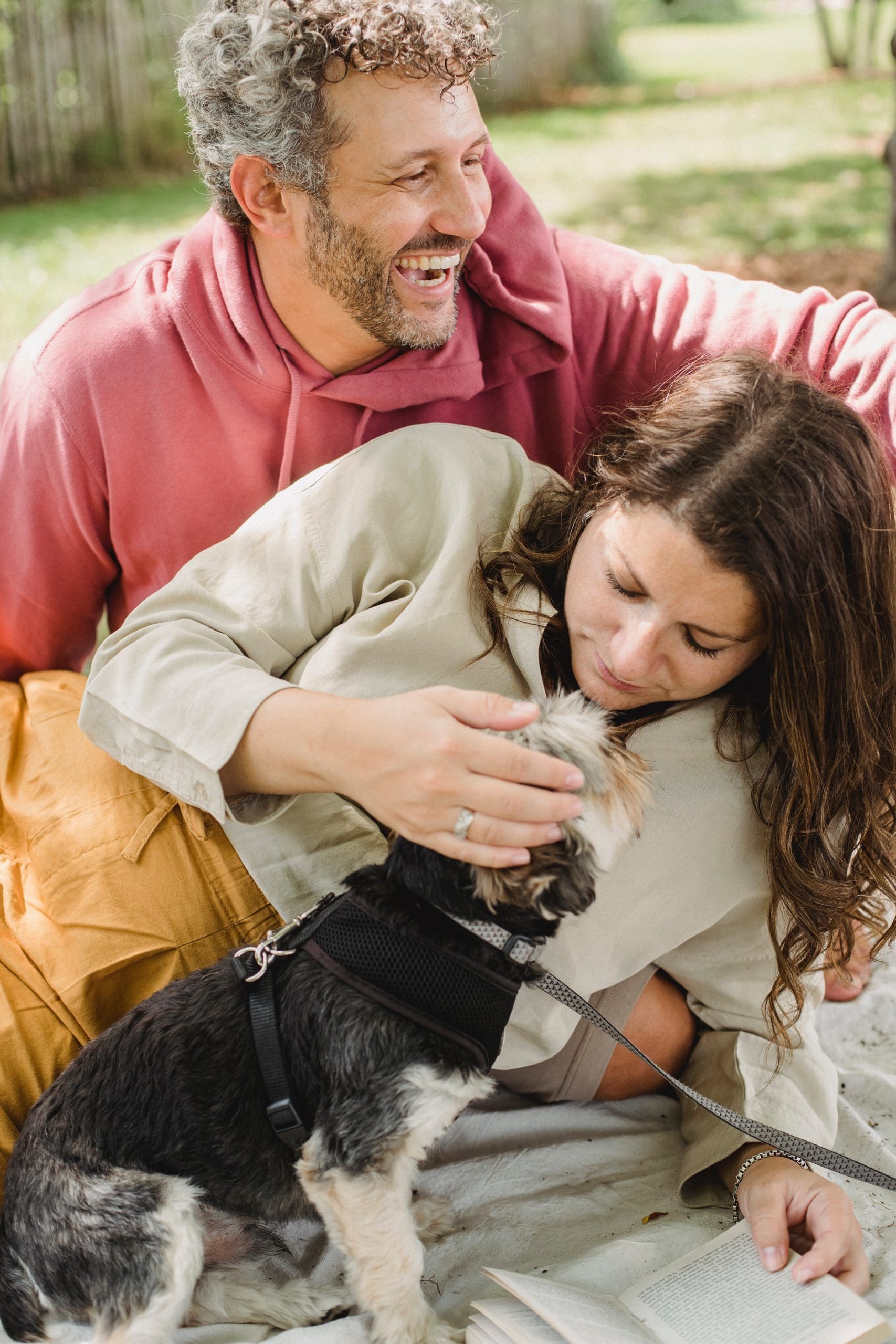
Found a dog what do i do?
Post Date:
January 3, 2026
(Date Last Modified: February 5, 2026)
If you find a loose or abandoned dog, your response matters—for the dog, the original owner, and for public safety. As someone who works with dogs, I typically see a mix of relief and panic from finders; acting calmly and deliberately increases the chance of a safe reunion. This short guide explains what to do first, why dogs run, what danger signs to watch for, and how to help owners prevent future escapes.
The real impact of finding a lost dog — for the animal, you, and your community
Finding a dog can be emotionally charged. The animal may be frightened, injured, or simply far from home. You may want to take the dog straight to your house, but there are legal and welfare aspects to consider: local laws often require reporting stray animals to animal control or municipal shelters, and keeping a dog without attempting to locate an owner may create liability. At the same time, an immediate, practical response can prevent injury or further flight.
Not every loose dog is homeless. A dog wearing a collar or acting social is likely lost but owned; a fearful, skittish dog may be a stray or traumatized. I typically look for clear identifiers—tags, a friendly gait, or a clipped ear that suggests prior sterilization—and treat those as clues, not proof. When there are aggressive signs, obvious serious injuries, or public-safety risk, involve animal control or local law enforcement promptly rather than attempting to handle the dog alone.
First 10 minutes: safe actions to secure and calm the dog
Approach slowly and speak in a quiet, steady voice. Avoid direct eye contact at first and move with non-threatening body language: side-on posture, crouched but not looming, arm extended with palm down if the dog seems uncertain. If the dog shows relaxed wagging, a loose body, and interest in you, offer a calm hand for investigation. If it freezes, growls, or snaps, give distance and call for help.
If you can safely contain the dog, do so. A leash and collar are ideal; if unavailable, a towel or blanket can help guide the dog without a tug. Containing the dog reduces the chance it bolts into traffic or becomes separated from you. Once secured, check for visible ID tags and note their phone number and address if present. If the dog has a harness with a brand or logo, that can be another clue to the owner.
Call local shelters and the phone numbers on tags immediately, and post a clear photo and location to lost-and-found pet groups and neighborhood apps. If the dog is microchipped you won’t see it visually, but a shelter or veterinary clinic can scan the microchip and contact the registry. If there is an urgent medical problem—heavy bleeding, severe limp, difficulty breathing—contact an emergency vet right away rather than waiting for shelter intake.
What makes dogs roam or bolt — common causes and behaviors
Understanding why dogs leave helps you predict their behavior. Escape often starts with curiosity—dogs are wired to explore scent trails and movement. In many cases the dog isn’t trying to be disobedient; a gate left ajar, a gap under a fence, or a momentary lapse in supervision gives them an opportunity they’ll take if a new smell or noise draws them.
Fear is another major driver. Sudden loud noises like fireworks or thunderstorms may set off a panic response, and a dog likely to panic may run first and think later. Similarly, resource-seeking drives—finding food, following a female in season, or predatory interest in small animals—can lead a motivated dog to slip away. Illness, disorientation, or injury can also cause a dog to wander aimlessly; a disoriented dog may seem unusually calm or hide in odd places.
When a dog is truly lost: signs, timelines, and what that means
Certain triggers increase escape risk. Fireworks, thunder, and construction create overwhelming noise that can startle dogs into fleeing. High-traffic social events—parties, moving day, or holiday gatherings—often leave gates open or doors propped; I commonly see lost-dog reports spike after the Fourth of July in many areas. Poorly secured fencing, gaps under gates, or worn door latches provide easy exits. Wildlife encounters and traffic can also push a frightened dog out of a yard and onto a road.
Timing matters: evenings and early mornings are common windows for a dog to slip away, when human attention is lower and animal activity is higher. Weather and seasonal changes shift patterns too—heavy rain or snow may disorient a dog accustomed to scent cues, while mating seasons can increase roaming in intact animals.
Urgent danger signs to watch for (health and safety red flags)
Some conditions require urgent professional attention. Open wounds that are bleeding heavily, exposed bone, or a limb that hangs at an odd angle may suggest fractures or major trauma. Labored breathing, blue or pale gums, collapse, or repeated vomiting or seizures are indicators that the dog needs emergency veterinary care. Extreme disorientation—walking in circles, inability to stand, or paralysis—may suggest neurological issues or poisoning. Aggression that appears linked to sudden pain, rather than fear alone, could mean an underlying injury and should be approached with extreme caution.
How to handle a found dog — a practical sequence from approach to reunification
- Stop and evaluate the scene from a safe distance. Note the dog’s body language, nearby hazards (traffic, other animals), and any visible identifiers. If the dog is in immediate danger (traffic or severe injury), proceed quickly; if it seems calm, take a moment to plan a gentle approach.
- Approach slowly using low, non-threatening posture. Offer food or a soft sound to gain attention. If the dog accepts contact, slide a collar or a looped leash under the neck; if not, use a towel to guide or cover the head briefly to reduce panic and make handling safer.
- Secure the dog where possible—on leash, in a fenced yard, or inside a garage—so it won’t escape again. Keep the dog warm and out of direct sun if stressed or injured. Avoid allowing multiple unfamiliar people to crowd the dog; one calm handler is usually best.
- Check for tags and note any phone numbers or addresses. If no tags are present, transport the dog to a nearby vet or shelter for microchip scanning. Microchip registries are only useful if the chip is registered to a current contact—ask the shelter to check multiple databases if necessary.
- Document the dog with photos from multiple angles, including close-ups of the face, tags, and any unique markings. Share these images with local shelters, dedicated lost-pet social media pages, and community platforms, and include the time and precise location where the dog was found.
- Contact local animal control and municipal shelters to report the find. If you keep the dog temporarily, follow local laws: in many places you must surrender a stray to a shelter after a specific hold period or report it to animal control. Keep records of your calls and the people you spoke to.
Preventing future escapes: quick fixes for fences, collars, and routines
If you are helping an owner after reunification, recommend practical changes to reduce repeat incidents. Secure fencing is the first line of defense: check for gaps, reinforce low points, and consider a double-gate or vestibule at driveways to prevent bolting. Check latches and hinges regularly; dogs will exploit even small weaknesses.
Identification and preparedness are simple, effective measures. A sturdy collar with up-to-date ID and a current microchip registered to the owner’s contact info make reunions far more likely. I always tell owners to verify registration details after a move or phone-number change—many reunions fail because registry records are out of date.
Training that strengthens recall and boundary awareness can help, as can gradual desensitization to common triggers. For dogs that panic at noise, counter-conditioning and controlled exposure are likely to reduce flight responses over time. If the dog has a history of escapes, a trainer or behaviorist can design a focused plan that fits the dog’s temperament.
Rescue kit essentials — what to carry when helping a stray
- Slip lead and standard leash: a slip lead is compact and useful when a collar isn’t present; a sturdy leash is required for containment.
- Towel or blanket: useful for calming, wrapping, or creating a makeshift sling for transport of an injured or fearful dog.
- Portable water bowl and bottled water plus small calming treats: hydration and a familiar-tasting food can reduce stress quickly.
- Collapsible crate or secure carrier and a humane muzzle or basket muzzle: crates offer a safe transport option; muzzles protect handlers when a dog is uncertain or painful. Only use muzzles when the dog can still breathe easily.
Sources and further reading: where this guidance comes from
- Merck Veterinary Manual: First Aid for Dogs and Cats — guidance on initial assessment and emergency signs (Merck Veterinary Manual: First Aid for Dogs and Cats).
- American Veterinary Medical Association: Lost and Found Pets — recommendations for microchipping, reporting, and community resources (AVMA: Lost and Found Pets).
- ASPCA: If You Find a Stray Pet — stepwise actions for finders and legal considerations (ASPCA: If You Find a Stray Pet).
- Humane Society of the United States: What to Do If You Find a Lost Pet — practical posting and shelter notification advice (Humane Society: What to Do If You Find a Lost Pet).
- AAHA Universal Pet Microchip Lookup Tool and microchip registry guidance — how to check chips and update registrations (AAHA Universal Pet Microchip Lookup).
