
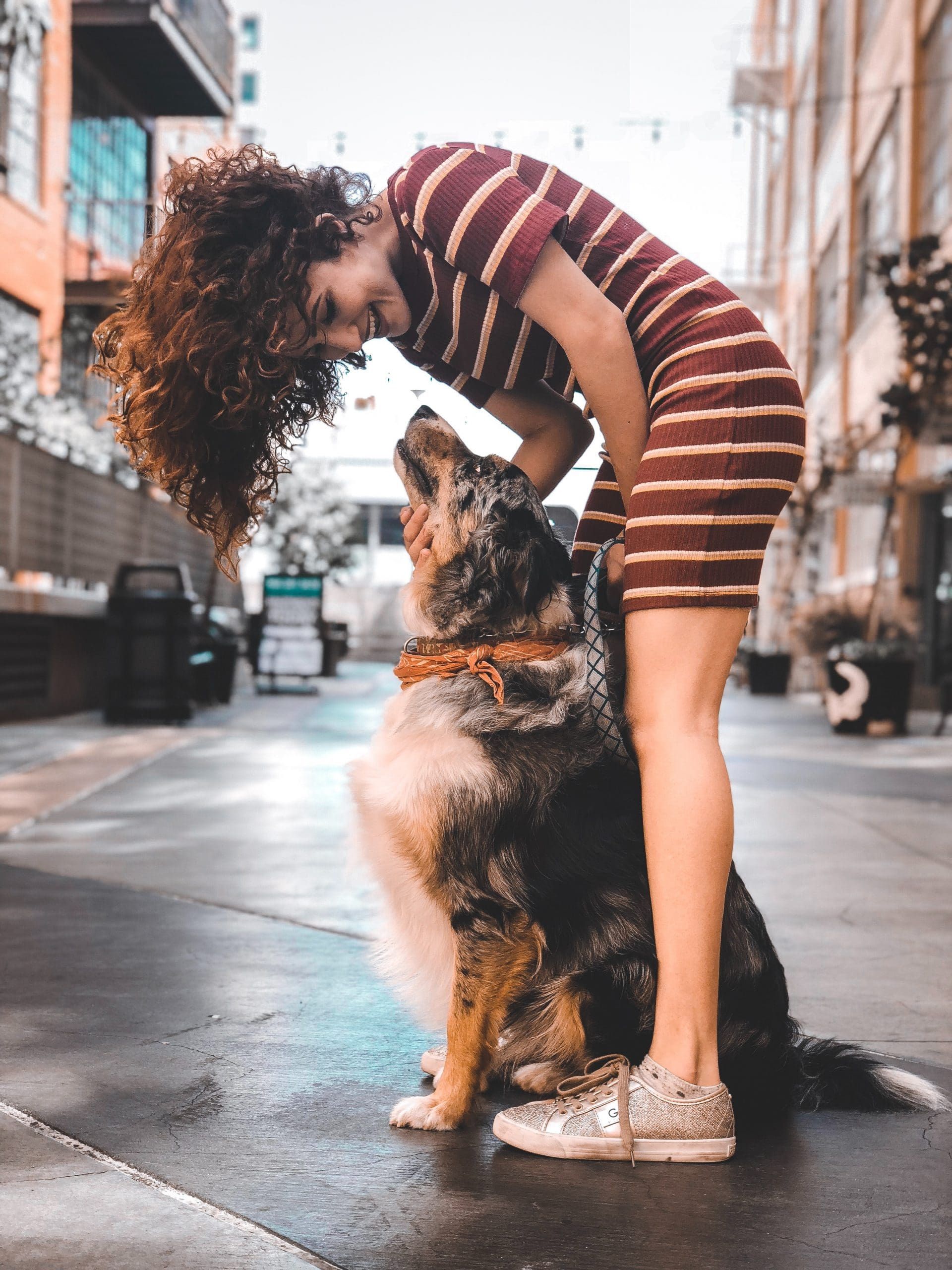
Why do dogs kick after they poop?
Post Date:
December 2, 2025
(Date Last Modified: February 5, 2026)
As a dog owner, you’ve probably watched your dog finish a poop, take a few steps, then suddenly plant a hind paw and kick dirt, grass, or leaves behind them. That little motion shows up in walk videos, social clips, and everyday yard routines, and it’s worth understanding. Reading this behavior helps you interpret what your dog is communicating, decide when to intervene, and keep daily care simple and safe.
What post‑poop kicking reveals — why attentive owners should care
Many owners notice that some dogs kick after defecating while others barely move. Questions that come up often include: Is my dog marking territory, or is something wrong? Is the kicking a nuisance when it scatters feces or kicks debris onto shoes? Is it a sign of pain or anal irritation? These are practical concerns—knowing why your dog kicks helps with training choices, route planning on walks, and whether a vet check is needed.
On social media, a few seconds of kicking can spark curiosity and lots of comments, but beneath the entertainment value there’s useful biology and communication. Understanding a normal pattern can strengthen the bond between you and your dog: when you can decode signals like kicking, you respond more appropriately and your dog feels better understood. That matters for everyday care—keeping the yard clean, reducing unwanted scent-marking, and spotting early signs of discomfort.
Short version: instinct, scent marking and occasional irritation
In short, dogs kick after they poop mainly for two reasons: to spread scent from their anal glands and associated skin glands across the ground, and as a reflexive scraping action that helps distribute that odor. This behavior is common and usually normal, especially when dogs are in outdoor settings with natural substrates like grass or dirt.
Typical frequency varies by individual. Some dogs kick after most bowel movements, others only when they detect another dog’s scent nearby or when they feel particularly alert or territorial. Kicking that appears as an occasional, brisk outward sweep of the hind limb(s) is usually harmless.
- Quick signs that might suggest a problem: repeated scooting on the ground, straining during defecation, blood on feces, constant licking of the rear, obvious pain when sitting or after elimination, or a strong, foul odor coming from the anal area.
The biology: muscles, anal glands and instinctive reflexes
Near the anus dogs have small sacs—anal sacs or anal glands—that contain a pasty, odorous material. In addition to the sacs, skin glands along the rear and tail base produce scents. When a dog defecates, these materials may be released onto the stool or rubbed onto the ground. The kicking motion acts like a mechanical spreader: it scrapes and brushes the substrate so the scent is left in a wider pattern than the stool alone would make.
This pattern likely evolved as a communication mechanism shared among canids. A scent left on the ground provides information to other dogs that visit the same spot—identity cues, reproductive status, and territorial signals are possibilities. The direction and force of the kick may help transfer and disperse scent molecules in a way that’s more detectable to passing animals.
There’s also a reflex element. The muscles involved in elimination and those that move the hind limb are coordinated in a way that a quick backward scrape can be a near-automatic action after the anal region is stimulated. I commonly see both deliberate, scent-driven kicks and shorter, reflexive scrapes that look automatic.
When it happens and why — common triggers and typical scenarios
Surface type matters. Grass, dirt, mulch, and leaf litter hold scent better than smooth pavement, and dogs are more likely to kick on those absorbent surfaces because the action will leave a longer-lasting mark. On sidewalks or hard-packed surfaces you’ll often see little or no kicking.
The presence of other dogs is a strong trigger. If the area smells of other dogs’ urine or feces, your dog may kick to add its own message or to mask the other scent. Dogs on regular routes where multiple animals pass are more likely to engage in scent-enhancing behaviors.
Internal state plays a role too. A dog that’s alert, aroused, or feeling territorial—intact males are a classic example, though females and neutered dogs do it as well—may kick more vigorously. Stress or excitement around other dogs can raise the likelihood. Conversely, a very relaxed or hurried dog who’s focused on moving along may skip the action entirely.
Warning signs: when kicking suggests pain or a medical problem
Kicking itself is harmless in most cases, but there are red flags you should watch for. Repeated scooting—dragging the rear across the ground—often suggests itch or pain around the anus and may point to full or infected anal sacs. Straining during defecation, blood on the stool, or persistent diarrhea are reasons to seek veterinary care because they can indicate underlying disease.
Excessive licking of the anal area, flinching when you touch near the tail base, or a strong, foul odor coming from the rear can suggest anal sac impaction or infection. Swelling near the anus, repeated attempts to defecate without producing stool, or sudden changes in elimination habits are also concerning. If your dog shows signs of discomfort, a vet exam is recommended rather than home guessing.
What to do next — practical actions owners can take
- Observe and note pattern. Pay attention to how often your dog kicks, where it happens, whether other dogs were recently there, and if the dog shows signs of discomfort (licking, scooting, pain). A short note or photo can help track whether the behavior changes.
- Pick up feces promptly and clean the area if possible. Removing the stool reduces scent reinforcement and may lessen future marking at that spot. In your yard, removing droppings quickly helps break the cycle of repeated marking at the same site.
- Check for irritation only if you’re comfortable. Gently look for redness, swelling, or discharge at the anal area during a calm moment. If your dog resists strongly or appears painful, stop and consult a veterinarian rather than forcing an inspection.
- Contact a veterinarian when red flags appear. If you notice blood, straining, frequent scooting, swelling, or ongoing licking, a vet can assess anal sacs, screen for parasites, and check for other causes such as colitis or infections. Early care often prevents escalation.
Reduce it at home: environment adjustments and training tips
If the goal is to reduce unwanted kicking—because it scatters debris, creates household messes, or becomes a persistent marking habit—you can manage triggers and teach alternative behaviors. Choosing walking routes with fewer prior dog scents and avoiding areas where multiple dogs congregate will reduce the stimulus for scent spreading.
Training calm exit behaviors helps. Teach a reliable recall or a “leave it” so your dog moves on quickly after elimination instead of hanging around. Reward a brisk, calm walk after the dog has gone; over time the dog learns that moving on is positive. For dogs that kick when other dogs are nearby, gradual desensitization to other-dog stimuli—starting at a distance and decreasing proximity as the dog remains calm—can lower arousal levels and the impulse to mark.
For dogs that are intact or especially scent-driven, consistent management plus training is often needed. Neutering may reduce some sexually motivated marking in many dogs, but it’s not a guaranteed fix for all kicking behaviors. Work with a qualified trainer or behaviorist if the habit causes a significant problem or is linked to high arousal or reactivity.
Handy gear and products that make management easier
Simple, reliable equipment makes management easier. A sturdy leash and a well-fitting harness give you control during walks and make it simpler to redirect a dog after elimination. Poop bags plus a small pack of disposable wipes are useful for quick cleanups when your dog kicks at a public spot. For the yard, enzymatic outdoor cleaners that break down organic scent can reduce the appeal of returning to the same location; avoid cleaners that only mask odors, as they may not be effective.
For dogs prone to anal sac troubles, your veterinarian may recommend occasional professional expression or a specific at-home care plan; do not attempt deep expressions without training. If you’re working on training, high-value treats and a clicker (if you use clicker training) can help reinforce the “move on” behavior quickly and consistently.
References and further reading
- Merck Veterinary Manual: “Anal Sac Disease” — Merck & Co., Inc.; section on perianal and anal sac conditions (Merck Vet Manual).
- American College of Veterinary Behaviorists (ACVB): Owner resources on elimination behavior and scent-marking (ACVB position statements and client handouts).
- American Veterinary Medical Association (AVMA): Articles on canine elimination behavior and housetraining strategies.
- ASPCA: “Understanding your dog’s body language and marking behaviors” — client-facing behavior guidance.
- Bradshaw, J.W.S. (2016). The Behaviour of the Domestic Dog. CABI Publishing — chapter discussions on communication and scent-marking in domestic dogs.
