
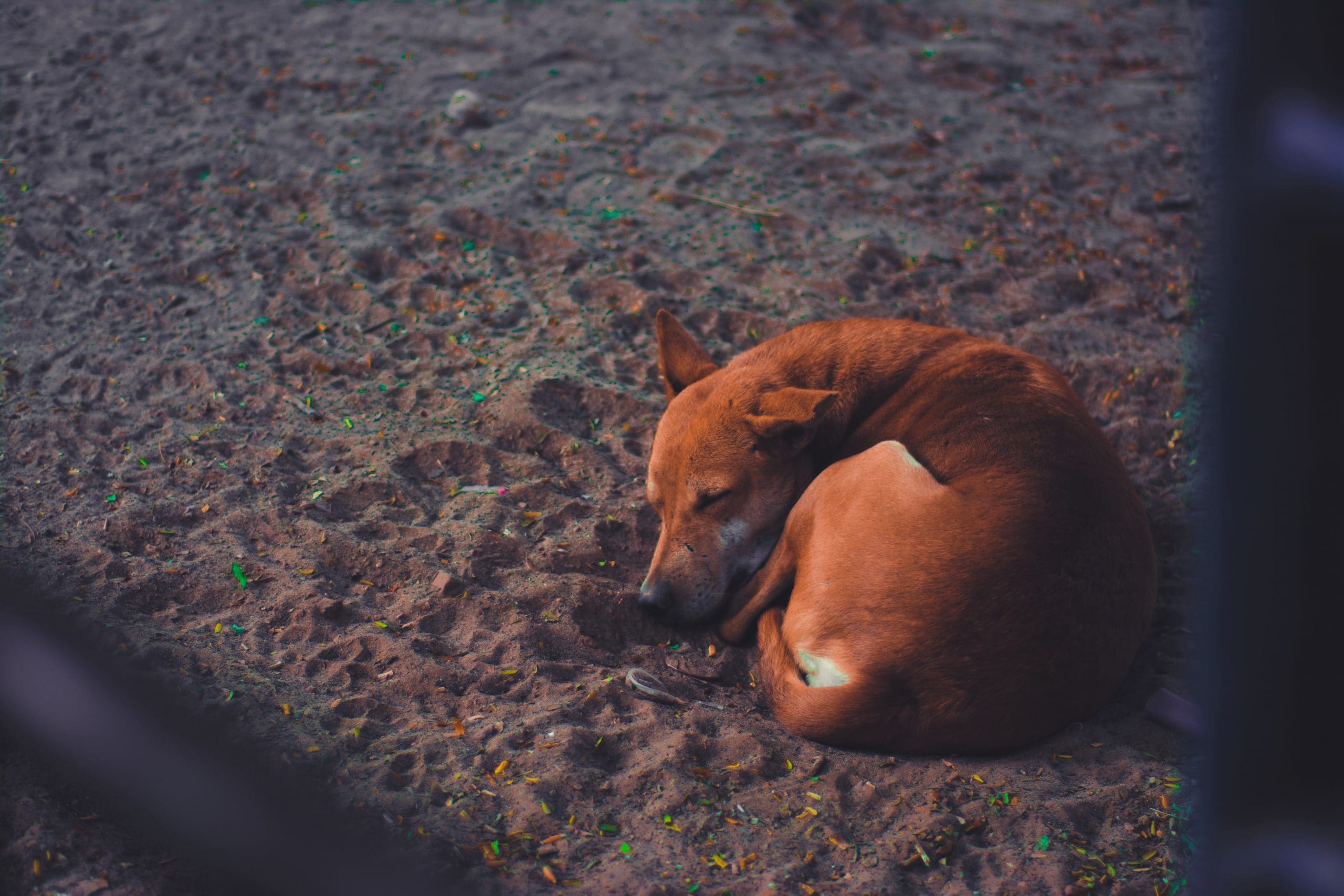
Why do people cut dog ears?
Post Date:
December 12, 2025
(Date Last Modified: February 5, 2026)
Understanding why people cut dog ears matters because it sits at the intersection of animal welfare, cultural tradition, and everyday ownership decisions. For a dog lover, knowing the history, the physical consequences, the legal context, and practical alternatives helps you advocate for individual animals, make informed choices about breeders or shows, and support humane, evidence-based practices in your community.
What dog lovers should know about ear cropping
Ear cropping is not a neutral cosmetic choice; it is a surgical alteration that changes a living animal’s body and behavior. Historically some communities clipped ears for reasons tied to work, appearance, or perceived health, but those origins do not erase the immediate consequences for an individual dog. Owners who care about welfare need to weigh how cropping may affect pain, healing, social communication, and the likelihood of later medical issues when deciding whether to support or oppose the practice.
Culture and history help explain why ear cropping persists. In some breeds the look produced by cropping is part of a long-standing show standard or a regional aesthetic. In other cases it grew from older practical concerns—protecting ears in fights, preventing injury while hunting, or reducing places for parasites to hide. Those origins may be understandable in context, yet most of those original risks have changed or disappeared with modern husbandry and veterinary care.
Decisions about cropping also shape relationships between owners, breeders, and veterinarians. A breeder’s choice to crop influences buyers and show judges; an owner’s choice to accept or refuse cropping influences the dog’s experience and health. Legally, some places treat cropping as an unacceptable mutilation and ban it, while others permit it under veterinary oversight. Ethically, the question often hinges on whether the possible benefit to the dog outweighs the harms of a non-therapeutic procedure.
Short answer — the main reasons people crop dog ears
People cut dog ears mainly for cosmetic and breed-standard reasons, sometimes citing historical working or fighting functions that are now largely obsolete. Some believe cropping prevents ear infections or improves hearing, but evidence for medical or auditory benefits is weak to absent. In short, the dominant motivations today are appearance and tradition rather than clear health advantages.
Inside the ear: anatomy, function and cosmetic considerations
A dog’s external ear—the pinna—helps collect and funnel sound into the ear canal. The shape and mobility of the pinna may influence directional hearing, particularly for high-frequency sounds, so changing ear shape can subtly alter how a dog localizes sound. These effects are likely to be small for most day-to-day situations, but they are a genuine functional difference from the natural state.
Beyond hearing, ear position carries social information. Dogs use ear posture to signal attention, intent, fear, and submission; a tilted, folded, or flattened ear contributes to communication between dogs and from dog to human. Cropping alters those visual cues. I typically see that dogs with altered pinnae may appear harder to read to other dogs at a glance, and that can influence play and conflict dynamics in subtle ways.
Cutting ears also involves cutting tissue that contains nerves and blood vessels. That can affect sensation in the ear and the local skin’s ability to regulate temperature and sensation. It may also change how the ear heals or the likelihood of scar tissue developing. While cropping does not generally change inner-ear function like balance, poor technique or complications could have secondary effects that interfere with normal behavior and comfort.
When people choose to crop: cultural, cosmetic and medical contexts
Some breeds have long-standing show traditions that favor a cropped look; judges and breed clubs in those circles may reward that appearance. In other contexts—working-dog environments like specific types of hunting, guarding, or historically in fighting—people have argued that shorter ears reduce the risk of injury in the field. Those arguments are less persuasive where modern veterinary care, supervised socialization, and management reduce injury risk substantially.
Geography plays a big role. In parts of North America and Europe, veterinary associations or animal welfare laws discourage or ban cropping, while in other regions the practice remains common and even routine. Timing also varies: when cropping is performed it’s often done at a young age to simplify anesthesia and healing, but the younger age does not eliminate pain or risk. Laws in your area may limit who can perform the procedure, at what age, and under what anesthesia and analgesia protocols.
Health risks and medical red flags to watch for
There are immediate risks any time a dog undergoes surgery. Pain, bleeding, and infection are the most common short-term complications. Even with appropriate sterile technique, a dog may develop a wound infection that requires antibiotics or additional procedures. Excessive bleeding in the immediate postoperative period can be life-threatening without rapid veterinary attention.
Delayed problems can also appear. Poor healing may leave wounds that dehisce or scar badly, cartilage necrosis can occur if blood supply is compromised, and chronic ear problems—such as hypersensitivity or recurrent infections—may be more likely in some dogs after surgical alteration. These outcomes are not inevitable but are documented often enough to be a real concern.
Watch for behavioral and systemic warning signs that require urgent care: severe, unrelenting pain behaviors (continuous whining, severe agitation), significant lethargy, loss of appetite, rapid breathing, fever, or any drainage that smells foul or is discolored. If a dog suddenly stops interacting, refuses water, or shows signs of shock (pale gums, collapse), seek emergency veterinary care immediately.
Practical next steps for owners considering or facing ear cropping
- Learn the law and breed standards where you live. Regulations and club rules vary widely; start by checking local animal-welfare statutes and the specific breed’s kennel-club guidelines.
- Talk to a licensed veterinarian before making any decision. A vet can explain likely risks and alternatives and, if any ear surgery is medically indicated, provide a medically appropriate plan rather than a cosmetic one.
- If the procedure is to be done, confirm that general anesthesia and multimodal pain control will be used, that a qualified veterinary surgeon will perform it, and that there is a written aftercare plan including follow-up visits and emergency instructions.
- If you decide against cropping, prepare to manage the risks that others cite. That means preventing fights, supervising interactions, and using non-surgical protective measures when dogs work in environments where ear injury is possible.
- When choosing a breeder or adopting, ask about the dog’s ears and the reasons behind any prior cropping. Responsible breeders and rescues will be transparent about whether cropping was done and how postoperative care was managed.
Training and environmental tips to support your dog’s ears
Many concerns that motivate cropping can be addressed without surgery. Socialization and bite-inhibition training reduce the risk that dogs will escalate to severe fights. Early, consistent work on impulse control and supervised play helps dogs learn appropriate bite strength and body-language cues, which lowers ear-injury risk in group settings.
Management reduces trauma: supervise dog-to-dog interactions, separate dogs that have a history of rough play, and avoid high-risk situations where multiple unfamiliar dogs are loose together. In settings where dogs work—search-and-rescue, farm duties, or hunting—consider using non-invasive protective gear and careful task selection rather than elective surgery.
For owners feeling social pressure about appearance, behavior change can help. Explain your reasons calmly to friends, judges, or fellow owners; present evidence or a veterinarian’s opinion. Over time, shifting social norms within your local community or club can reduce the aesthetic pressure that leads some people to elect cropping.
Recommended supplies and tools for ear care and recovery
- Postoperative basics: an Elizabethan collar (e-collar) to prevent self-trauma, sterile dressings as prescribed, and prescribed analgesics. Follow the vet’s dosing schedule exactly.
- Protective ear wraps or covers designed for working dogs can reduce the chance of cuts or tears during fieldwork; ensure any wrap is properly sized and monitored to avoid impairing circulation or causing pressure sores.
- Cleaning solutions and tools your veterinarian recommends for routine ear care—usually a gentle, pH-appropriate ear cleaner and soft gauze—rather than household remedies that may irritate tissue.
References and further reading
- American Veterinary Medical Association. “Ear Cropping, Tail Docking, and Declawing of Domestic Animals” (AVMA policy statements and supporting resources).
- RSPCA. “Ear Cropping – Position Statement” (RSPCA guidance on surgical alteration and animal welfare concerns).
- British Veterinary Association / The Kennel Club discussions on ear cropping and breed standards; see The Kennel Club breed standards and position papers on cosmetic procedures.
- Journal of the American Veterinary Medical Association. Peer-reviewed articles on the complications and outcomes of cosmetic surgery in dogs (search SAVMA/JAVMA archives for ear cropping studies).
- Merck Veterinary Manual. Sections on wound management and postoperative care for minor surgical procedures in small animals.
