
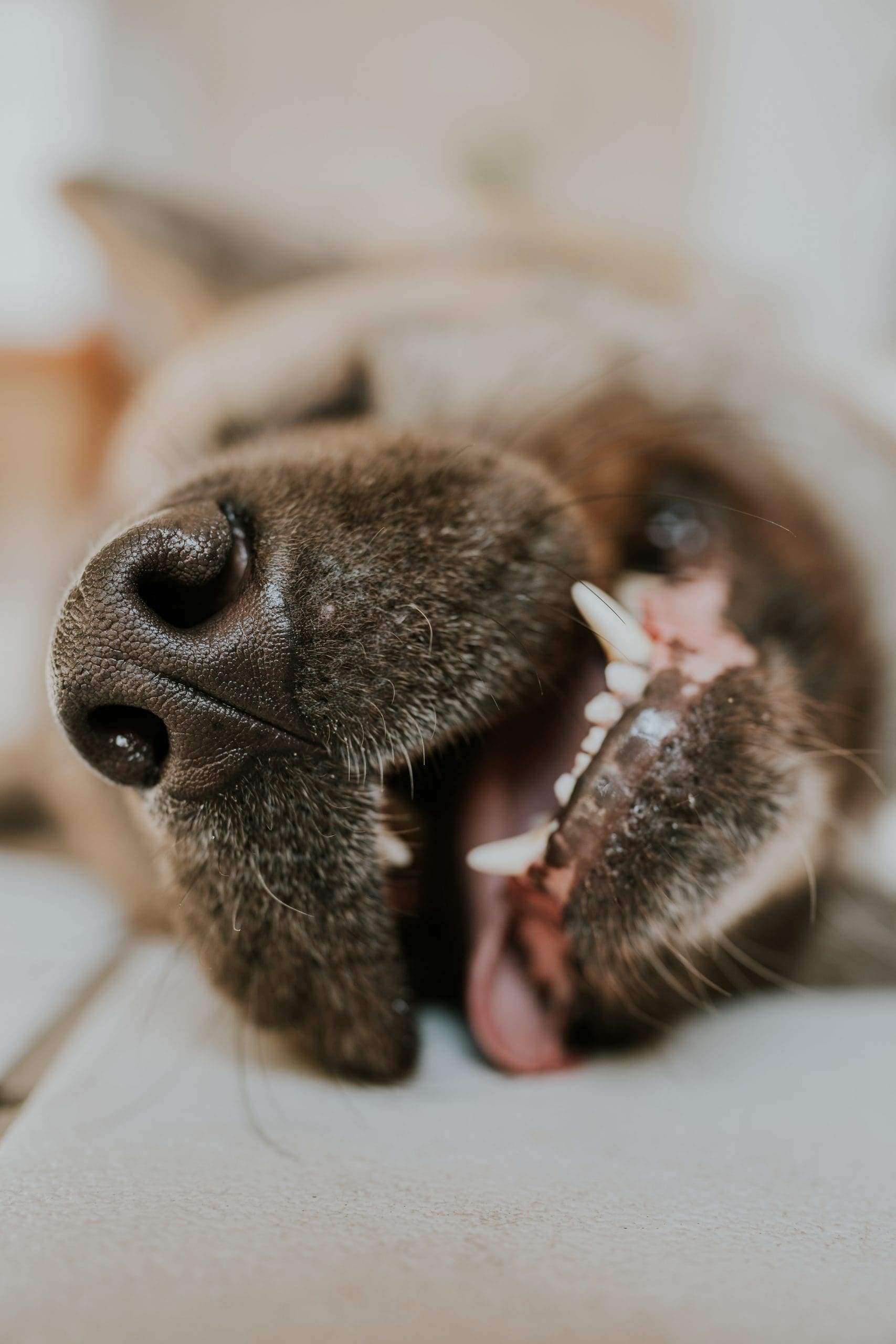
Why do dogs rub their butt on the ground?
Post Date:
December 29, 2025
(Date Last Modified: February 5, 2026)
Dogs rubbing their rear along the carpet or lawn—often called “scooting”—is one of those behaviors that every dog owner notices and remembers. It can be amusing the first time, but it also raises immediate questions: is the dog itchy, embarrassed, or suffering? As a clinician who has examined many dogs for this exact problem, I can say scooting is a clear signal a dog is trying to relieve discomfort or send a scent-based message. Understanding why it happens helps you decide whether to treat it as a minor nuisance, a grooming issue, or a health concern that needs veterinary care.
At a glance — common reasons dogs scoot their rear
Most scooting comes down to a few familiar causes. The anal glands may be full or impacted and press against sensitive tissue; this is one of the most common reasons. Itching from external parasites (fleas), food or environmental allergies, or dermatitis can make a dog drag its rear to scratch. Scent-marking and communication using the anal sacs play a role too—dogs sometimes press their scent glands to deposit information. Finally, irritation from stuck fecal material, minor skin infections, or hair trapped around the anus may provoke scooting. Any one of these is likely linked to the behavior, and sometimes more than one factor is present at once.
Anatomy and instinct: how anal glands, nerves and scent drive scooting
Dogs have a pair of small scent glands, commonly called anal sacs or anal glands, located on either side of the anus just under the skin. These glands produce a strong-smelling secretion that is normally expressed during defecation; that scent provides both individual identification and social information to other dogs. When the glands empty normally, a dog may leave faint scent marks without discomfort.
If those sacs don’t empty easily—because the secretions are thick, the duct is narrow, or the dog’s stool is too soft or too hard—the sacs may become distended and uncomfortable. That pressure can create a persistent urge to relieve the area, which the dog relieves by scooting. Inflammatory processes, such as infection or sacculitis, cause pain and may produce pus or blood, and that escalates the urgency of the behavior. On the skin surface, allergic reactions and parasite bites trigger itch pathways that are perceived similarly; dogs will rub to scratch, using the ground where they get immediate friction and relief.
Gastrointestinal transit and stool consistency interact with this system. Firm, formed stools tend to help empty the anal sacs during defecation. Very soft stools or chronic diarrhea may fail to provide the mechanical pressure necessary to express the gland contents, increasing the chance of impaction. Conversely, hair or fecal debris stuck around the anal opening can itself be a local irritant, leading to scooting even when the glands are normal.
When and where scooting usually happens — common triggers and risk factors
Scooting often follows defecation, grooming, or intense scratching sessions—times when the dog or the environment stimulates the rear area. I typically see owners notice scooting right after a bowel movement, which can indicate incomplete gland expression or fecal irritation. Outdoors, new smells or the presence of other dogs can provoke scent-marking behaviors that include brief rubbing; indoors, scooting on carpet or rugs is usually a symptom of discomfort rather than intentional marking.
Season and parasite pressure matter. Flea activity and certain environmental allergens peak at predictable times of year in many areas, making scooting more common seasonally for sensitive dogs. Breed and coat characteristics contribute too: small-breed dogs, dogs with narrow anal ducts, and long-coated breeds with hair around the anus are more prone to debris accumulation and gland issues. Hygiene habits—frequency of grooming and sanitary trims—also affect how likely a dog is to rub their rear on the ground.
Red flags to watch for — signs this behavior needs veterinary attention
Occasional scooting that resolves after cleaning or a short change in routine is usually not an emergency. However, specific signs suggest a problem requiring veterinary attention. Persistent scooting that recurs despite cleaning, or that is getting worse, is concerning. If you see blood, pus, a new swelling near one side of the anus, or a dog that yelps when you touch the area, those are stronger red flags.
Changes in defecation—straining, difficulty passing stool, or a sudden shift to soft or watery stools—can indicate a link between bowel function and anal-sac problems. Systemic signs such as fever, loss of appetite, lethargy, or sudden changes in behavior suggest infection or more generalized illness and warrant prompt evaluation. Recurrent abscesses or repeated need for gland expression also suggests an underlying issue that should be addressed rather than managed indefinitely at home.
What to do right away if your dog starts scooting
Start with calm observation. Note how often your dog scoots, the context (after pooping, during play, etc.), and any other symptoms such as licking, odor, or discharge. Take photos or a short video; these can be extremely helpful to your veterinarian. If the dog allows it and you are comfortable, put on disposable gloves and gently check the area—look for stuck feces, matting of hair, swelling, or obvious discharge. Use pet-safe wipes rather than alcohol or human products which can sting.
Monitor stool consistency and any recent changes in diet, treats, or medications, since these can influence gland expression. If your dog seems in moderate pain or you note redness, swelling, blood, or pus, or if scooting continues after you gently clean the area, contact your veterinarian. In some cases the vet can demonstrate how to express the glands safely, prescribe a short course of anti-inflammatory or antibiotic medication if infection is suspected, or recommend further diagnostics such as cytology or culture.
Long-term prevention: grooming, diet and parasite control to reduce scooting
Longer-term strategies reduce recurrence by addressing the underlying contributors. One effective step is adjusting diet to normalize stool—adding a modest amount of dietary fiber or using a prescription fiber supplement may help firm stools and encourage natural gland expression. Always discuss changes with your veterinarian before making them. Adequate hydration supports healthy bowel function and is an easy measure that often helps.
Regular grooming around the rear end prevents hair and fecal matter from accumulating. Many owners find a short sanitary trim or clip around the anus reduces irritation and the chance of matting; professional groomers can do this if you prefer. Consistent parasite prevention reduces flea- and tick-related itching that can trigger scooting; maintaining a household parasite control plan is a practical investment in comfort.
Behavioral measures matter too. Discourage scooting by offering alternative behaviors—redirect to a quick sit or a focused treat when you see the dog start to scoot—and reward calm responses. Avoid punishing the dog for scooting; that does not address the physical or sensory cause and can make the dog anxious. If your dog chronically licks the area, strategies like temporary collars after treatment can break the cycle while healing occurs.
Useful products and tools — wipes, ointments and grooming supplies to keep on hand
Having a small kit at home makes initial care simpler and safer. Pet-safe wipes (alcohol-free), disposable gloves, and a gentle, veterinary-recommended cleanser are useful for quick clean-ups. An Elizabethan collar (cone) or a soft alternative can prevent excessive licking after a veterinary procedure or if the area is inflamed. Tools for grooming—clean clippers and a brush—help keep the area tidy; if you’re not comfortable, book a groomer experienced with sanitary trims.
For stool management, readily available fiber supplements or stool softeners can be helpful under veterinary guidance; some over-the-counter products are safe, while others should be avoided depending on your dog’s health. If your vet prescribes topical medication, follow instructions exactly and use any protective gear recommended to prevent both further irritation and accidental ingestion of topical drugs by the dog.
Research and further reading
- Merck Veterinary Manual: “Anal Sac Disease” — Merck Veterinary Manual. https://www.merckvetmanual.com/dog-owners/diseases-of-the-dog/anal-sac-disease
- Cornell University College of Veterinary Medicine: “Anal Sac Disease in Dogs — Client Information” — Cornell University College of Veterinary Medicine, Companion Animal Hospital resources.
- American Veterinary Medical Association (AVMA): “Anal glands and anal sac disease in dogs” — AVMA client education pages.
- American Kennel Club (AKC): “Why Do Dogs Scoot?” — AKC articles on common dog behaviors and health considerations.
- Clinical review: “Anal sac disease: pathophysiology, diagnosis, and management” — Veterinary Clinics of North America: Small Animal Practice (review articles summarizing clinical approaches and evidence-based care).
