
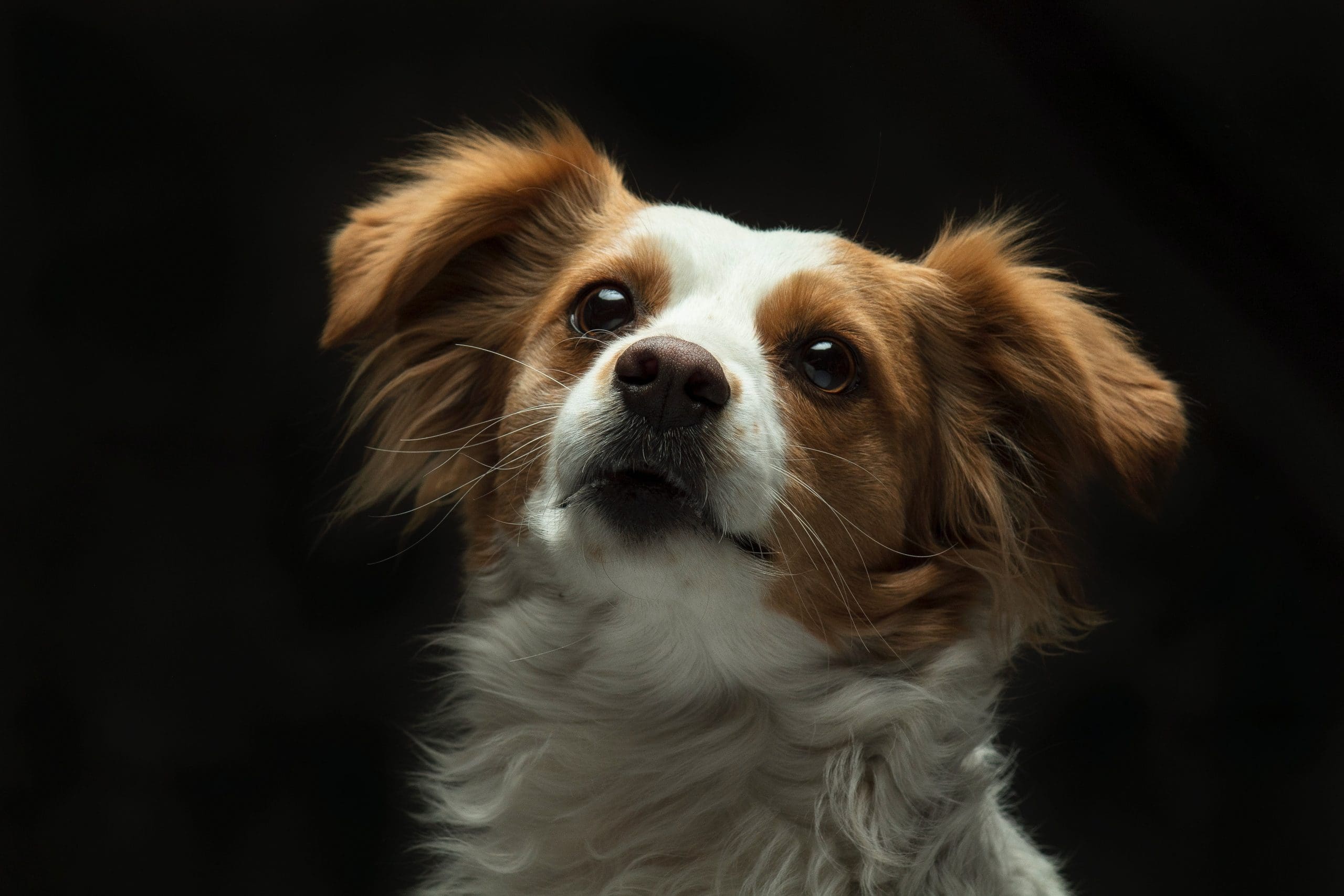
What dogs do police use?
Post Date:
January 29, 2026
(Date Last Modified: February 5, 2026)
Police dogs are one of the few working animals that regularly intersect with public life, and for good reason: their presence combines high-level skills, visible action, and a clear human-animal bond. For dog lovers that makes them fascinating, relatable, and worthy of support. This piece explains what kinds of dogs police use, why those dogs succeed, how they are managed, and what to do if you encounter or care for one that may be injured or stressed.
The public interest in K9 units: what’s at stake for communities
When a police dog appears at a community fair or a school assembly, the reaction is immediate. Demonstrations give people a visible sense of a dog’s drive and training, and they often reveal how similar — and how different — a working dog’s life is from a family pet. Seeing a dog hold focus on a target, track a hidden scent, or calmly work around crowds helps people understand the sensory and behavioral capacities that underlie those skills.
Adoption interest in retired police dogs is another reason for attention. Those dogs often have strong bonds to handlers and unusual training histories; communities commonly want to offer them second careers or homes. I often see good matches when adopters are realistic about exercise, structure, and medical needs. Volunteers and fundraisers play a major role in that transition, supporting veterinary care, re-homing programs, and public education about what a retired working dog needs.
Lastly, people are drawn to the contrast between pets and working K9s. A patrol dog or explosive-detection dog typically operates under strict routines, receives intensive task-driven reinforcement, and is managed to protect both the dog’s health and the public’s safety. That structure can be inspiring to owners who want to use informed enrichment, consistent training, and thoughtful retirement planning for their companion animals.
Breeds and duties: which dogs serve in police work
- Patrol/apprehension dogs — trained for protection, suspect control, building searches, and officer safety. These dogs are often selected for courage, physical power, and strong play or prey drives that can be redirected into controlled bite work.
- Detection dogs — focused on identifying specific odors such as narcotics, explosives, or accelerants. Their job is to indicate the presence of a target odor without disturbing the scene; many teams emphasize passive alerts (sitting or pawing) to avoid contaminating evidence.
- Tracking/search dogs — trained to follow a person’s trail or locate missing people. They work on scent discrimination and may trail across varied terrains; these dogs are usually steady, persistent, and able to work independently while staying connected to a handler.
- Specialized forensic teams — including cadaver dogs, arson-scene accelerant dogs, and those trained to detect biological agents. These teams often require additional certification and cross-disciplinary coordination with forensic scientists and public health officials.
How K9s use scent, hearing and body language to gather intel
A dog’s nose is the engine of most police work. The olfactory system can separate and detect odor molecules at concentrations that are likely orders of magnitude lower than human detection thresholds. Anatomically, dogs have a much larger olfactory epithelium and more receptor types, which likely contributes to their ability to distinguish complex scent mixtures. In practical terms, that means a detection dog may find a needle-in-a-haystack odor source that a person would never notice.
Training builds on that biology through systematic learning and reinforcement. Dogs usually learn target odors through repeated pairing of the scent with a strong reward — often a preferred toy or high-value food — in progressive steps that increase difficulty and distraction. Reward-based conditioning generally produces reliable, motivated responses and preserves willingness to work across years of service.
Handler-dog communication is mostly nonverbal. Subtle body language, leash tension, and timing of rewards shape performance. I typically observe that the best teams have a compact, predictable rhythm: handlers read changes in speed, head carriage, and tail movement, and dogs learn to escalate or soften their behavior depending on handler signals. Vocal commands are present, but most real-time adjustments are made with posture and touch.
Breed and genetics matter, but not in a deterministic way. Certain lines of German Shepherds, Belgian Malinois, Labrador Retrievers, and Springer Spaniels are repeatedly used because selection has favored traits useful for specific roles: drive and protection for patrol, olfactory acuity and temperament for detection, calm persistence for tracking. Genetics provides predispositions; training and environment shape how those predispositions manifest.
What prompts a K9 into action — deployment, alerts and use-of-force
Whether a dog will locate a scent or perform a task depends on conditions that affect scent availability. Older scents may be faint but still detectable; however, age, surface type, and environmental contamination reduce concentration and make alerts more difficult. Wind, humidity, and air currents can either carry scent toward a dog or disperse it away from their search path, so handlers choose approaches that maximize scent pickup.
Terrain and climate change how a dog looks and moves. Urban environments introduce concrete, traffic noise, and competing odors, while rural fields present vegetation and uneven footing. High heat decreases performance and increases risk; cold and snow will mask or preserve scents differently. I often see teams alter work-rest cycles as temperature and humidity change.
Time-on-task matters. Dogs tire physically and mentally; when they fatigue their search patterns become shallower and false alerts or miss rates can climb. Good teams work in planned shifts, with short intense searches followed by recovery breaks. Human context — including the presence of crowds, loud noises, or emotional distress — can distract a dog or increase arousal, so handlers may tighten control or remove the dog from an environment until conditions normalize.
Recognizing health problems and safety red flags in police dogs
Working dogs hide discomfort well, so small signs may precede serious conditions. Heat stress often begins with heavy, prolonged panting and increased drooling, and may progress to collapse, vomiting, or disorientation. If a dog is hot and unsteady, that may suggest heat illness and requires immediate cooling and veterinary assessment.
Physical injuries can be subtle. Limping, an unwillingness to bear weight, persistent licking at one area, or swelling are all reasons to pause work and examine the dog. Bleeding and open wounds are urgent but even internal pain may be indicated by behavioral changes such as reluctance to jump, difficulty getting up, or a sudden decrease in appetite or play drive.
Behavioral signals can be informative. Avoidance, freezing, an atypical snap, or sustained whining may reflect fear, pain, or overwhelming stress rather than “bad” temperament. I usually advise handlers and owners to interpret context: a normally bold dog that suddenly withdraws likely needs assessment. Sudden uncharacteristic aggression risks both safety and welfare and may suggest injury or neurological problems.
Toxin exposure is a special concern for detection and patrol dogs. Accidental ingestion of narcotics at a search site, chemical burns from accelerants, or unexplained seizures may indicate contact with hazardous substances. Any signs such as drooling, vomiting, trembling, or neurologic changes should prompt immediate veterinary contact and, if possible, documentation of the suspected exposure for later testing.
Immediate steps handlers (and nearby owners) should take
- Secure the dog and scene: move the dog to a shaded, safe area, remove obvious hazards (hot pavement, standing water with chemicals), and limit crowding so the dog can be handled without added stress.
- Assess basic vitals: check breathing, pulse (typically under the inner thigh or femoral artery), mucous membrane color, and responsiveness. Note whether panting is productive or abnormal.
- Provide first aid while preparing transport: for heat, begin passive cooling with cool (not ice-cold) water and wet towels; for bleeding, apply direct pressure and bandaging; for suspected toxin ingestion, avoid inducing vomiting without veterinary guidance.
- Seek veterinary care promptly and notify the responsible agency or handler. Document observations — time, location, observed behavior, and any substances present — which may be useful for diagnosis and for incident reports.
Training practices and environmental controls that shape K9 behavior
Foundational obedience and controlled socialization are non-negotiable for long-term success. Dogs that reliably respond to recalls, heel commands, and release cues are safer to work and retire. I recommend starting with short, frequent sessions that build reliability before introducing high-distraction environments.
Scent and task training should progress from clear, controlled exposures to more realistic scenarios. Trainers typically start by teaching a strong indication on the target odor in a calm environment, then layer distance, hidden placements, and environmental distractions. Proofing a behavior — testing it in different locations, surfaces, and under varying stressors — helps ensure transfer to field conditions.
Conditioning and rest cycles deserve equal emphasis. A graduated workload build-up reduces musculoskeletal injury risk; dogs should gain fitness gradually and receive predictable rest between intense sessions. Mental enrichment that is relevant to the job — play that taps the same drives used on task — preserves motivation without overloading the dog.
Planning for retirement should begin early. Some dogs transition directly into therapy or sport roles; others need careful behavior modification and medical support. I typically advise handlers and adopters to budget for extra veterinary care, a settled routine, and a slow introduction to domestic life to avoid stress-related regressions.
Critical K9 equipment: protective and operational gear every team needs
Well-chosen equipment protects both dog and handler. Working harnesses that distribute force and provide secure attachment points are standard for patrol and tracking work. Protective vests can reduce injury risk in bite and hostile environments, but they should be properly fitted to avoid overheating or movement restriction. Odor-permeable muzzles are useful during some detection tasks to prevent unwanted scavenging while still allowing panting and scent intake.
Cooling and hydration tools are critical, especially in warm weather. Portable shade, collapsible water bowls, and insulated hydration systems allow handlers to manage temperature proactively. For field care a canine first-aid kit with sterile dressings, bandage material, a thermometer, and emergency cooling gel or towels is practical.
For operational management, tracking GPS collars and long lines can increase safety by keeping a dog locatable and contained without short-leash interference. Secure kenneling gear and vehicle safety restraints are also important to prevent escape and reduce stress during transport.
References and further reading
- Merck Veterinary Manual: “Heatstroke in Dogs” — Merck & Co., Inc., https://www.merckvetmanual.com/ (search “heatstroke in dogs”)
- American College of Veterinary Behaviorists (ACVB) resources: position statements and guidance on working dog welfare, https://www.dacvb.org/
- National Police Dog Foundation: “K9 Health & Safety” resources and retirement guidance, National Police Dog Foundation, https://www.nationalpolicedogfoundation.org/
- Applied Animal Behaviour Science: review articles on scent detection and working dog olfaction (see reviews by Guest and others for methodological overviews)
- TSA Canine Training Center: “Canine Program Guidance and Handler Resources” — Transportation Security Administration canine program documentation
