
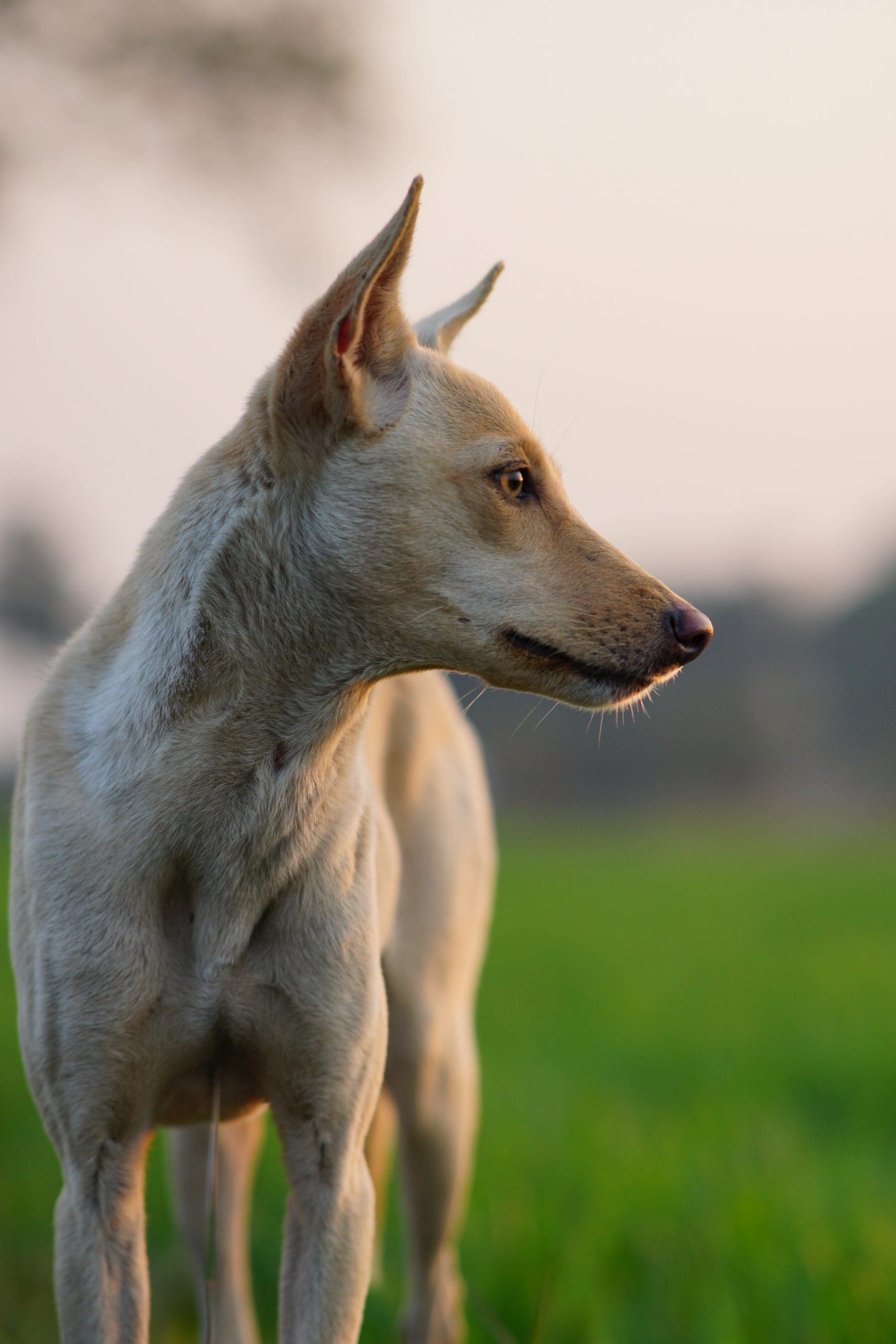
How much to feed a german shepherd puppy?
Post Date:
December 23, 2025
(Date Last Modified: February 5, 2026)
If you have a German Shepherd puppy or plan to get one, knowing how much to feed is one of the single most practical things that shapes long-term health: growth rate, bone development, behavior at mealtimes, and the risk of joint problems are all linked to what and how much a pup eats while growing.
Is this feeding guide right for your German Shepherd puppy?
New German Shepherd owners and first-time puppy parents will get the most immediate benefit from clear feeding targets because you are setting habits and growth patterns that can persist for life. Rescue or rehomed puppies without a reliable growth history often need closer monitoring and a conservative plan while their weight and appetite normalize. Breeders and households with multiple puppies should track each pup separately so individual differences don’t get masked by group feeding. Owners of working or performance-line German Shepherds—those bred for endurance, sport, or service work—may need to plan nutrition with growth and later workload in mind to support both tissue development and future performance.
Practical daily portions for a German Shepherd puppy: a concise recommendation
- Starting portion: a practical initial target is roughly 3–5% of the puppy’s current bodyweight per day, split into multiple meals; adjust toward the lower end for very large-breed pups and the higher end for smaller or highly active individuals.
- Meal frequency by age: 6–12 weeks typically 3–4 meals/day; 3–6 months usually 3 meals/day; 6–12 months move to 2 meals/day as growth slows and adult routines begin.
- Rough kcal/day ranges (very approximate, use bodyweight tracking to refine): for expected adult weight 20–30 kg → ~900–1,600 kcal/day during peak growth; for 30–40 kg → ~1,200–2,000 kcal/day; for 40–50 kg → ~1,500–2,400 kcal/day, with the highest needs typically between 2–6 months and tapering toward adulthood.
- Transition to adult feeding: most German Shepherds can begin transitioning around 12 months, but large and giant lines may benefit from growth-formulated diets until 12–18 months; reduce calories gradually as growth slows to avoid rapid weight gain.
How a German Shepherd puppy’s growth stage shapes appetite and calorie needs
German Shepherd puppies grow quickly, and that rapid tissue expansion drives higher per-kilogram energy needs compared with adult dogs. Growth is not linear: energy and protein demand climb before and during peak spurts, then drop as skeletal maturity approaches. Appetite usually follows those hormonal surges, so a pup may eat more for a few days and then level off; this is often normal but should be checked against weight trends.
Bone growth and the balance of calcium to phosphorus are particularly important for large breeds because uneven or excessive mineral intake while growth plates are still open may be linked to skeletal problems. Using a diet formulated for large-breed puppies that meets established nutrient profiles is likely a safer approach than free-form supplementation, which can unintentionally push mineral intake outside ideal ranges.
Protein and essential fatty acids support muscle development, organ growth, and neural maturation. Quality matters: digestible proteins and sufficient long-chain fatty acids are associated with better lean-mass gain and coat and brain development, whereas inadequate protein may limit healthy tissue growth even if calorie targets are met.
What influences how much your German Shepherd puppy should eat: age, activity and health
Age and expected adult size are the primary drivers: a 10-week pup that will finish at 40 kg typically needs more calories and different portion pacing than one expected to finish at 25 kg. Breed lines matter too—working lines often show higher muscle mass and activity-related energy demands compared with some show lines.
Current weight, body condition score (BCS), and the growth trajectory are your best real-time guides. Two pups of the same age can require different portions if one is lean and growing rapidly while the other is carrying extra fat. Weekly weighing and plotting against a growth curve can show whether you’re on track or need to tweak intake.
Activity level changes needs substantially. A puppy in a household with lots of controlled exercise, training repetitions, or early sport work will burn more calories and may need extra food relative to a mostly sedentary puppy. Health status, neuter/spay timing, ambient temperature (very cold increases energy needs), and some medications can also shift calorie requirements; these should be folded into adjustments as you monitor the pup.
Feeding risks and warning signs every owner should watch for
Rapid or uneven growth—such as disproportionately long limbs or sudden large increases in weight—may indicate that caloric balance or nutrient ratios need correction. Persistent underweight or overweight trends should prompt a plan change and possibly veterinary input because both extremes can predispose the pup to long-term joint and metabolic problems.
Gastrointestinal signs like recurrent vomiting, persistent diarrhea, or blood in the stool are not normal and need prompt evaluation. These can represent intolerance, infection, parasites, or dietary imbalance. Similarly, abdominal distention, uncomfortable restlessness, or repeated attempts to vomit may suggest bloat (gastric dilatation-volvulus) or a pre-bloat state—these are emergencies and require immediate veterinary attention.
Lethargy, sudden changes in thirst, or abrupt weight loss or gain are other red flags. If the pup’s behavior or energy level changes markedly after feeding changes, seek veterinary advice rather than guessing at further adjustments.
Putting the feeding plan into action for your puppy: a clear daily routine
- Calculate a starting portion: weigh your puppy and multiply by 0.03–0.05 to get a daily gram estimate; check your chosen food’s kcal/100g on the label and convert that daily gram estimate into kcal so you know the energy target you’re starting from.
- Establish scheduled meals and measure portions: divide the daily portion across the age-appropriate number of meals, use a kitchen scale for accuracy, and keep meal timing consistent to support digestion and training.
- Weigh weekly and monitor body condition: record the puppy’s weight and score body condition (a simple 1–9 or 1–5 scale). If weight gain is faster than recommended for the breed and age, reduce daily calories by about 5–10%; if the pup isn’t gaining or is losing weight, increase by a similar margin and reassess in a week.
- Adjust based on growth curve and veterinarian guidance: plot weights against an expected growth curve for German Shepherds and use a vet or clinic growth chart to interpret deviations. For any concerning trends or clinical signs, consult your primary-care veterinarian or a veterinary nutritionist.
- Transition food gradually: when switching diets or moving from puppy to adult formula, mix increasing amounts of the new food over 7–10 days to avoid GI upset. During transitions, maintain the same overall caloric intake unless you’re intentionally changing energy density under guidance.
Managing mealtime behavior — from picky eating to resource guarding
Consistency helps shape calm eating. Use the same feeding location and predictable meal windows so the puppy learns when to expect food. Teaching simple cues such as “wait” before you put the bowl down and a short settle exercise after the meal begins helps avoid frenzy and can reduce gulping.
Avoid free-feeding; measured meals allow you to control calories and notice changes in appetite. Treats are useful for training but should be accounted for in the daily caloric budget—high-value training days may require lowering meal portions slightly to prevent excess calories.
In multi-dog households, manage feeding by separating bowls or staggering meals. This prevents food guarding, ensures shy puppies eat their share, and helps you accurately track individual intake.
Feeding gear that helps: bowls, feeders and tools worth investing in
An accurate digital kitchen scale is the single most useful tool for feeding: measuring by weight is far more precise than cups because kibble density varies by brand. Keep a measuring cup or scoop calibrated to the specific kibble on hand for quick reference when traveling.
Slow-feeder bowls or puzzle feeders can reduce gulping and promote satiety, which is helpful if the puppy tends to eat very fast. For tracking, a simple feeding log—whether a notebook or an app—keeps daily records of portions, treats, stool quality, and weight so you can detect small trends before they become problems.
References and trusted resources behind these recommendations
- AAFCO Official Publication: Dog and Cat Food Nutrient Profiles and Feeding Statement Guidance, Association of American Feed Control Officials (latest edition).
- WSAVA Global Nutrition Toolkit: Nutritional Assessment and Recommendations for Companion Animals, World Small Animal Veterinary Association (WSAVA) Nutrition Committee.
- Merck Veterinary Manual: Nutrition of the Growing Puppy (section), Merck & Co., Inc. Veterinary Manual online.
- National Research Council (NRC): Nutrient Requirements of Dogs and Cats (2006), National Academies Press—chapter on growth and maintenance energy.
- American College of Veterinary Nutrition (ACVN) position statements and clinical resources on large-breed puppy feeding and calcium/phosphorus balance.
