
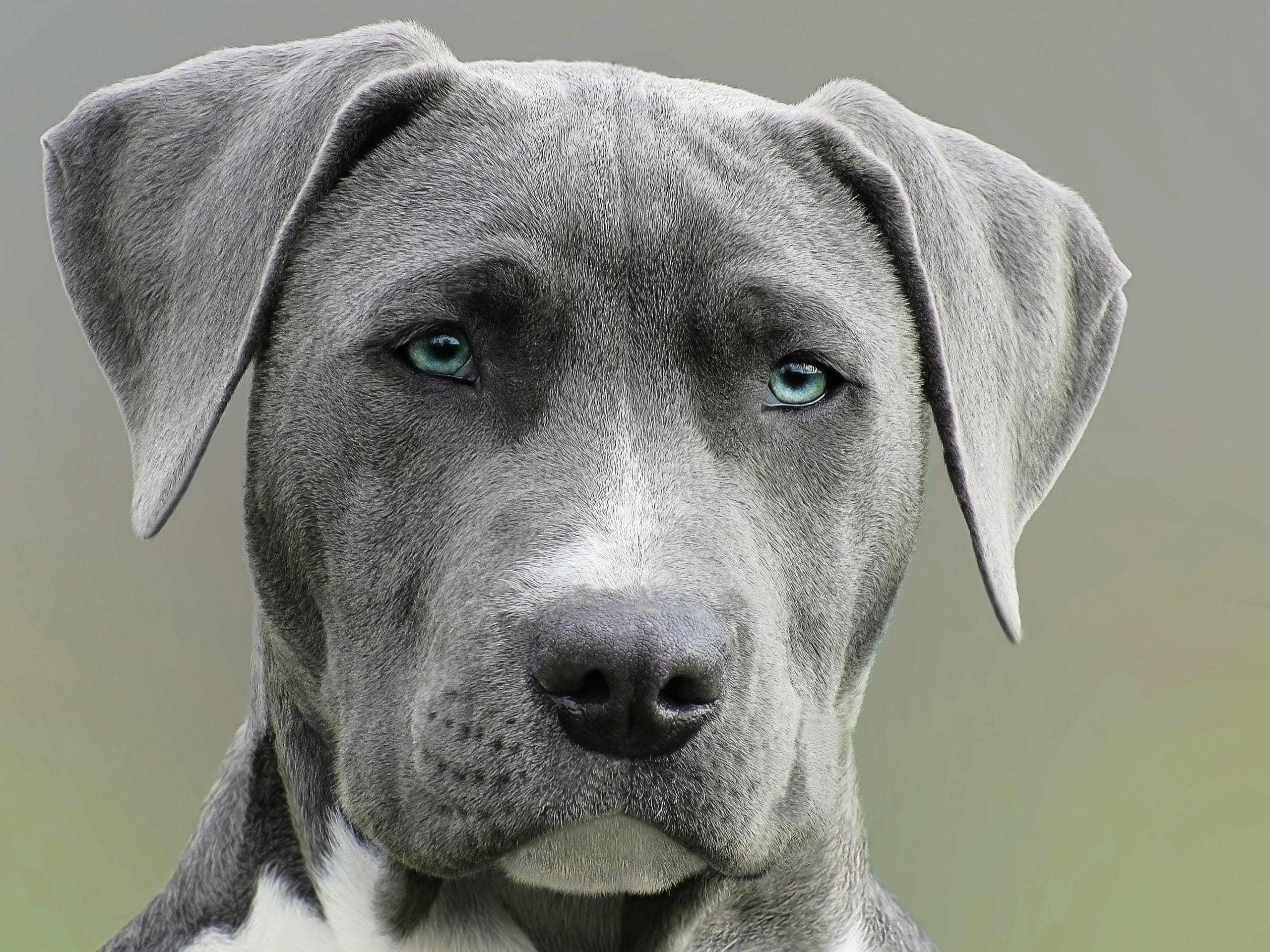
How often to clean dog ears?
Post Date:
December 25, 2025
(Date Last Modified: February 5, 2026)
Keeping a dog’s ears clean is one of those practical care tasks that directly affects your dog’s comfort and your relationship. A dog that stops shaking its head, tolerates grooming, and doesn’t scratch at its ears is easier to live with and more likely to enjoy walks, grooming, and close contact. At the same time, routine attention to ears can reduce the chance of painful infections that may require repeated vet visits.
How proper ear care protects your dog’s health and comfort
Owners often check ears because they notice smell, visible debris, or repeated head shaking. Those small signals are usually what prompts a closer look, and they matter because ear problems can escalate. Left unchecked, inflammation and infection may become recurrent, uncomfortable, and sometimes costly to treat.
Regular, gentle cleaning can improve immediate comfort by removing excess wax and trapped debris that may irritate the skin. Over time, a sensible routine can also reduce the frequency of infections in dogs that are prone to them, though cleaning is only one piece of a broader prevention plan that may include allergy control and grooming.
Breed and lifestyle have clear effects. I typically see more ear issues in dogs with long, floppy ears and in dogs that swim or live in humid climates; those animals often need more frequent attention than a short-coated, outdoor dog in a dry climate.
How often should you clean dog ears? A clear guideline
For most dogs, a good starting guideline is to check ears weekly and clean them as needed, which often translates to cleaning roughly once every two to four weeks. That range is flexible: some dogs do fine with a monthly wipe, others need weekly or twice-weekly cleaning.
Certain cases require higher frequency. Dogs that swim regularly, dogs with dense hair in the ear canal, and dogs with a history of recurring ear infections may benefit from cleaning once or twice a week until things stabilize. By contrast, dogs with healthy ears, good ventilation, and no history of ear issues may only need a quick check and occasional wipe every few weeks.
If an ear looks sore, has a bad odor, shows colored discharge, or if the dog becomes painful when you touch the ear, delay routine cleaning and contact your veterinarian. Cleaning an infected, painful ear at home can make the problem worse or mask an important diagnosis.
Dog ear anatomy: what’s normal and why it matters
The visible outer ear, the pinna, funnels sound into two canal sections veterinarians commonly refer to as vertical (or outer) and horizontal (or inner) canals, which terminate at the eardrum. The ear canal is lined with skin that produces cerumen, the waxy substance that helps trap dirt and protect delicate tissues.
Cerumen and microscopic skin debris are normal and serve a purpose: they lubricate and create a protective barrier. The ear also has a modest self-cleaning mechanism—the migration of skin cells and movement of jaw muscles during chewing assist clearance. That means not every speck of wax needs removal; the goal is to keep the canal free of excessive buildup, moisture, and foreign material.
Shape and hairiness influence ventilation and moisture. Floppy ears that lie close to the head can reduce airflow and create a warm, humid microenvironment where bacteria and yeast are more likely to overgrow. Similarly, heavy hair growth in and around the canal can trap moisture and debris, increasing the risk of irritation.
Routine versus necessary cleaning — when to take action
Regular cleaning is more often needed when external factors increase moisture or debris. Dogs that swim or bathe frequently are exposed to water that can linger in the ear canal; even well-aimed drying may miss trapped moisture. I advise drying the ear thoroughly after any water exposure and reassessing the ear within 24–48 hours.
Breeds with pendulous ears—Cocker Spaniels, Basset Hounds, many hounds—and breeds with hairy ear canals—Poodles, Schnauzers, some terriers—tend to need more frequent checks and cleaning. Grooming to manage excess hair and keeping the canal clear can substantially reduce problems.
Environmental factors such as high humidity, seasonal pollen, and household allergens may also increase ear trouble. If a dog’s ears flare up only during certain seasons or after exposure to specific environments, cleaning frequency may need to increase temporarily and allergy management should be discussed with your veterinarian.
Early warning signs of ear problems to watch for
Cleaning is preventive, not curative. If you encounter foul odor, colored (yellow, green, brown) discharge, or an unusual amount of dark crumbly debris, those findings are more likely linked to infection or foreign material than to routine wax. Redness, swelling, or thickened tissue inside the ear is another red flag.
Behavioral signs matter. Persistent head shaking, frequent ear rubbing, sudden sensitivity when the ear is touched, a change in balance, or a decline in hearing are cues that home care alone may not be enough. Recurrent infections, especially when they return after a course of treatment, often suggest an underlying problem—such as allergy or structural issues—that benefits from veterinary evaluation.
When in doubt, pause home cleaning and call your veterinarian. It is better to have a professional assessment than to risk worsening a hidden infection by cleaning a painful ear at home.
Safe cleaning techniques you can do at home
- Inspect first: Look and smell. If the ear has strong odor, visible pus, severe redness, or causes pain when you touch it, stop and consult your vet before cleaning.
- Gather supplies: a vet-approved ear cleaner, soft cotton pads or gauze, plenty of treats, and a towel. Avoid cotton swabs—those can push material deeper and damage the eardrum.
- Restraint and comfort: Have someone help hold your dog if needed. Keep the session short and use treats to create a calm association. Speak quietly and move deliberately.
- Apply cleaner: Gently lift the ear flap and apply the amount recommended on the product label into the ear canal. Some cleaners are designed to foam or loosen debris.
- Massage the base of the ear: Hold the ear closed at the base and massage gently for 20–30 seconds so the cleaner moves down the canal; you may hear a squishing sound. This helps loosen wax and debris.
- Wipe the visible canal: Let your dog shake its head, then use a cotton pad or gauze to wipe out loosened debris from the opening and the visible vertical canal. Do not insert anything deep into the horizontal canal or try to reach the eardrum.
- Repeat if necessary: If debris remains visible, a second gentle application may help. Always avoid vigorous scrubbing and stop if your dog shows pain or worsening signs.
- Record and observe: Note the date, product used, and how the ear responded. If discharge returns, or if cleaning seems increasingly needed, schedule a vet visit to evaluate for underlying causes.
Preventing ear issues through grooming and training
Drying ears after swimming or bathing is simple and effective: use a soft towel to blot excess water and consider a short drying aid recommended by your vet. The goal is to remove visible moisture; avoid forced air into the ear or inserting objects deep into the canal.
Regular grooming reduces the work of ear cleaning. For hair-prone breeds, a groomer or veterinarian can trim excess hair around the ear opening and, when appropriate, thin hair inside the canal to improve airflow. Avoid over-plucking unless advised by a professional, because unnecessary trauma can increase infection risk.
Train ear handling as a routine. Short, daily sessions where you lift the ear, look briefly, and reward a calm response build tolerance over time. I find dogs adapt well when they receive a predictable routine and consistent positive reinforcement—treats, quiet praise, and a short, pleasant ending.
Recommended tools and products for effective ear care
Choose vet-approved ear cleaners labeled for canine use and formulated for the purpose—these often include gentle surfactants and sometimes drying agents. Avoid home remedies like undiluted hydrogen peroxide or alcohol unless your veterinarian has specifically recommended them for a particular circumstance, as those can be irritating.
Use soft cotton pads or gauze to wipe the ear opening; they absorb debris without pushing material deeper. Do not use cotton swabs inside the canal. Disposable ear wipes can be helpful for quick maintenance on the flap and outer canal, but they are not a substitute for deeper cleaning when needed.
A handheld otoscope is a useful tool for veterinarians and trained professionals; it allows visualization of the canal and eardrum. It is generally not a device for most owners to use without training because improper use can injure the ear.
Sources and further reading
- Merck Veterinary Manual: Otitis Externa in Dogs — practical overview of causes, diagnosis, and treatment approaches.
- American Veterinary Medical Association (AVMA): Ear Problems in Dogs — guidance on recognizing ear disease and when to seek care.
- AAHA/AAFP Canine Otitis Externa Guidelines (peer-reviewed consensus) — recommendations on evaluation and management of ear infections.
- Miller, W. H., Griffin, C. E., & Campbell, K. L., Small Animal Dermatology — chapters on ear disease and dermatologic contributors to otitis.
- Journal of the American Veterinary Medical Association (JAVMA): Selected clinical reviews on canine otitis and diagnostic techniques.
