
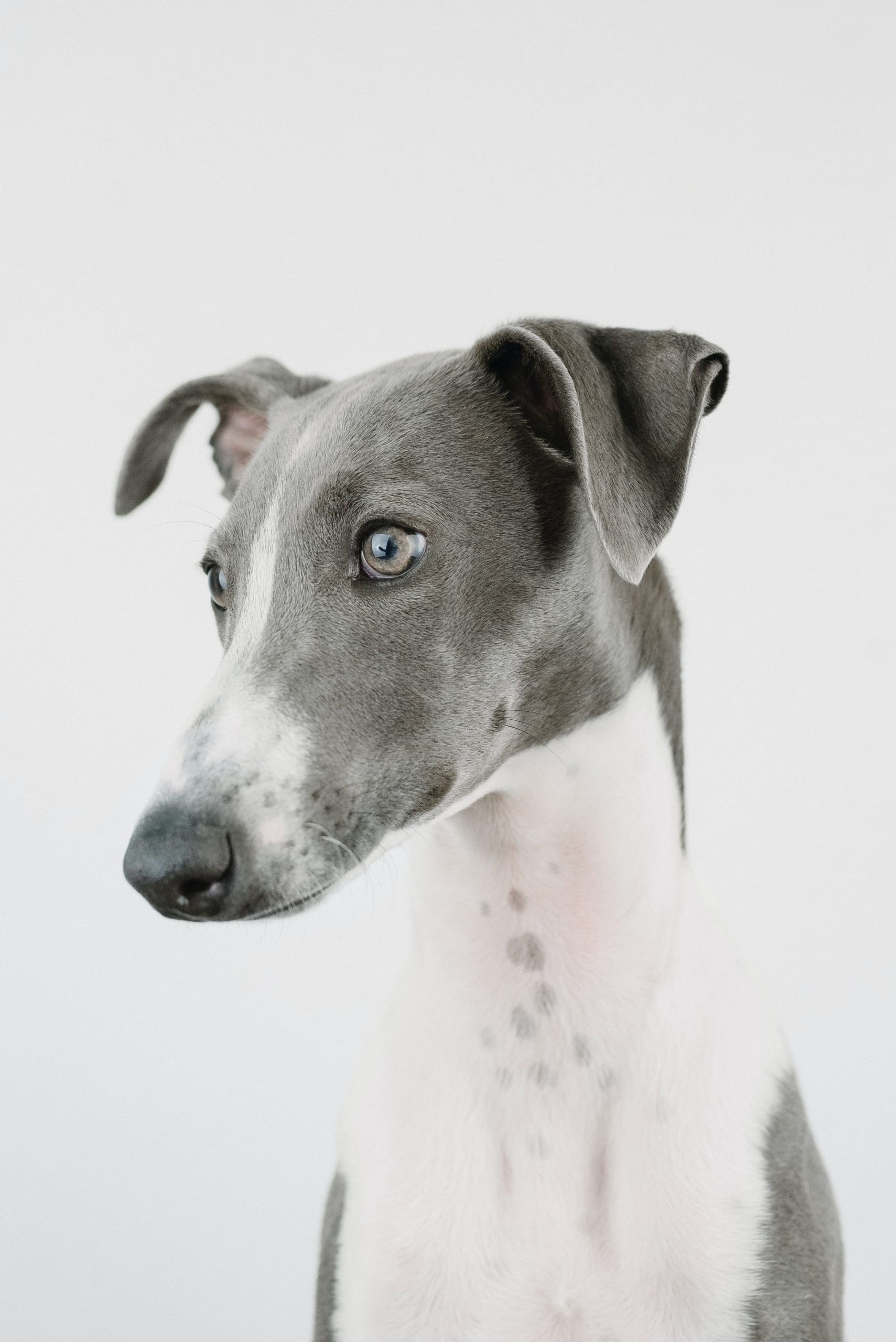
What hotels allow dogs?
Post Date:
December 27, 2025
(Date Last Modified: February 5, 2026)
If you travel with a dog enough that it affects how you choose lodging, this guide is for you. Below I walk through common situations that make a dog-friendly stay necessary, the types of hotels and rentals that usually accept dogs, why dogs can act differently in a hotel room, when hotel pet rules matter, what to watch for from a safety standpoint, practical booking and on-trip steps, simple training to reduce problems, and the gear that truly makes a hotel stay easier for both you and your dog.
Need a Dog-Friendly Hotel? How to Find the Right Property
Short trips and road trips are the most obvious times people prioritize pet-friendly lodging: a long drive with a restless dog, a beach weekend, or a quick city break. I also see dog owners needing temporary housing when relocating or doing extended work travel; in those cases you want predictable access to outdoor relief and a room layout that suits a crate or quiet corner.
Avoiding kennels or the logistics of pet sitters is another common reason to bring your dog. Many owners prefer to keep their routine intact rather than introducing unfamiliar caregivers, which may reduce stress for some dogs. And finally, attending events in neighborhoods that are known to be pet-friendly — outdoor festivals, dog-friendly patios, or hubs with green space — often requires booking a place that welcomes pets so you aren’t scrambling at the last minute.
Where Dogs Are Welcome: Chains and Independent Hotels That Allow Pets
If you need a quick answer: pet-friendly options range from budget motels to boutique inns and some big-brand programs. Acceptance patterns vary widely, so always confirm specifics before booking.
- Independent boutique and mom-and-pop hotels often advertise dog-friendly rooms and may be flexible about small exceptions.
- Several major brands have formal pet programs. Kimpton is widely known for a dog-welcoming policy; Loews markets pet amenities; some Best Western, La Quinta, and individual Motel 6 locations also accept dogs depending on property rules.
- Vacation rentals, many bed-and-breakfasts, and a growing number of luxury properties will accept dogs but commonly attach fees and restrictions.
- Service animals are protected differently from pets under laws like the ADA, and emotional support animal rules have shifted recently — they are not treated the same as trained service animals in many hotel policies.
How Dogs Act in Hotel Settings — Typical Behaviors and How to Manage Them
Dogs placed in unfamiliar rooms are likely to respond to a combination of stress, novelty, and changes in routine. Excessive barking, pacing, or accidents can reflect separation anxiety or confusion about where to relieve themselves. I typically see dogs who are well house-trained at home make elimination mistakes when their walk schedule or scent cues change.
Scent drives a lot of canine behavior. In a new environment your dog will probably spend a lot of time sniffing, which is their primary way of learning a space. That sniffing can look like hyperactivity to an owner but is the dog’s information-gathering system and may help them settle over time.
Energy balance matters too. A dog that hasn’t had adequate exercise before a long car ride or a late arrival at a hotel may be restless and noisier. On the other hand, pain or an underlying medical issue can change a dog’s tolerance for travel and novelty; dogs in pain may withdraw, vocalize, or act irritable in ways owners might interpret as “bad behavior.”
Understanding Hotel Pet Policies: Fees, Size Limits and Breed Restrictions
Hotel pet rules are enforced based on a mix of local laws, property choices, and operational needs. City ordinances and building homeowner association rules can force a property to restrict pets even if the brand policy is pet-friendly. Always check both municipal rules and the specific property’s policy.
Within a single hotel, rules may be room-specific: some properties designate entire pet floors or certain room types for guests with dogs, while others confine dogs to ground-floor rooms with outdoor access. High demand periods — holidays, festivals, or peak tourist season — can tighten enforcement or trigger blackout dates for pets.
Most hotels also have explicit limits on size, breed, or number of dogs. A two-dog limit or a weight cap is common; if you travel with a large dog or multiple dogs, you may find fewer available options and higher fees. Always get the policy in writing before you arrive so there are no surprises at check-in.
Hotel Safety Checklist: Signs a Room or Property Isn’t Right for Your Dog
Watching for medical and behavioral red flags keeps your dog safe and helps prevent property damage or complaints. Heatstroke is a high-priority concern: excessive panting, drooling, a glazed look, stumbling, or collapse may suggest overheating. If a dog displays these signs, move them to shade or air conditioning, cool them slowly with damp towels, and seek veterinary care immediately.
Severe anxiety often shows as nonstop barking, frantic pacing, destructive chewing, or attempts to escape. I typically advise owners to intervene earlier rather than later; prolonged anxiety can escalate into injury or persistent behavior problems. Aggression signals such as growling, a stiff body, lunging, or snapping should be taken seriously. Remove the dog from stressful situations, secure them in a safe, confined space, and consult a trainer or behaviorist if aggression appears.
Gastrointestinal signs — vomiting, diarrhea, loss of appetite, or lethargy — may indicate stress, dietary upset, or an infectious problem picked up while traveling. Keep a close eye on hydration, and get veterinary advice if symptoms are severe or persistent.
Booking and Staying With Your Dog: From Reservation to Checkout
- Before you book, confirm the hotel’s written pet policy: fees, refundable deposits, breed and weight limits, number of dogs allowed, and any blackout dates. Ask whether pets can be left alone in the room and whether there are designated relief areas.
- Bring up-to-date vaccination records, an ID tag with current contact details, and any required health certificates. Some jurisdictions or properties may request proof, and having it handy speeds check-in and avoids hassles if staff ask.
- On arrival inspect the room for hazards (loose wires, unstable furniture) and identify the quickest route to an outdoor relief area. Plan walk times and set alarms if you’ll be out; unfamiliar environments can increase the chance of accidents if relief is delayed.
- If you must leave the dog alone, secure them in a crate or a small room with a water bowl and familiar bedding. Use Do Not Disturb signage to limit unexpected staff entry and be clear with front desk staff about your dog being alone to avoid welfare checks that might stress the dog.
Preparing Your Dog: Training Tips for Calm, Courteous Hotel Stays
Preparation eliminates many problems. Crate training and short-alone practice sessions at home are the most reliable way to prevent destructive behavior and to give your dog a safe space in the hotel. I recommend working up to the length of time you expect to be away, starting with minutes and increasing to hours.
Desensitization to hotel-specific sounds helps on arrival: simulate elevator noises, hallway doors opening, and door knocks during training so your dog learns that these sounds are normal and not threats. Keep relief schedules consistent — a tired dog is less likely to be anxious — so aim for longer exercise sessions before travel days and again after arrival.
Bring a few items that smell like home: a blanket, a worn T-shirt, or a favorite toy. These familiar scents can reduce stress and help your dog settle. Communicate openly with hotel staff about your dog’s needs; most properties appreciate heads-up information like “my dog is crate-trained and will be quiet” and will often be more accommodating.
Smart Gear to Pack for a Comfortable Hotel Visit
- Travel crate or portable playpen with your dog’s usual bedding or blanket to provide a consistent den-like space.
- Collapsible water and food bowls, a sturdy leash and harness, and plenty of waste bags for quick cleanups.
- Portable pet first-aid kit that includes bandage material, tweezers, and a contact card for your regular vet and local emergency clinics; store vaccination records and ID tags in a waterproof holder.
- Calming aids can help some dogs: a pheromone spray or diffuser, an anxiety vest, or prescribed short-acting medication when recommended by your veterinarian. Consult your vet before introducing any calming product.
Further Reading and Official Policy Sources
- American Kennel Club — “Traveling With Your Dog: Hotels That Allow Dogs and How to Prepare”
- American Veterinary Medical Association — “Pet Travel and Relocation Resources” and guidelines on vaccinations and health certificates
- Centers for Disease Control and Prevention — “Healthy Pets, Healthy People: Traveling with Pets”
- American Society for the Prevention of Cruelty to Animals — “Traveling with Pets: What to Bring and How to Prepare”
- American Hotel & Lodging Association — “AHLA: Pet-Friendly Lodging Best Practices”
- Kimpton Hotels — “Kimpton Pets: What to Expect” and Loews Hotels — “Loews Loves Pets” policy pages
- Merck Veterinary Manual — chapters on heatstroke in dogs and travel-related stress management
