
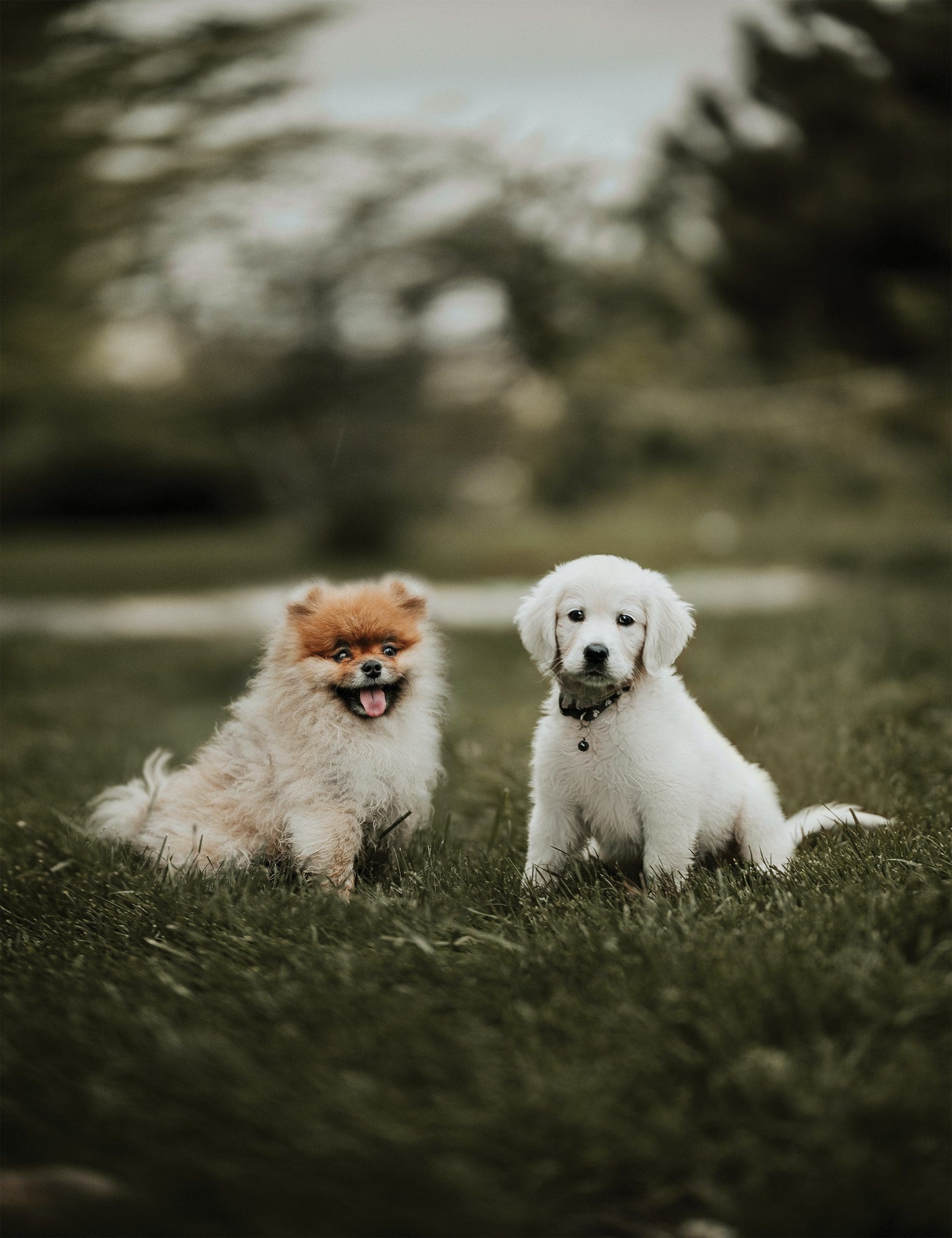
Dogs sneeze when playing?
Post Date:
December 12, 2025
(Date Last Modified: February 5, 2026)
Dogs sometimes sneeze in the middle of a romping session and it can make an owner pause: is that a joke, a signal, or a problem? As a clinician who watches hundreds of play sessions, I find that a sneeze in play is usually a small, purposeful move packed with meaning. Understanding it helps you enjoy play more, read your dog’s social signals, and intervene when needed to keep play safe.
What Play Sneezes Reveal About Your Dog’s Behavior and Health
When a dog sneezes during play, owners commonly worry it’s a sign of illness, a sudden injury, or an attempt to escape. Newer owners especially can misread playful sneezing as a problem because it looks odd out of context. Recognizing play sneezes as part of normal canine social behavior makes it easier to relax during rough-and-tumble sessions and to support healthy interactions between dogs. Beyond comfort, knowing what play sneezes likely mean reduces the chance of missing real issues: misinterpreting calming signals can allow play to escalate into discomfort or aggression. I see the payoff in calmer parks and more confident owners who can tell when to let puppies hash out energy and when to step in.
At a Glance — Are Those Sneezes Just Play?
In short, a sneeze in the middle of play is most often a friendly communication signal. Dogs may sneeze to show “this is play,” to interrupt a moment that could become too intense, or simply because excitement tickles the nose. This is different from sneezing caused by infection, allergy, or an inhaled foreign body, which tends to be more frequent, noisy, or accompanied by other signs. If sneezes are occasional, brief, and tied to playful movements — and your dog otherwise looks happy and recovers immediately — casual observation is usually enough. If sneezing is persistent, bloody, or linked to other signs of illness, it deserves a vet check.
Inside the Sneeze: The Biology of Playful Sneezing in Dogs
Sneezing itself is a built-in respiratory reflex: irritation of the nasal lining triggers a rapid expulsion of air designed to clear the nasal passages. In play, that reflex is likely being co-opted into communication. Dogs may produce short, exaggerated sneezes that other dogs and people seem to interpret as “I’m just playing” or “relax, not serious.” The mechanics are straightforward — a little nasal tickle, a forceful breath out — but the function can be social. By inserting a brief, attention-getting sound and motion, the sneezing dog may reduce the chance that a rough move is misread as aggression and may help lower arousal in an otherwise high-energy interaction. This fits with how dogs use other subtle cues, like a play bow, panting, or soft mouthing, to manage social tempo and intent.
Common Triggers — When Dogs Sneeze During Play
Sneezes tied to play most often show up during high-arousal activities: chasing, wrestling, tugging, or when dogs repeatedly wrestle each other on the ground. Puppies may sneeze frequently as they practice social skills; it’s common during the bite-inhibition learning phase. The social context matters: I typically see deliberate play sneezes among familiar dogs who have established a rhythm, and less often in brief greetings between strangers where more formal signaling is necessary. Environmental factors also influence frequency — dust, fine sand, pollen, or cold air can make sneeze reflexes more likely during outdoor play. Breed and individual differences play a role too: short-faced breeds sometimes sneeze more due to nasal anatomy, while excitable, high-energy dogs may sneeze simply from heightened respiratory rate during play.
Red Flags: When a Sneeze Could Signal a Medical Problem
Not every sneeze in play is harmless. There are clear red flags that suggest something medical is happening rather than a social signal. Excessive or prolonged sneezing fits that continue after play ends, or sneezing accompanied by thick, yellow or green discharge, mucus tinged with blood, or a sudden nasal odor, should trigger a veterinary exam. Other worrisome signs include coughing, gagging, noisy or labored breathing, persistent lethargy, loss of appetite, or a sudden change in behavior such as withdrawing from other dogs. If a foreign object — a blade of grass, foxtail awn, or small stick — is suspected, don’t delay. Foreign bodies can migrate and cause infection or more severe airway irritation. In short, look for patterns and associated symptoms: isolated, brief sneezes during play are different from sneezing that persists or is part of a collection of abnormal signs.
Practical Steps for Owners — How to Respond to Play Sneezing
When you notice sneezing during play, a simple, calm checklist helps decide what to do next. First, observe: note when the sneezes happen (during rough play, at the end of a chase, on meeting another dog), how many occur in a row, and whether any discharge or breathing difficulty appears. If sneezes are single or brief and the dog returns to play immediately, you can simply let them continue while you watch. If sneezing seems frequent, pause the play and give both dogs a short break; this reduces arousal and lets you reassess. Check for visible irritants around the nostrils — dirt, grass seeds, foxtails — using a soft cloth; avoid probing the nose. If you see blood, persistent discharge, or the dog shows breathing trouble, schedule a veterinary exam. In uncertain cases, a quick call to your vet for advice is reasonable; most clinics will help triage over the phone and tell you whether an in-person visit is needed.
Training and Play Strategies to Reduce Unwanted Sneezing
Reducing risky arousal and building safer play habits are things owners can train for. Teach and reinforce calm cues such as a sit-and-wait before returning to play; reward your dog for low-arousal behavior with praise or a treat so calmness becomes more valuable than excitement. Structure play sessions rather than letting them run unsupervised, especially with dogs who get easily aroused or with young puppies. Intervene gently if play becomes too rough: use a neutral interruption like a toy swap, a short leash-guided pause, or a brief removal from the group for a few minutes to let hearts and respirations slow. Socialize gradually when introducing new dogs — supervised, short meet-and-greet sessions allow you to watch for signs (including sneezes used as calming signals) and step in before interaction escalates. I often recommend owners learn a few reliable, non-confrontational interrupt cues so they can break up an overexcited bout without increasing tension.
Gear Guide — Tools to Make Play Safer and More Comfortable
Small equipment choices can reduce nasal irritation and neck strain during play. Choose a well-fitted harness for dogs who pull or who often tumble, rather than a choke or prong collar that can cause throat irritation if grabbed during play. Select toys that are appropriate for your dog’s size and chewing style: avoid sharp or flexible elements that can flick into the nostrils. If your dog is sensitive to seasonal allergens, a HEPA air filter at home may lower indoor pollen and dust that increase sneezing. Keep soft, clean cloths or pet-safe wipes on hand to gently clear visible nasal discharge after play; if you see persistent crusts or bleeding, have a vet evaluate them. Finally, when outdoors in high-plant seasons, check your dog after play for foxtails or seeds and remove them promptly; these are common causes of sneezing and can lead to deeper problems if ignored.
References and Further Reading
- Merck Veterinary Manual — “Nasal and Sinus Disorders in Dogs and Cats” (Merck & Co., Inc., Merck Veterinary Manual online)
- American Veterinary Medical Association — “Normal dog behavior and how to encourage it” (AVMA client handouts and behavior resources)
- RSPCA — “Reading your dog’s body language” (RSPCA advice on canine communication and play)
- Overall, K.L. (2013). Manual of Clinical Behavioral Medicine for Dogs and Cats. Elsevier.
- Bekoff, M. (2001). “Social play and play signals in canids” in works on animal play and communication (selected papers and reviews on canine play behavior)
