
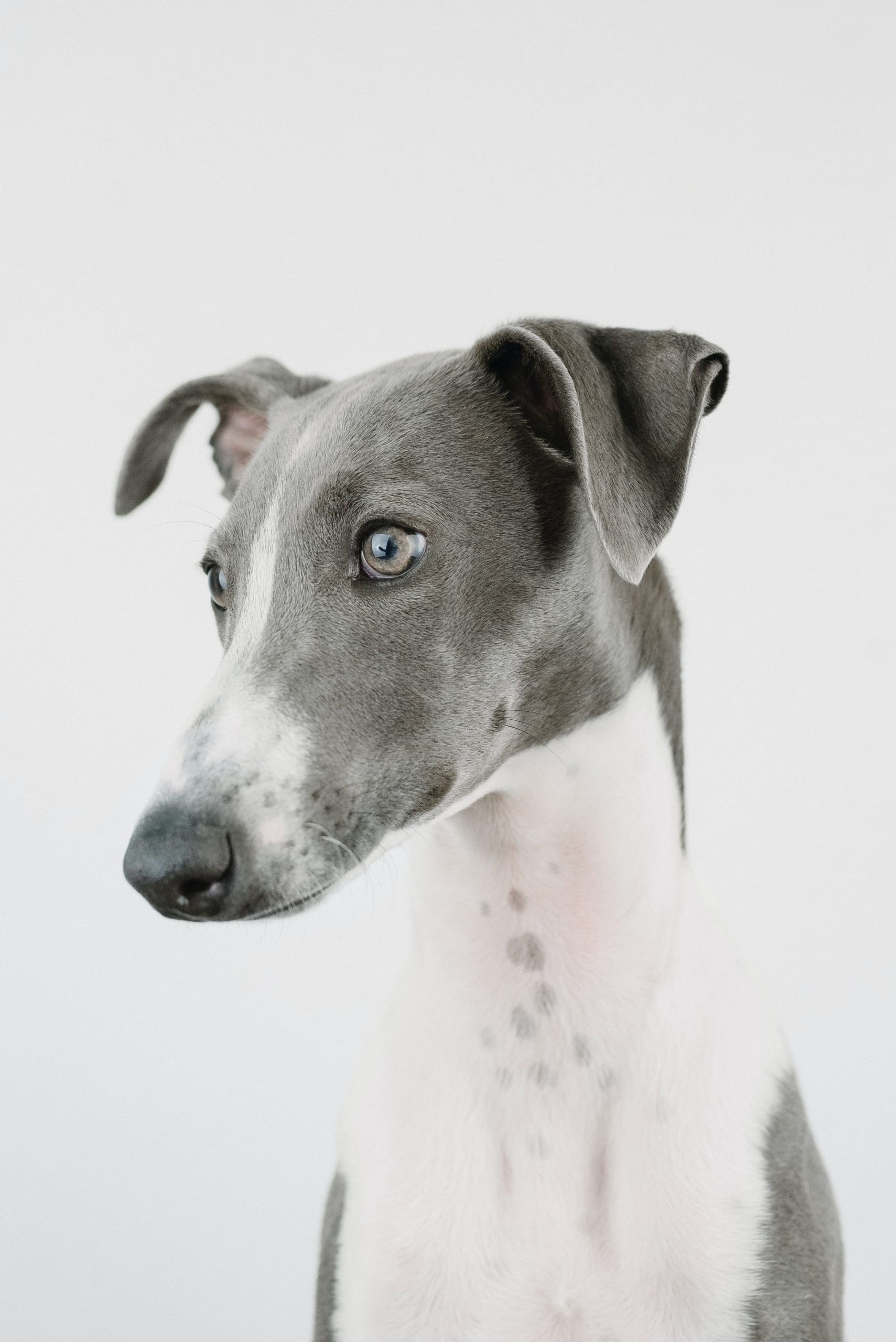
What kind of dog do i have?
Post Date:
January 26, 2026
(Date Last Modified: February 5, 2026)
When you wonder “what kind of dog do I have?”, the question matters beyond curiosity. How you care for, train, and keep a dog safe is often guided by what that dog was bred to do and the physical traits it carries. Below I walk through practical, evidence-based steps and observations that help owners form useful, actionable guesses about a dog’s type and needs.
How knowing your dog’s type improves care and training
Many owners want an answer for different reasons: a new rescue that arrived without paperwork, a puppy whose parents are unknown, or a mixed-breed dog whose behavior puzzles the household. Knowing the likely type of a dog may suggest specific health risks to monitor, appropriate training approaches, and suitable activity levels.
I typically see three common owner motivations. First, rescue owners want to match exercise and social needs so the dog settles faster. Second, behavior concerns—excessive chasing, guarding, or anxiety—are easier to address when you understand likely instincts. Third, medical history planning benefits from a sense of breed predispositions, for example joint or respiratory issues that are more common in certain types.
Beyond safety and health, identification helps with bonding. A dog that was likely bred to herd will often enjoy structured games that simulate that work; a retriever-type usually thrives with fetch and water play. Matching activities to those tendencies can reduce frustration for both dog and owner and build trust more quickly.
Quick ID snapshot — the essentials to check
- Size class: Place the dog in a size category—toy (under ~6 kg), small (6–12 kg), medium (12–25 kg), large (25–40 kg), giant (40+ kg). Size alone may suggest working group origins but is not conclusive for mixed dogs.
- Coat type and color pattern: A short, single coat may suggest hounds or terriers; a dense double coat often indicates northern or herding types; long flowing coats can point toward spaniels, retrievers, or companion breeds. Distinctive patterns—saddle markings, merle, tuxedo—may narrow the list.
- Head shape and ear set: A broad skull with short muzzle often correlates with brachycephalic types, while a long narrow muzzle often aligns with sighthounds and scent hounds. Ears that stand up, tip forward, or naturally fold each have breed-family tendencies.
- Tail carriage and gait: A high, curl-over-back tail is common in spitz types; a low, relaxed tail may be typical of scent hounds. Watch gait—long, springy strides point toward sighthound heritage; a quick, agile prance may suggest herding lineage.
What to look for physically: size, coat and build
- Skull shape, muzzle length, and bite: Measure muzzle length relative to skull length by eye—short muzzles may suggest breathing-related risks later on. Note whether the bite is scissor, level, or undershot; while not definitive, bite type can be a pointer to certain families.
- Leg length, chest depth, and paw size: Long legs and a narrow chest can signal a dog built for speed; short legs and deep chests often indicate burrowing or scent-tracking ancestry. Large paws on a growing puppy may predict a larger adult size.
- Coat texture: Distinguish smooth, short coats from curly or wired hair and from dense double coats with a soft underlayer. Coat type affects grooming needs, temperature tolerance, and even allergy considerations for owners.
- Eye shape, ear type, and tail details: Almond-shaped eyes and erect ears are common in certain herding breeds; round eyes and drooped ears are more common in companion and scent hound types. Note whether the tail is docked, naturally short, or has a plume—each has breed associations.
What your dog’s behavior reveals about its ancestry
Behavior often reveals ancestry that anatomy does not. Genetics may suggest a range of instinctive behaviors: dogs from herding lines are often attuned to body movement and may attempt to gather people or other animals, while hunting or scenting lines tend to track and follow scents with single-minded focus.
Energy and exercise needs are also often breed-linked. A dog from sporting or working backgrounds is likely to need more sustained daily activity and mental work; a toy or brachycephalic-type may be satisfied with shorter, structured activity. I recommend estimating energy by combining observed behavior with size and coat type rather than relying on appearance alone.
Vocalization and signaling styles vary too. Some breeds are more likely to bay or howl when on scent, others to bark in bursts when seeking attention or alerting. Social tendencies toward other dogs and people can be shaped by genetics and early experience; many shepherd and retriever types are historically bred for cooperation with humans, while some terrier lines can show more independent problem-solving tendencies.
When features emerge — from puppyhood to adulthood
Puppies can be deceptive. Many coat colors, ear carriage, and even leg proportions change as a puppy matures: ears that fold may stand later; a soft puppy coat may develop into a dense double coat. I advise owners to avoid firm conclusions before about nine to twelve months of age for many medium-to-large dogs.
Seasonal coat changes and moulting can mask underlying coat texture. A dog may look single coated in summer and reveal a fuller undercoat in cooler months, which can change how heat tolerant they are. Nutrition, hormones, and medical issues also affect coat quality.
Behavior is shaped by socialization and training. A dog that appears shy or reactive may become confident with graded exposure and reward-based handling; conversely, lack of exercise and mental stimulation often amplifies nuisance behaviors that mimic breed tendencies. Stress, illness, and poor nutrition can temporarily or permanently alter both appearance and behavior, so consider context when assessing traits.
Common breed-related health risks and warning signs
Certain physical traits come with likely health considerations. Brachycephalic—short-muzzled—types may be more prone to breathing difficulties and heat intolerance. Large and giant breeds are more likely to face joint problems such as hip dysplasia and osteochondrosis. Deep-chested breeds may have an elevated risk of gastric dilation and volvulus (bloat).
Watch for urgent red flags: sudden collapse or difficulty breathing, severe and persistent lameness, unremitting vomiting, pale or very dark gums, and seizures. These signs warrant immediate veterinary attention. Less urgent but important are persistent coughing, exercise intolerance, chronic ear infections, recurrent skin disease, or unexplained weight loss, which may suggest breed-linked conditions.
Maintain basic checks: monitor skin for chronic redness, hair loss, or hot spots; look for malodorous ears or discharge; and note eye discharge or cloudiness. If a dog shows sudden behavior change—withdrawal, confusion, or altered appetite—seek veterinary advice promptly, as these can be signs of systemic illness.
A practical checklist for identifying your dog
Begin with documentation. Photograph the dog from multiple angles—head-on, both sides, top, tail, and close-ups of paws and face. Record basic measurements: weight, height at the shoulder, and a rough muzzle-to-skull ratio. These objective records make later comparison and veterinary consultation far more useful.
Next, compare what you’ve recorded with breed guides and visual keys from reputable sources. Use multiple references because visual similarity can be misleading—look for consistent matches across body type, coat, and behavior rather than a single shared trait. I often recommend cross-checking with both kennel club profiles and university veterinary resources.
Consider a reputable DNA test if you want additional information. Expect useful probabilities rather than absolute certainties; many tests may identify close matches or the presence of certain breed signatures but have limited power to parse distant mixed ancestry. Use DNA results as one piece of the puzzle, not the final word.
Finally, ask for input. Bring your photos and notes to a trusted veterinarian, experienced shelter staff, or local breed club volunteers. They can often narrow possibilities based on clinical experience. If the dog has behavior challenges, a behaviorist or trainer experienced with various breed types can offer practical guidance tailored to the likely traits.
Training and home-care strategies tailored to your dog’s traits
Adapt training to probable energy and temperament. High-drive dogs usually need longer play sessions with clear structure—fetch, nose work, or agility-style puzzles—while lower-drive dogs often benefit from short, frequent training sessions that focus on confidence building. All dogs respond best to consistent, reward-based approaches rather than punishment.
Crate and home management should match your dog’s likely needs. A small, confident dog may be happy in an exercise- and enrichment-rich apartment; a large, active dog will often require more secure fencing, daily off-leash opportunities in safe areas, and durable enrichment. For dogs prone to escape or high prey drive, double-gated entryways and leash management are practical precautions.
Socialization is targeted: expose a young dog to varied people, other dogs, and environments in a calm, controlled way to build predictable responses. For dogs showing particular breed-driven tendencies—herding nipping, chasing livestock, or strong guarding impulses—add focused exercises that provide acceptable outlets for those drives.
Tools and tech to help ID your dog: apps, DNA kits, and gear
Simple, safe tools make assessment and management easier. A measuring tape and reliable scale help track growth and body condition; note if pups outgrow crates quickly or keep small paws—both useful clues. Proper-fitting harnesses that distribute pressure are preferable for dogs with respiratory concerns or those that pull. For small breeds, a well-fitted harness reduces neck strain.
Interactive toys—puzzle feeders, snuffle mats, and durable chews—reveal problem-solving style and persistence and provide safe outlets for breed instincts. Calming aids such as pressure wraps, muzzles for short-term safety during vet visits, and sturdy barriers for introductions can be valuable when assessing a reactive or anxious dog.
References and further reading
- Merck Veterinary Manual: “Canine Behavior: Socialization and Development” and “Gastric Dilatation-Volvulus (Bloat)” — MerckVetManual.com
- American Veterinary Society of Animal Behavior (AVSAB): “Position Statement on Puppy Socialization” — avsab.org/position-statements
- Parker, H.G., et al., “Genetic Structure of the Purebred Domestic Dog.” Science, 2004. (Science 304:1160–1164)
- UC Davis Veterinary Genetics Laboratory: “Breed Identification Testing” — vgl.ucdavis.edu/services/dog-breed-identification
- American Kennel Club: “Breed Information Center” — akc.org/breeds
- Embark Veterinary: “How Dog DNA Tests Work” whitepaper and resources on breed identification limitations — embarkvet.com/resources
