
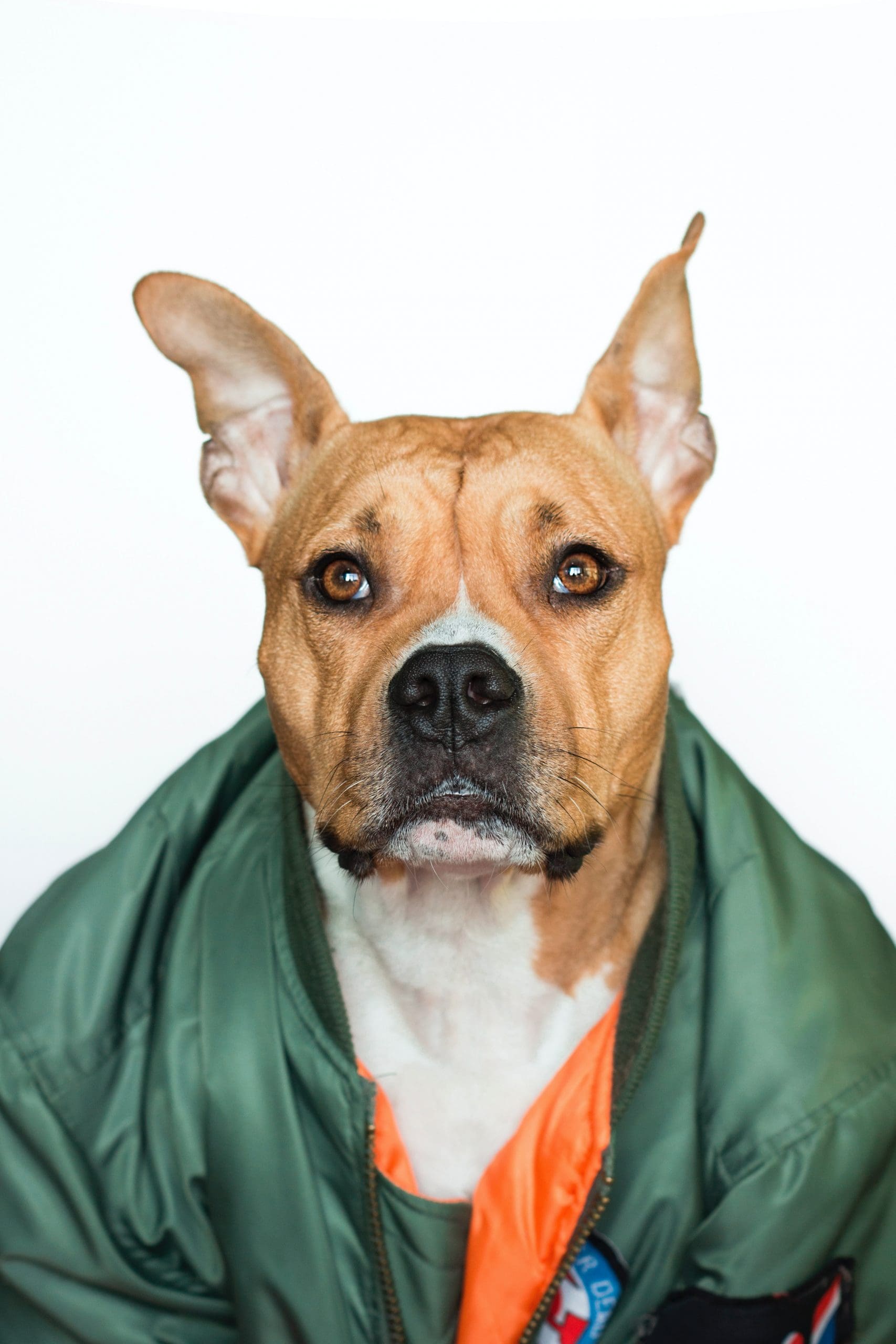
What is a gsd dog?
Post Date:
December 7, 2025
(Date Last Modified: February 5, 2026)
German Shepherds are one of the most recognizable and frequently discussed dog breeds—so much so that many people ask a single, simple question: what is a GSD? Below is a practical, experience-based guide for dog lovers that explains what a German Shepherd Dog is, why the breed appeals to many owners, how their biology and social signals work, when behaviors typically emerge, what health and behavioral warning signs to watch for, immediate steps after bringing one home, training and environment strategies, and the essential gear that helps keep them healthy and well‑behaved.
The Allure of the German Shepherd: Why Dog Lovers Choose GSDs
German Shepherds often attract people because they bridge the gap between a family companion and a working partner. They are commonly seen as family pets, police and military dogs, search-and-rescue units, and service or therapy animals; that diversity of roles speaks to an underlying versatility. The traits that support those roles—high problem-solving ability, strong attachment to handlers, and a readiness to follow guided tasks—are qualities many owners find deeply satisfying to live with.
Those traits come with predictable lifestyle matches. A GSD is likely to thrive with owners who can provide regular physical activity, structured mental challenges, and consistent leadership. I often recommend this breed to active families, people in professions that need a service or working dog, and owners willing to commit to training. They are less likely to be a good fit for a household that cannot provide exercise or mental enrichment, because under‑stimulated GSDs may redirect their energy into undesirable behaviors.
GSD in a Nutshell — What the Breed Is (and Isn’t)
- Full name and origin: The German Shepherd Dog (GSD) was developed in late 19th-century Germany as a herding and utility breed and has since been refined for a wide variety of working roles.
- Size and appearance: Adults commonly range from medium-large to large; males often stand about 24–26 inches and females 22–24 inches at the shoulder, with weight typically between roughly 50–90 pounds depending on build and bloodline. Coat types are most often medium-length double coats; there are also long-haired and shorter variants.
- Temperament and jobs: GSDs are typically described as alert, trainable, and loyal. They are frequently used for protection, guiding, detection, search and rescue, and as family companions because of their combination of drive and social attachment.
Inside GSD Biology and Communication: Anatomy, Senses, and Signals
The German Shepherd’s form and behavior reflect generations of selective breeding for working tasks. Their skeletal structure, muscle mass, and cardiovascular capacity are likely linked to the physical demands of herding and protection work. Lineage differences matter: some lines have been bred more for show appearance while others retain higher working drive; these breeding choices tend to influence temperament, stamina, and adult size.
Sensory strengths are a big part of how GSDs gather information about the world. Their sense of smell is strong compared with humans and is often used in detection work; hearing is acute and may make them alert to distant sounds; vision supports tracking and movement judgment more than fine detail discrimination. Because sensory perception can be intense for them, sudden sensory overload may look like spooking or fixating rather than simple disobedience.
They communicate largely by body language. Ears that prick forward, a steady eye contact, a raised tail, and a confident stance often indicate alert interest or readiness to act. A tucked tail, flattened ears, lip licking, or low posture typically signals fear or submission. I pay particular attention to posture and ear carriage when assessing whether a dog is curious, anxious, or preparing to defend.
Underlying instincts—herding, protection, and a strong work ethic—shape behavior. Herding instinct can appear as nipping at heels, circling, or trying to guide people or animals. Protective instinct may cause them to keep close to family members and assess strangers. These instincts can be redirected into appropriate activities through training and structured tasks.
From Puppy to Adult: When Key GSD Traits and Behaviors Emerge
Timing matters. Puppies go through critical socialization windows roughly between 3 and 14 weeks, when exposure to varied people, animals, surfaces, and sounds helps form tolerances and comfort with new experiences. I often see lifelong fear or reactivity traced back to inadequate exposure during this period. Adolescence, typically from about 6 months to 2 years, brings hormonal and cognitive changes that can temporarily increase testing behaviors, selective hearing, or independence.
Daily exercise, mental enrichment, and consistent routines strongly influence how those instincts are expressed. A GSD given long, varied walks, scent games, structured training sessions, and task-based play is likely to show steadier behavior than one whose outlet is limited to brief walks. Stressors such as abrupt household changes, lack of exercise, or inconsistent leadership may trigger hyperactivity, repetitive behaviors, or guarding responses.
Age- and health-related changes also modify behavior. Senior GSDs may slow down, become less tolerant of chaos, or show cognitive changes. Conditions such as joint pain or neurological disease can produce behavior shifts that may be mistaken for stubbornness or attitude when they are medical in origin.
GSD Health Alerts: Warning Signs and Medical Red Flags to Watch
Certain behaviors deserve prompt attention. Escalating fear responses that expand into multiple situations, sudden unprovoked aggression, or abrupt social withdrawal can indicate underlying pain, untreated medical issues, or escalating anxiety. Changes in sleep patterns, appetite, or elimination, or new vocalizations such as whining or increased barking, may suggest discomfort or illness.
German Shepherds are predisposed to some orthopedic and neurological problems that owners should monitor. Hip and elbow dysplasia are relatively common and are likely linked to genetic and developmental factors; degenerative myelopathy is a progressive spinal disease seen in the breed. Early signs can be subtle: a slight limp, difficulty rising, reluctance to climb stairs, or an awkward gait. I recommend watching mobility closely and seeking veterinary assessment for persisting or progressive signs.
If you notice limping, reluctance to bear weight, persistent lethargy, sudden appetite loss, vomiting, or rapid breathing, consult your veterinarian. For behavior patterns that might be fear- or aggression-based, a certified behavior professional can help rule out medical causes and design a stepwise behavior plan.
If Something’s Wrong: First Actions Every GSD Owner Should Take
After bringing a GSD home, prioritize health and structure. Schedule an initial veterinary visit for a full physical, fecal test, baseline blood work if advised, and an immunization plan. Discuss breed-specific screening such as hip and elbow evaluation and a discussion of growth nutrition—overfeeding large-breed puppies may increase orthopedic risk.
Establish a consistent daily routine for feeding, exercise, and sleep from day one. I find that predictable routines reduce anxiety and help puppies and adults learn household rules more quickly. Begin early socialization with controlled, positive experiences and enroll in a basic obedience class that uses reward-based methods. Keep clear records of vaccinations, parasite prevention, and any behavioral notes so you have a baseline for future veterinary or training consultations.
Shaping Behavior: Training Techniques and Home Management for GSDs
Positive reinforcement and consistency are the most reliable training principles. Reward desired behaviors immediately with treats, toys, or praise so the dog makes the connection. Short, frequent training sessions—five to fifteen minutes—work best, especially for puppies. I typically recommend starting with sit, recall, and loose-leash walking, then layering on impulse-control and task-oriented skills.
Design exercise and enrichment to match their physical and mental needs. A typical adult GSD benefits from at least 60–90 minutes of varied activity daily that combines aerobic exercise with cognitively demanding tasks: scent work, tracking, problem-solving toys, obedience with distractions, and structured play. Mental fatigue often produces calmer behavior more reliably than physical exhaustion alone.
Manage space to prevent unwanted incidents. Use a properly sized crate for training and downtime so your dog has a predictable safe space; employ gates or a secure yard for contained free time. Leash rules should be firm: practice controlled greetings and gradual introductions with new people and dogs. For reactivity or fear, approach socialization slowly and under professional guidance rather than forcing interactions.
Essential Gear for GSD Owners: Practical Tools and Recommendations
- Sturdy front-clip or no-pull harness and a strong, comfortable leash—front-clip harnesses can help during leash training without damaging the throat.
- Durable chew toys and enrichment puzzles—items that withstand heavy chewing and can be filled with food to slow feeding and provide mental work.
- An appropriately sized crate with supportive bedding—a crate that allows standing and turning, and bedding that cushions joints for large dogs.
- Grooming tools suitable for double coats (slicker brush, undercoat rake) and joint-support supplements only as advised by your veterinarian.
Sources and Further Reading
- American Kennel Club: “German Shepherd Dog” breed information and history — https://www.akc.org/dog-breeds/german-shepherd-dog/
- Verein für Deutsche Schäferhunde (SV): Breed standard and historical overview — https://www.schaeferhunde.de/
- Merck Veterinary Manual: “Canine Hip Dysplasia” — https://www.merckvetmanual.com/orthopedics/hip-dysplasia
- Orthopedic Foundation for Animals (OFA): Hip and elbow dysplasia resources and screening recommendations — https://www.ofa.org/
- AVMA (American Veterinary Medical Association): Resources on behavior, socialization, and responsible ownership — https://www.avma.org/resources-tools/pet-owners
- International Association of Animal Behavior Consultants (IAABC): Position statements and certified consultant directory — https://iaabc.org/
