
How to make a dog happy?
Post Date:
January 24, 2026
(Date Last Modified: February 5, 2026)
Making a dog happy is more than a nice-to-have for people who love dogs; it changes the day-to-day quality of life for both dog and owner. A happier dog is often less stressed, more engaged in training, and easier to live with—so the emotional payoff for the owner is real. Below I outline practical, evidence-informed steps you can take right away and what to watch for as you tailor care to your dog’s age, health and personality.
The real impact of a happy dog — benefits for both pet and owner
New owners routinely tell me they expected puppies to be “love machines” but are surprised by chewing, barking, or fearfulness. Those frustrations often come from a mismatch between expectations and what dogs actually need: predictable routine, mental challenge, and clear communication. Meeting those needs strengthens attachment. Dogs are social animals; positive, consistent interaction tends to produce calmer, more cooperative behavior, which makes living together more rewarding.
For dogs with medical issues or seniors, small quality-of-life changes make a disproportionate difference. A pain-free older dog who still has daily walks, mental stimulation, and predictable rest times often shows renewed interest in people and play. Addressing welfare concerns early—mobility support, dental care, or behavior modification—reduces chronic stress and prevents escalation into harder-to-manage problems.
The essentials — how to make your dog happy right now
If you want a short, practical checklist to put into action today, focus on a few consistent pillars that support physical and emotional wellbeing:
- Regular exercise and a predictable routine—daily walks or play sessions tailored to your dog’s energy level, at roughly the same times each day.
- Mental enrichment and play—short puzzle feeders, scent work, and interactive games to prevent boredom.
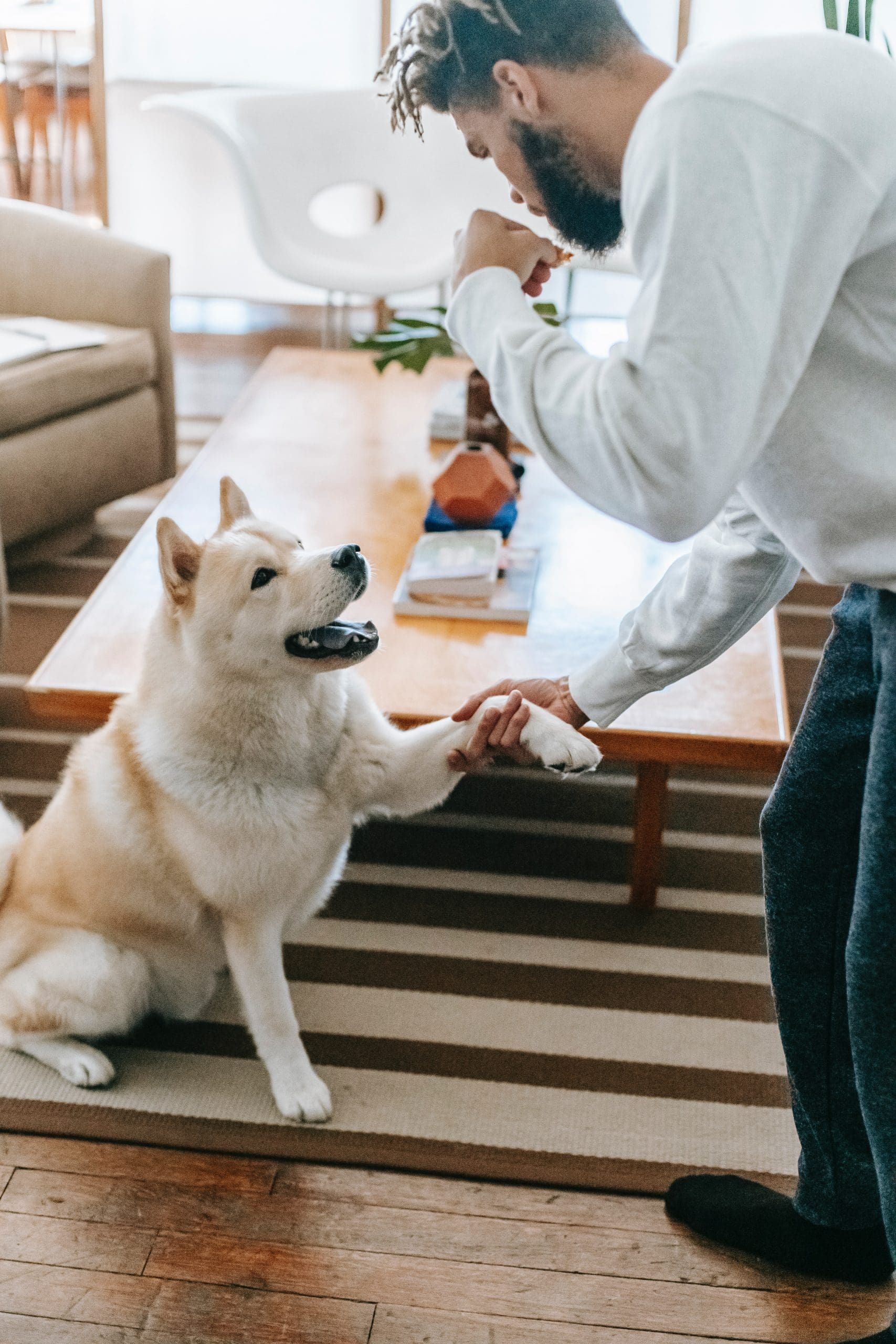
- Positive social interaction and training—brief, reward-based sessions that build skills and confidence rather than punishment.
- Consistent healthcare and pain prevention—regular vet checks, dental care, and attention to stiffness or limping.
What drives a dog’s happiness: instincts, bonding, and mental stimulation
Happiness in dogs arises from a mix of physiology and social context. Oxytocin release in both dogs and people is likely linked to bonding during petting and eye contact; this hormone may help reduce stress and foster trust. Reward systems that involve dopamine are engaged during play, food rewards, and successful challenges—those biochemical responses reinforce behaviors and make activities feel worthwhile to a dog.
Dogs also communicate their positive states through posture and vocal signals: a relaxed mouth, soft eyes, play bows, and loose tail wagging typically align with pleasant states. These signals are functional, not decorative—they help coordinate social interactions and signal safety to other dogs and to people. Evolutionarily, dogs that remained cooperative with humans and pack members likely had survival advantages; being attuned to positive social cues is part of that long history.
Spotting joy: body language and behaviors that show your dog is happy
You’re most likely to see clear signs of happiness after activities that meet a dog’s core needs: following a walk, during play with a familiar person or dog, or after a short, successful training session. Calm, contented dogs often settle into their beds after a routine that includes exercise and mental work, especially when meals follow predictable schedules. Trust and enjoyment also appear in safe, familiar settings—home, a favorite park, or with people the dog knows.
That pattern varies by age, breed and temperament. Young dogs may reach exuberant states more often but can be easily aroused; seniors may show quieter forms of pleasure—leaning into a hand, following you calmly—or may need modifications (shorter walks, softer surfaces) to reach comparable wellbeing. Health issues blunt happy responses; a dog in pain may appear withdrawn even when loved and cared for, which is why assessment and management of medical conditions are part of promoting happiness.
Red flags and risks — signs your dog needs attention
Unhappiness or underlying medical problems often show as changes rather than single behaviors. Sudden shifts—loss of appetite, increased aggression, excessive vocalization, or altered elimination in the house—are red flags. I typically see owners overlook gradual limping or subtle reluctance to jump; these may suggest pain and deserve veterinary evaluation.
Stress behaviors include constant panting when it’s not hot, repetitive chewing or licking, pacing, and destructive behavior. These can be signs of anxiety, boredom, or unmet needs. Urgent signs requiring prompt veterinary attention include persistent vomiting or diarrhea, collapse, high fever, sudden severe lethargy, or sharp yelping that suggests acute pain. When in doubt, consult your veterinarian quickly rather than waiting for a problem to worsen.
Daily habits that keep your dog healthy, calm, and content
Consistent daily structure is one of the most effective ways to keep a dog content. The following step-by-step plan fits most dogs but can be adapted to breed, age and health.
- Morning routine: Short walk or active play (10–30 minutes depending on your dog) to allow toileting and to expend first-morning energy. Offer a small breakfast if you feed twice daily, and a calm 10-minute post-meal rest in a quiet place.
- Midday enrichment: If you’re away, leave a safe puzzle feeder or a frozen treat to encourage slow eating and mental engagement. Arrange a midday break or dog walker for high-energy dogs when possible.
- Evening exercise and training: A longer walk or interactive play session, followed by a 5–10 minute reward-based training exercise that teaches or reinforces a useful skill. Short, frequent sessions beat long, sporadic ones.
- Grooming and healthcare: Integrate short grooming checks—brushing, ear checks, nail inspection—into weekly routines. Schedule regular vet checkups and address dental care proactively.
- Sleep and quiet time: Provide a comfortable, accessible resting spot that’s used consistently. Dogs thrive on predictable downtime as much as on activity.
Designing your home and training plan for a confident, well-adjusted dog
Create an environment that reduces stress and promotes autonomy. A designated resting area with a supportive bed in a low-traffic spot gives your dog an easy place to retreat. I recommend keeping water available and placing the bed where the dog can see family activity without being trampled. For multi-dog households, provide multiple beds to prevent tension over resources.
Rotate toys and puzzles every few days so novelty remains meaningful. Puzzle feeders slow consumption and add cognitive work; they may also reduce mealtime excitement and related problem behaviors. When introducing new enrichment, supervise initially to ensure safe use, especially with aggressive chewers.
Training should be consistent and reward-based. Use high-value treats, brief marker signals (a clicker or a verbal cue), and work in short sessions that end while the dog is still engaged. To manage triggers—fear of fireworks, specific noises, or strangers—use gradual desensitization with predictable, controlled exposure paired with positive experiences. If anxiety is severe, seek help from a certified behaviorist who can design a stepwise plan and advise if medication is appropriate.
Recommended safe gear: toys, harnesses, and enrichment tools that work
Good gear protects physical wellbeing and supports enrichment. A properly fitted harness and a sturdy, secure leash reduce neck strain and improve control during walks; head collars have a place for some dogs, but they require careful introduction. For dogs that pull strongly, front-clip harnesses can help without causing pain when used correctly.
Choose durable chew toys matched to your dog’s chewing strength—look for toys with clear safety ratings and avoid small parts that can be swallowed. Interactive puzzle feeders from reputable manufacturers encourage problem-solving and slow feeding. Comfortable beds with orthopedic support can ease pressure on joints for older dogs, and calming aids like pressure wraps, dog-safe pheromone diffusers, or white-noise machines may reduce situational anxiety for some dogs when used alongside behavior work.
For containment, use pet gates indoors to give dogs safe access to a family area without free movement when needed, and ensure outdoor fencing is secure and appropriate for your dog’s athleticism. Always supervise play with new toys and gear until you’re confident it’s safe for unsupervised use.
References and further reading
- American Veterinary Society of Animal Behavior (AVSAB), “Position Statement: Puppy Socialization and Prevention of Behavior Problems” (2015)
- Merck Veterinary Manual, “Pain Management in Dogs” and “Behavior Problems in Dogs” sections, Merck & Co., Inc.
- Overall, K. L., Manual of Clinical Behavioral Medicine for Dogs and Cats, Elsevier (2013)
- American Veterinary Medical Association (AVMA), “Dog Behavior and Training Resources” and “Guidelines for Recognizing and Managing Fearful Dogs”
- Journal of Veterinary Behavior: Clinical Applications and Research – selected peer-reviewed studies on canine welfare and enrichment strategies
