
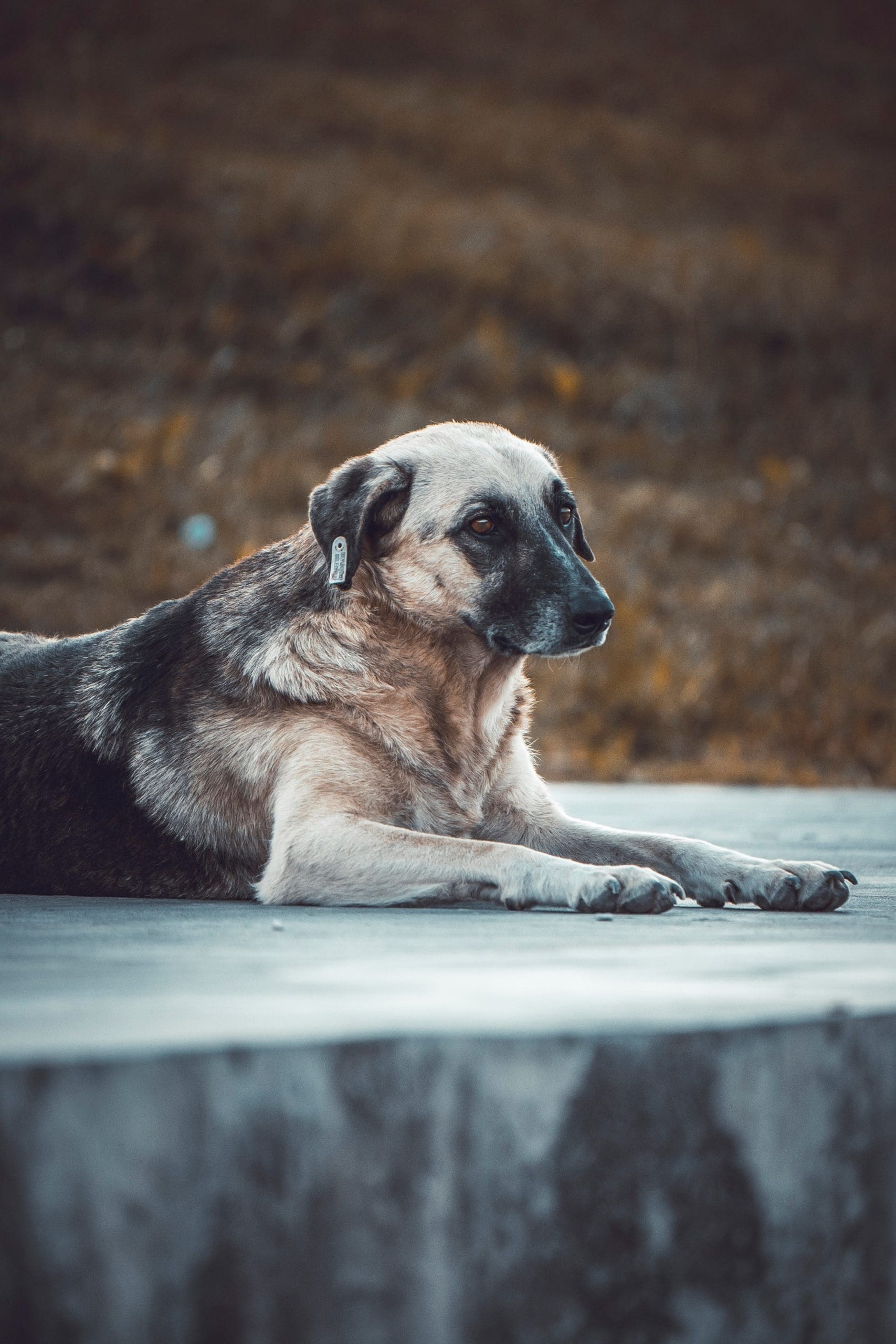
How to get skunk off dog?
Post Date:
December 3, 2025
(Date Last Modified: February 5, 2026)
When your dog returns from the yard smelling like a skunk, that shock goes beyond the nose. As a veterinarian and behaviorist who works with dog owners, I see the situation as a mix of immediate animal care, household logistics, and emotional stress. This guide focuses on practical, safe steps to remove the odor, protect your dog’s eyes and skin, and reduce the chance the problem spreads through the house or to other pets.
What Every Dog Owner Should Know About Skunk Encounters
Dogs get sprayed in a surprising number of everyday scenarios: investigating a den under a deck, chasing a skunk at dusk, startling one while nosing through compost, or getting too close while exploring a brushy patch on a walk. I typically see cases after sunset or when a curious dog corners wildlife in a yard with hiding places.
The consequences are more than unpleasant—skunk spray can be irritating to a dog’s eyes and skin, and the odor may linger in the home, on furniture, and on other pets. That can make the dog uncomfortable, limit visits with friends and family, and even interfere with boarding or grooming until the smell is gone. Owners commonly want three things: neutralize the odor quickly, avoid harming the dog’s eyes or skin, and stop the odor from spreading through the house.
Owner reactions often range from urgent problem-solving to worry about pet health. That urgency is useful if it leads to safe immediate steps; panicked responses—like rubbing the dog indoors or using unproven home remedies—can make the situation worse.
Immediate Relief — What to Do in the First 30 Minutes After a Spray
- Keep the dog outdoors or in a well-ventilated, easy-to-clean area and prevent them from entering the house until you’ve treated the odor.
- Avoid touching the dog’s face, eyes, and nose with bare hands; skunk oil can transfer to your skin and then to other surfaces.
- Rinse the dog’s eyes immediately with clean water or a pet-safe eye irrigator if you suspect spray around the face; call your veterinarian if there is marked redness, squinting, or discharge.
- Mix and use an oxidizer-based deodorizing solution or apply a commercial skunk-removal product designed for pets—these attack the sulfur compounds rather than simply masking them.
- Do not rely on tomato juice; it may block some odor temporarily but does not neutralize thiols and can add sticky residue that traps odor molecules. Also avoid hot water, which may open pores and let oils penetrate the coat and skin more deeply.
Understanding Why Skunks Spray: Triggers and Defensive Behavior
Skunk spraying is a defensive behavior that may occur when a skunk feels threatened, surprised, or cornered. The animal may aim its spray toward an approaching threat after warning signals such as stamping or tail-raising; a startled dog that chases or pins a skunk is a typical trigger.
The spray originates in scent glands located near the animal’s anus and is expelled in a concentrated stream by muscular control of those glands. The mix that reaches your dog is oily and contains thiols—sulfur-based molecules—that have a very low odor threshold. Those compounds produce the characteristic, long-lasting smell and are chemically different from typical soaps and detergents.
Thiols and related sulfur compounds are not simply surface odorants; they can bind to hair and skin and may polymerize or react with other molecules, which is why ordinary washing often fails. An oxidizing agent works better because it can chemically alter those sulfur compounds into forms that are less odorous and easier to rinse away.
High-Risk Situations: When Dogs Are Most Likely to Get Sprayed
Skunks are mostly nocturnal, so encounters often happen at dusk, after dark, or early morning. During certain seasons—such as breeding or when mothers are moving young—skunks may be more active or take up den sites in or near residential areas, which raises encounter risk.
Landscape features and habitat matter: overgrown brush, woodpiles, open compost bins, under-deck voids, and crawl spaces offer shelter where skunks may den, increasing the chance a curious dog will get close. Rural and semi-rural properties naturally see more skunk activity, but suburban yards with food sources or shelter can be just as attractive.
Dog behaviors that elevate risk include chasing, nosing under decks, digging, or trying to corner wildlife. Weather and human-related attractants also play a part—leaving pet food outdoors, unsecured garbage, or accessible compost can encourage skunks to hang around a yard, while rainy or cold weather may drive them closer to homes for shelter.
After the Spray: Warning Signs That Mean You Should Contact a Veterinarian
Most cases are about odor and mild irritation, but certain signs suggest the dog needs professional veterinary care. Persistent eye irritation—redness, swelling, notable sensitivity to light, or discharge—may suggest corneal damage and is a reason to contact your veterinarian right away. If a dog is coughing, breathing rapidly, having trouble breathing, vomiting repeatedly, or showing changes in coordination or behavior, those findings may suggest more systemic exposure or secondary complications and require urgent assessment.
Severe or spreading skin inflammation, raw areas, or a smell that worsens rather than improves after cleaning could indicate an infection or chemical injury. Also seek help if the dog refuses to eat or drink, is lethargic beyond what you’d expect from a stressful episode, or if the owner is uncertain about how much spray occurred around the face and mouth.
Owner Checklist: Contain, Decontaminate, and Comfort Your Pet
- Secure the dog outside or in an area you can clean easily. Keep other pets and children away until the dog is treated.
- Protect yourself: wear disposable gloves, use splash-proof eyewear, and avoid inhaling close-range fumes. Move slowly to avoid stressing the dog further.
- If the eyes or face are sprayed, flush the eyes with cool, clean water or a pet-specific eye irrigant for several minutes. If irritation continues, call your veterinarian; corneal problems may be subtle at first.
- Prepare an oxidizing deodorizing solution. A commonly recommended household recipe is mixing 1 quart (about 1 liter) of 3% hydrogen peroxide, 1/4 cup baking soda, and 1 teaspoon of liquid dish soap—use immediately and do not store the mixture. Alternatively, use a commercial skunk-removal product labeled for pets and follow the manufacturer’s directions.
- Apply the solution carefully: work from the head backward, keeping the solution away from the eyes, ears, and mouth. Massage into the coat for several minutes to allow the oxidizer to react with odor molecules, then rinse thoroughly with clean water. Repeat once if necessary; more than two applications of a homemade peroxide solution can irritate skin.
- Launder collars, leashes, bedding, and any clothing or towels that contacted the dog in hot water with a pet-safe enzymatic detergent. Dispose or isolate contaminated items you cannot clean effectively. Clean any indoor surfaces the dog contacted with an enzyme cleaner to break down residual oils.
- Observe the dog for 24–48 hours. Call your veterinarian if eye irritation persists, if the dog shows respiratory or neurological signs, if skin inflammation worsens, or if the odor is accompanied by behavioral or appetite changes. If in doubt about eye exposure or if using high-concentration chemicals, seek professional care immediately.
Preventing Future Encounters: Environmental Fixes and Practical Training Tips
Prevention reduces repeat incidents. Use a leash or fenced area during dusk and nighttime hours when skunk activity is higher. I often recommend strengthening recall and impulse-control cues so a dog is less likely to chase wildlife; consistent training can make a big difference when a skunk is present.
Remove attractants: secure trash lids, avoid leaving pet food outdoors, keep compost bins closed or inaccessible, and remove fallen fruit or bird seed that might draw skunks. Seal potential denning sites by blocking access under porches, decks, and sheds—tighten skirting and use hardware cloth to close gaps where animals can slip in.
Consider motion-activated lights or sprinklers and, where appropriate and legal, perimeter fencing to deter wildlife. For dogs that routinely explore at night, supervised outings or scheduled exercise earlier in the day are practical changes that lower risk. If a dog has a strong prey drive and repeatedly seeks wildlife, consult a professional trainer rather than relying solely on containment measures.
Cleanup Kit Essentials: Effective Products and Tools for Removing Skunk Odor
Assemble a simple kit and keep it handy in case of an incident: disposable nitrile gloves and splash-proof goggles protect you; old towels and plastic sheeting contain mess; large garbage bags help isolate contaminated items. A large wash basin or a hose with a gentle spray head makes rinsing easier outdoors. A pet-safe eye flush or an irrigation syringe is useful for face exposures, and having a commercial skunk odor remover and enzyme cleaner for fabrics reduces time and repeat effort.
Store cleaning products out of reach of pets and always follow label instructions. If you plan to use a homemade oxidizer mix, prepare it only when you need it and discard leftover mixture immediately; it can lose potency or become unsafe to store.
References and Further Reading
- American Veterinary Medical Association (AVMA): “Wildlife Encounters and Pet Safety” — guidance on wildlife exposures and when to seek veterinary care.
- ASPCA Animal Poison Control Center: “Skunk Spray and Pets” — practical advice on managing odor and potential toxic effects.
- Cornell University Cooperative Extension: “Skunks: Biology and Management on Small Farms and Home Properties” — habitat and prevention recommendations.
- Ohio State University Extension: “Skunks — Identification, Behavior and Control” — fact sheet on skunk activity patterns and property-proofing.
- Merck Veterinary Manual: “Chemical and Thermal Injury to the Eye” — reference for ocular first aid and when to contact a veterinarian.
