
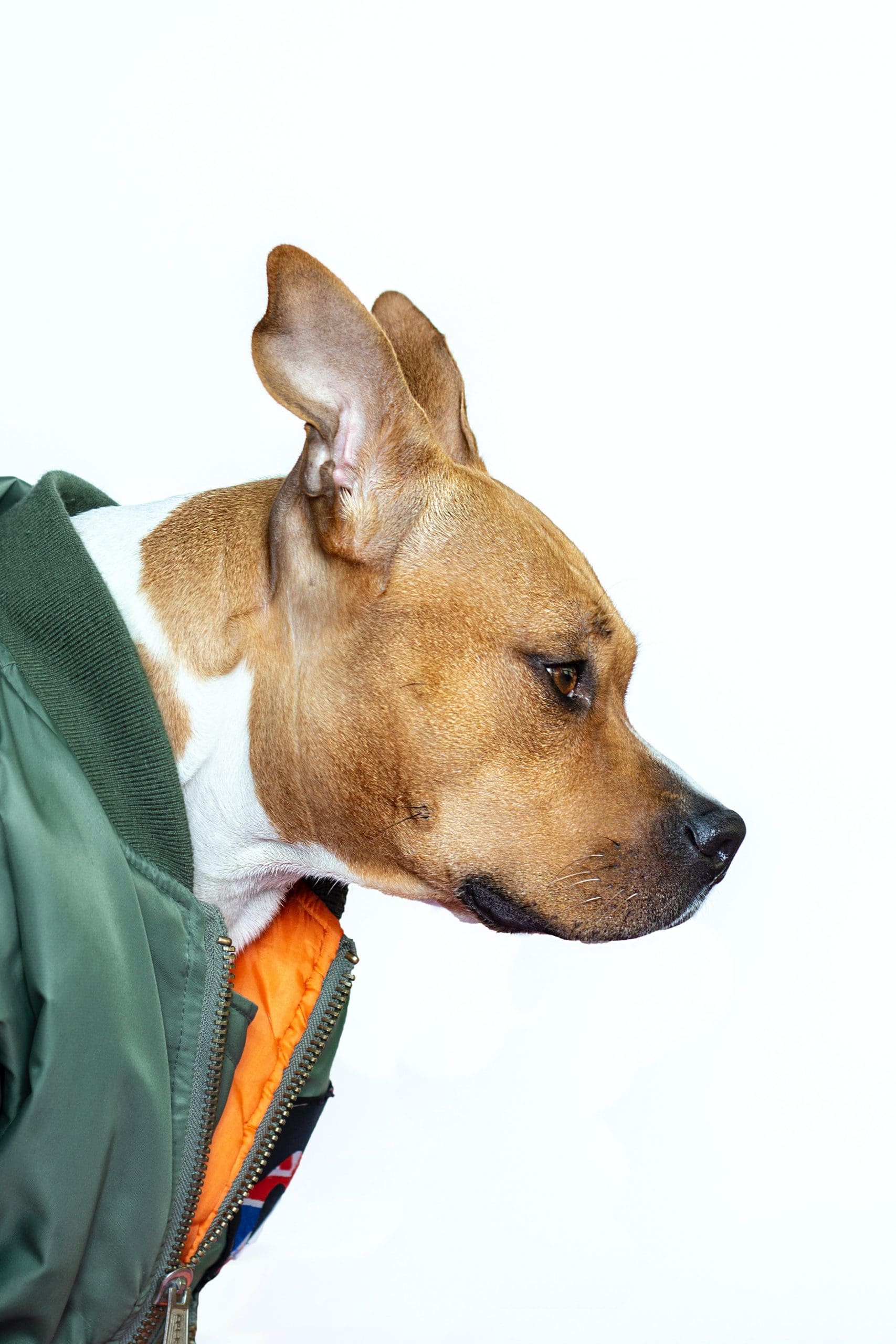
Why do dogs like to be pet?
Post Date:
December 24, 2025
(Date Last Modified: February 5, 2026)
If you love dogs, understanding why they enjoy being petted matters: it changes how you approach greeting, calming, and caring for them, and it can make ordinary moments—like a hello or a quiet evening on the couch—safer and more rewarding for both of you.
Why Petting Matters — For Dogs and the People Who Love Them
Petting is one of the most common ways owners show attention, and it shows up in many everyday situations. I typically see the biggest payoff when owners use touch deliberately—greeting a dog after work, calming a nervous animal at the vet or shelter, enhancing play, or providing comfort during therapy visits. When done well, petting strengthens the relationship: dogs often orient toward their people, seek more interaction, and appear more relaxed; owners feel reassured and connected.
Petting becomes a practical concern when the dog’s reaction is unclear—shelter staff handling unfamiliar dogs, vets trying to examine an anxious patient, or families teaching children how to touch a dog. Getting it wrong can increase stress, cause injury, or reduce trust. Paying attention to how and when you touch a dog helps prevent those problems and supports welfare.
Common ways people use petting include:
- Greeting and bonding: quick strokes or pats during reunions;
- Calming during stress: slow, rhythmic stroking to reduce tension at the vet or during storms;
- Play and reward: tactile praise as part of games or training;
- Therapeutic support: comfort and reassurance in clinical or assisted therapy settings.
In Brief: What Makes Petting Pleasurable for Dogs
Dogs generally like being petted because it combines social attention (a natural reward), pleasant sensory stimulation from touch receptors in the skin, and physiological calming that is likely linked to hormone changes such as increased oxytocin and lower stress hormones.
Inside a Dog’s Body: Touch, Hormones and Social Signals
On a biological level, pleasant touch engages specific sensory pathways that are distinct from pain or pressure. In humans, a class of unmyelinated nerve fibers often called C-tactile afferents respond preferentially to slow, gentle stroking; similar mechanisms are likely in other mammals and may suggest why a certain tempo of stroking feels good to dogs. These neural signals travel to brain areas involved in emotion and social bonding rather than purely to areas that register tactile intensity.
Touch also appears to trigger hormonal responses in both dogs and people. Studies that measured oxytocin—a hormone associated with social bonding—have shown rises in oxytocin in owners and dogs after positive interactions, which is likely linked to mutual bonding behaviors such as gazing and petting. At the same time, interactions that a dog perceives as soothing may reduce markers of stress (for example, lowered cortisol or slowed heart rate), reflecting greater parasympathetic (rest-and-digest) activity. These effects are not guaranteed in every case, but they help explain the calming quality of gentle, familiar touch.
Domestication has probably played a role as well. Dogs that tolerated and sought contact from humans had advantages in human environments; over generations, selection for social tolerance and responsiveness may have reinforced the pleasure dogs get from human attention. Individual variation remains large, though—what one dog finds comforting another may find intrusive.
When a Dog Invites Contact — and When to Give Space
Context matters. Dogs are most receptive to petting when they are relaxed—after exercise, during quiet rest, or when they actively solicit attention. Solicitation behaviors include nudging your hand, leaning in, pawing gently, or maintaining relaxed eye contact. I often see dogs that want contact by lying down nearby and offering a soft gaze or a relaxed body.
Individual factors strongly influence preference. Puppies and social breeds often tolerate and enjoy more handling, while older dogs, breeds with different temperaments, or animals with limited socialization may prefer less touch. Prior experience is also important: dogs that were handled positively as pups tend to show higher touch tolerance.
Location and pressure make a difference. Many dogs prefer firm, steady strokes along the chest, shoulders, and base of the neck; others like a light scratch at the base of the tail or behind the ears. Some dogs dislike direct, sustained petting on the top of the head or sudden pats. Health and time of day matter too—an arthritic dog that enjoyed petting in the morning may avoid touch later as stiffness increases.
Red Flags: Behavioral and Medical Signs to Watch
Reading early warning signals prevents escalation. A dog showing “whale eye” (the whites of the eyes visible), body stiffening, pinned ears, a tightened muzzle, a lip lift, or a low growl is communicating discomfort and may bite if touched further. Slow or subtle signs—moving the head away, slight flinching, or tensing up—are often overlooked but should be respected.
Sudden avoidance or flinching during formerly pleasant petting can indicate pain. Yelping when a spot is touched, reluctance to be picked up, or an otherwise affectionate dog suddenly withdrawing are reasons to consider medical causes such as arthritis, dental pain, ear infections, or skin conditions. Neurological issues can also change how a dog tolerates touch.
When you notice persistent changes in touch tolerance, a veterinary exam is warranted. If the behavior is clearly fear- or aggression-based rather than medically driven, consult a qualified behaviorist. Early assessment avoids misinterpretation and can address pain, illness, or learned fear before problems worsen.
How to Pet Safely: Gentle Techniques Every Owner Should Know
Approach calmly and give the dog a chance to consent. Hold your hand low and let the dog approach or sniff—reaching over a dog’s head can feel threatening to some. Watch for relaxed body language, a soft gaze, and a wag that’s loose rather than a rapid, tense wag that may indicate arousal.
Start with areas most dogs accept: the chest, base of neck, and shoulders. Use slow, long strokes following the direction of the coat. For many dogs a firmer, consistent pressure is more comforting than light, ticklish movements—unless that particular dog prefers gentle scratches. If you’re unsure, try an open-palm gentle stroke along the chest and observe the response.
Keep sessions short at first—30 seconds to a couple of minutes—especially with unfamiliar dogs. Offer a treat or a calm verbal cue while petting to reinforce positive association. When you stop, withdraw your hand slowly and avoid sudden movements. If the dog shows “no” signals—turning the head, moving away, lip licking—stop and allow space. Teaching a clear cue such as “enough” or “all done” paired with a calm withdrawal helps the dog learn limits on both sides.
Make Petting Positive: Training and Environment Strategies
Teach touch tolerance with simple, controlled exercises. Have the dog in a calm state and pair brief, gentle handling with high-value treats: touch for a second, treat; touch a little longer, treat. Gradually increase duration and variety of touches as the dog stays relaxed. I commonly use desensitization and counterconditioning for sensitive areas—expose the dog in small steps and pair each step with something the dog values.
Make calm petting a regular part of the day so it becomes predictable. A short post-walk petting routine on a mat or bed signals rest time and reinforces relaxation. For households with children or visitors, set basic rules: children should sit, allow the dog to approach first, and pet only accepted areas. Demonstrate proper technique and supervise interactions.
In multi-dog homes, manage who gets attention and when so resource guarding or jealousy doesn’t develop. Use structured one-on-one time for each dog and teach polite greetings around people and other dogs by rewarding calm behavior rather than competing for touch.
Helpful Gear for Safer, More Comfortable Petting
Certain items make petting sessions easier and safer. Soft, wide grooming brushes can mimic stroking while removing loose hair; many dogs enjoy the sensory similarity. Calm wraps or thundershirts may help anxious dogs settle enough to accept touch during stressful events. A well-fitting harness provides control when introducing a dog to strangers or during vet visits without applying pressure to the neck.
Comfort aids like a low-profile mat or bed placed in a quiet area encourage relaxed posture for petting sessions. For dogs with skin issues, use soothing topical products recommended by your veterinarian and avoid direct stroking over painful or inflamed areas until healed. Clean hands and short nails protect the dog’s skin and reduce accidental scratches during close contact.
References and Further Reading
- Nagasawa, M., Mitsui, S., En, S., et al. (2015). “Oxytocin-gaze positive loop and the coevolution of human–dog bonds.” Proceedings of the National Academy of Sciences (PNAS), 112(50): 201520964. DOI:10.1073/pnas.1508590112.
- Löken, L. S., Wessberg, J., Morrison, I., McGlone, F. (2009). “Coding of pleasant touch by unmyelinated afferents in humans.” Nature Neuroscience, 12(5): 547–548. DOI:10.1038/nn.2312.
- Handlin, L., Hydbring-Sandberg, E., Nilsson, A., et al. (2011). “Short-term interaction between dogs and their owners: effects on oxytocin, cortisol, and behavior.” Frontiers in Psychology (Behavioral Neuroscience). [Article details for clinical context and hormonal observations].
- Merck Veterinary Manual. Section on Pain Management and Musculoskeletal Disorders in Dogs. (Merck & Co.) — practical veterinary guidance on conditions that affect touch tolerance.
- American Veterinary Society of Animal Behavior (AVSAB). Position statements and guidelines on canine handling and fear-free practices. Useful for training and behavior consultation references.
- John Bradshaw. “Dog Sense: How the New Science of Dog Behavior Can Make You A Better Friend to Your Pet.” (Book) — accessible synthesis of dog behavior and human-dog interaction research.
