
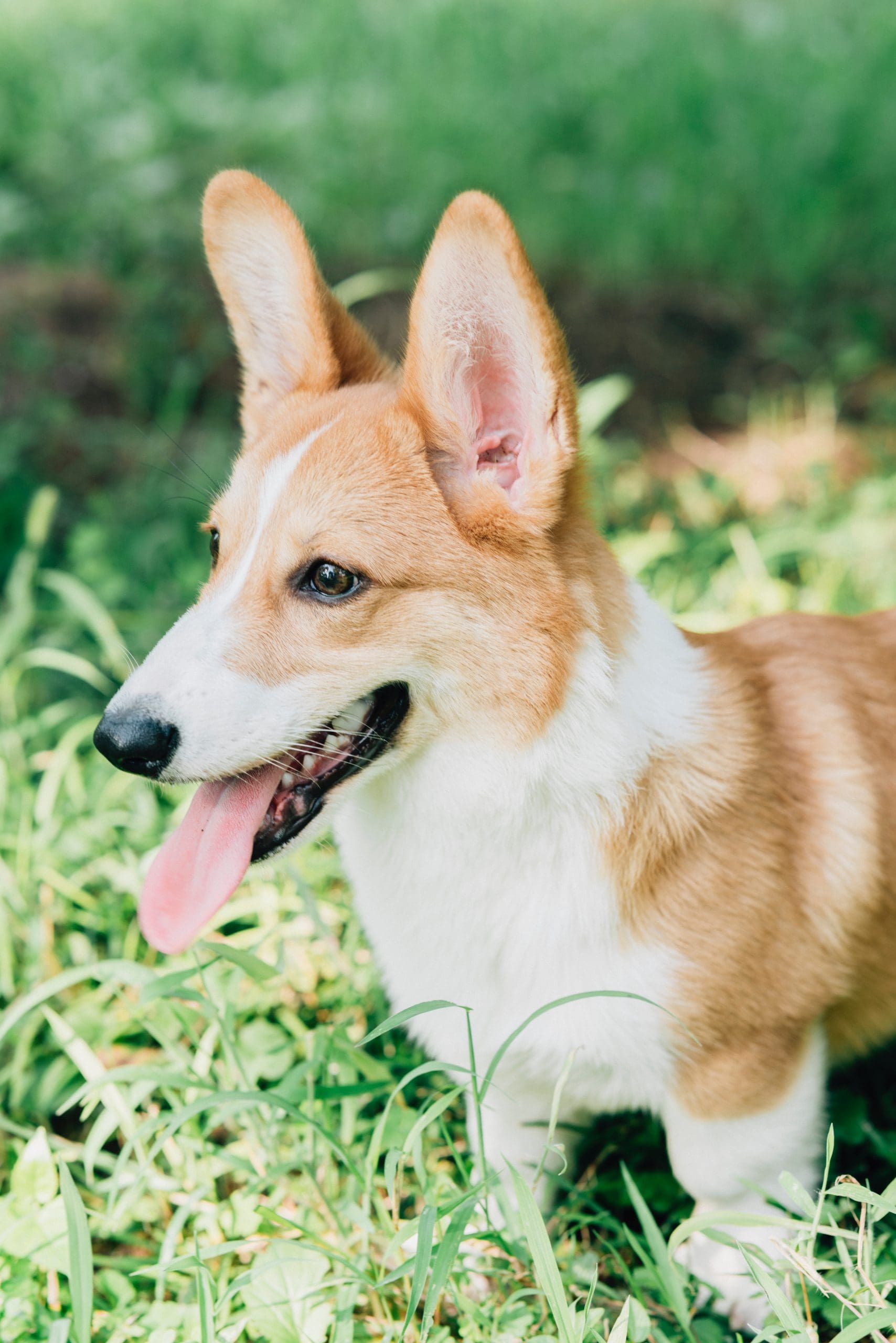
How to train dog to use pee pad?
Post Date:
December 1, 2025
(Date Last Modified: February 5, 2026)
Pee-pad training is a practical option for many dog lovers, and it can be done humanely and reliably when approached with a clear plan. Below I explain why pads are useful, how dogs learn to use them, exactly how to teach the behavior day by day, what to watch for medically or behaviorally, and what gear and sanitation practices make the process cleaner for both you and your dog.
Pee pads: practical benefits for busy dog owners
Pee pads are not a shortcut; they are a tool that fits particular living situations and dog needs. I typically recommend them for people with puppies who cannot yet hold a full bladder, seniors with reduced mobility, owners in high-rise apartments with limited outdoor access, or families managing a temporary medical or weather-related barrier to outdoor trips. Pads can reduce stress for dogs who are anxious about going outside or who may be physically unable to get outdoors quickly.
For owners, pads offer convenience by reducing the number of immediate outdoor trips and giving a predictable place for elimination. For dogs, a designated surface can reduce confusion and eliminate punishment-driven anxiety about accidents. Pads are preferable to outdoor-only training when access to appropriate outdoor space is inconsistent, when the dog’s physical condition makes timely outdoor trips unsafe, or when you need a temporary solution during a transition (moving house, schedule changes, recovery from surgery).
Getting started — core steps to teach your dog to use a pad
- Choose the right pad, place it where the dog naturally prefers, introduce a simple cue (like “go potty”), and reward immediately when the dog uses the pad.
- Expect initial trial-and-error: puppies may improve over days to weeks; older dogs may take longer if they have established habits. Aim for consistent small gains rather than instant perfection.
- Seek professional help from a certified trainer or a veterinary behaviorist if accidents persist despite consistent, clear training, or if there are medical signs (straining, blood, sudden frequency changes).
Understanding your dog’s potty instincts
At a basic level, dogs learn elimination behavior because bladder and bowel cues plus reinforcement make the location predictable. Bladder control develops gradually; puppies may only be able to hold urine for a few hours and will improve with age, while older dogs may have decreased control due to illness or medication. This biological rhythm sets the timetable for how often you should offer the pad.
Dogs also rely heavily on scent. A surface with urine scent communicates “this is an acceptable place,” which is why a freshly used pad often attracts repeat use. That same scent-based system means that pads work best when they are consistently in the same place; changing location frequently can slow learning.
Learning by association is straightforward: when a dog eliminates on the pad and receives positive reinforcement (a calm praise, a small treat, or being taken back to the comfort of the home without scolding), the dog links the pad with the desired outcome. Conversely, punishment after an accident typically creates anxiety and can make housetraining take longer.
When pee pads are the right solution — puppies, seniors, and special circumstances
There are predictable times when dogs are likeliest to need a pad. Routine triggers include right after waking, within 10–30 minutes of a meal or drink, immediately after intense play, and before long periods left alone. I advise scheduling pad visits around those times until the dog shows reliable signals.
Stressors and excitement can also lead to elimination. A nervous or excited dog may urinate in places that are otherwise off-limits; when you know a particular event (guests arriving, a car ride, thunderstorms) provokes this, offer the pad before the event. Weather and outdoor access are practical limits: heavy rain, ice, or no access to a safe outdoor area often make pads a safer, less stressful option for both parties.
Age and health affect timing. Very young puppies have small bladder capacity, while seniors may have weaker sphincter control or conditions that increase frequency. If your dog has a medical condition that changes elimination (diabetes, urinary tract infection, kidney disease), pads may be an interim or long-term solution while you manage care with your veterinarian.
Safety first — health warning signs to watch for
Some changes in elimination pattern may suggest medical problems rather than training issues. A sudden increase in frequency or urgency that is new for the dog may suggest infection, metabolic disease, or pain and should prompt veterinary evaluation. Blood in the urine, repeated attempts to urinate with little output, straining, vocalizing during elimination, or apparent pain are signs that the dog needs immediate veterinary attention.
If a dog who had been reliably using a pad suddenly regresses, consider stress, environmental change, or a medical cause. Inability to learn after consistent, positive training could be related to cognitive decline in older dogs or an untreated medical condition. When veterinarians or behaviorists are involved early, they can rule out medical causes and help design a targeted behavior plan that may include medication alongside training.
A daily training routine to build reliable pad habits
Successful pad training is predictable and repetitive. Start by establishing a schedule: take the puppy or dog to the pad first thing in the morning, after naps, after meals, after play sessions, and right before bedtime. For puppies, plan visits every 1–2 hours initially and increase intervals with success.
Introduce the pad in a low-traffic, accessible spot that the dog already explores. Sit quietly with the dog near the pad and use a short, clear cue each time you expect elimination—something like “go potty” said calmly and consistently. If the dog sniffs and then eliminates, immediately mark the behavior with enthusiastic but calm praise and a small food reward within one to two seconds; the timing is what forms the association.
Supervision is essential. When you cannot watch the dog, use a crate or gated area that prevents access to the rest of the house but still allows the pad to be within reach. Most dogs avoid soiling their sleeping area, so a crate sized properly will help teach bladder control. If accidents happen off-pad, avoid scolding. Clean the area thoroughly with an enzymatic cleaner to remove odor traces that may attract repeat elimination there.
Troubleshooting persistent accidents often comes down to either timing, access, or reinforcement. If accidents occur because the dog is not given enough pad opportunities, add short, frequent visits. If the dog avoids the pad, check the surface—some dogs dislike plastic liners or noisy pads—and try a different pad type or a pee-pad holder with a textured mat. If the dog marks and pees in multiple spots, you may need to confine the dog more tightly while you rebuild consistent successful eliminations on the pad.
Gradual transition off pads (if that is your goal) should mirror the introduction: slowly move the pad closer to the exit and then outside over the course of days to weeks, offering praise only when the dog completes elimination in the desired new location. Expect setbacks; make adjustments slowly and avoid abrupt changes in routine.
Set up for success: placement, cleanliness, and schedule
Placement matters. Place the pad where the dog already spends time but not too close to where they sleep or eat. If you are using multiple pads, keep them in predictable, limited locations rather than scattering them; too many options can slow learning. I usually recommend starting with one pad and adding a second only if the dog reliably uses the first but needs more coverage due to size or frequency.
Use gates and crates to control the dog’s movement during learning. Crate time should be short and humane; long periods without bathroom breaks will produce accidents and stall training. When you are home, supervise closely and offer frequent pad visits. When you must leave the dog for longer stretches, provide a confined area with one pad positioned where the dog can find it easily.
Consistency is the single most important routine element. Use the same cue, the same pad placement, and the same immediate rewards. Plan a fade-out: once the dog is reliably using the pad, reduce treats and change to enthusiastic verbal praise, then slowly reduce the frequency of reinforcement so the behavior becomes self-sustaining.
Hygiene is practical and necessary. Replace pads before they become overly soiled to reduce the spread of bacteria and odor. Use enzymatic cleaners on any accidents to remove scent cues that can draw repeat elimination. If you use a tray, empty liquids, and disinfect the tray regularly; air circulation helps reduce odor buildup in small spaces. Dispose of soiled pads in a sealed bag and wash hands after handling.
Essential, safe gear to support pad training
Choose pads rated for your dog’s size and urine volume: higher absorbency pads suit larger dogs or longer intervals. Look for pads with leak guards and an absorbent core designed to lock liquid away. I often recommend a pad holder or tray for small to medium dogs; these keep the pad flat, reduce shredded pad edges, and create a defined target area.
Non-slip mats placed under trays help prevent shifting and make it easier for nervous dogs to approach. Enzymatic cleaners are essential for eliminating urine odor and discouraging repeat accidents in the same spot. Disposable liners for trays make cleanup faster, and washable, waterproof mats can protect floors under multiple pad setups.
Treat dispensers and a simple clicker can speed learning by allowing precise, immediate reinforcement at the moment of success. If you prefer toys over food, use a quiet, high-value reward that the dog finds motivating. Avoid products that mask odor with strong fragrances; these can be aversive to dogs and may interfere with the scent cues that guide them to the pad.
Troubleshooting: what to do when progress stalls
If training stalls, revisit basics: timing of pad visits, consistency of reward, and pad placement. Keep a brief log of elimination times and accidents for several days to detect patterns; this often reveals missed windows or predictable triggers. If patterns point to medical issues (frequent small amounts, straining, blood, sudden changes) arrange a veterinary exam to rule out infection, stones, or other conditions.
When behavior problems persist—frequent marking, avoidance, or anxiety-linked elimination—consult a certified force-free trainer or a veterinary behaviorist. I find interdisciplinary plans that combine behavior modification, environmental management, and, where appropriate, short-term medication can resolve chronic problems that simple repetition does not fix.
References and further resources
- American Veterinary Medical Association (AVMA): “House-training Puppies and Adult Dogs” guidance document
- ASPCA: “House-training a Puppy or an Adult Dog” resource page and step-by-step tips
- Merck Veterinary Manual: “Urinary Incontinence and House-soiling in Dogs” entry
- American College of Veterinary Behaviorists (ACVB): “Housetraining and House-soiling Resources” information for owners
- American Veterinary Society of Animal Behavior (AVSAB): position statement and practical recommendations on elimination behavior
